Tech


Neuralink Secures FDA Clearance to Launch Advanced Brain Chip Clinical Trial
Neuralink has secured FDA clearance for an advanced clinical trial of its brain-computer interface targeting severe paralysis from ALS, marking a key step toward commercial medical use.
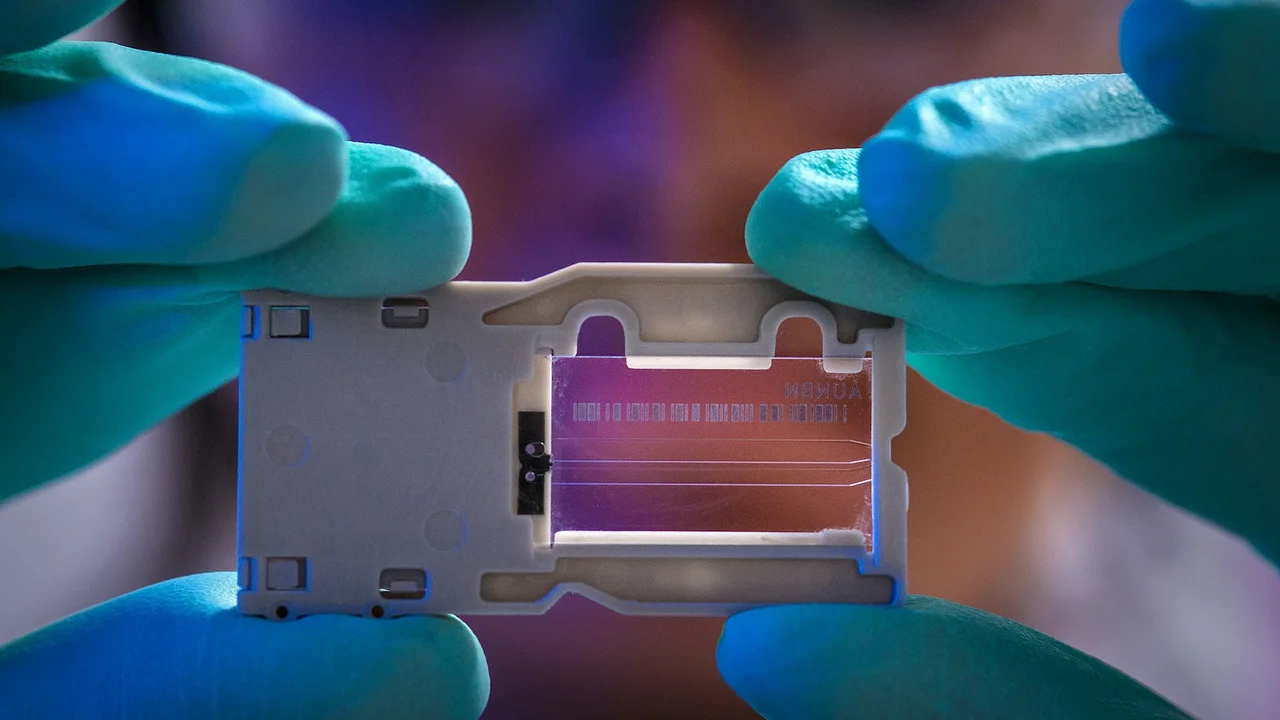
University of Utah Researchers Discover Protein Switch to Rejuvenate Spine Discs
University of Utah researchers have discovered that the BLST protein, regulated via CRISPR gene editing, protects spinal discs from aging and DNA damage, offering hope for back pain treatments.

Experimental CRISPR Therapy for Chronic Hepatitis B Enters Human Clinical Trials
Researchers have developed an experimental CRISPR-based gene silencing therapy, CRMA-1001, to target chronic hepatitis B by methylating viral DNA. Following successful preclinical trials in mice, the treatment has advanced to phase 1/2 human clinical trials.
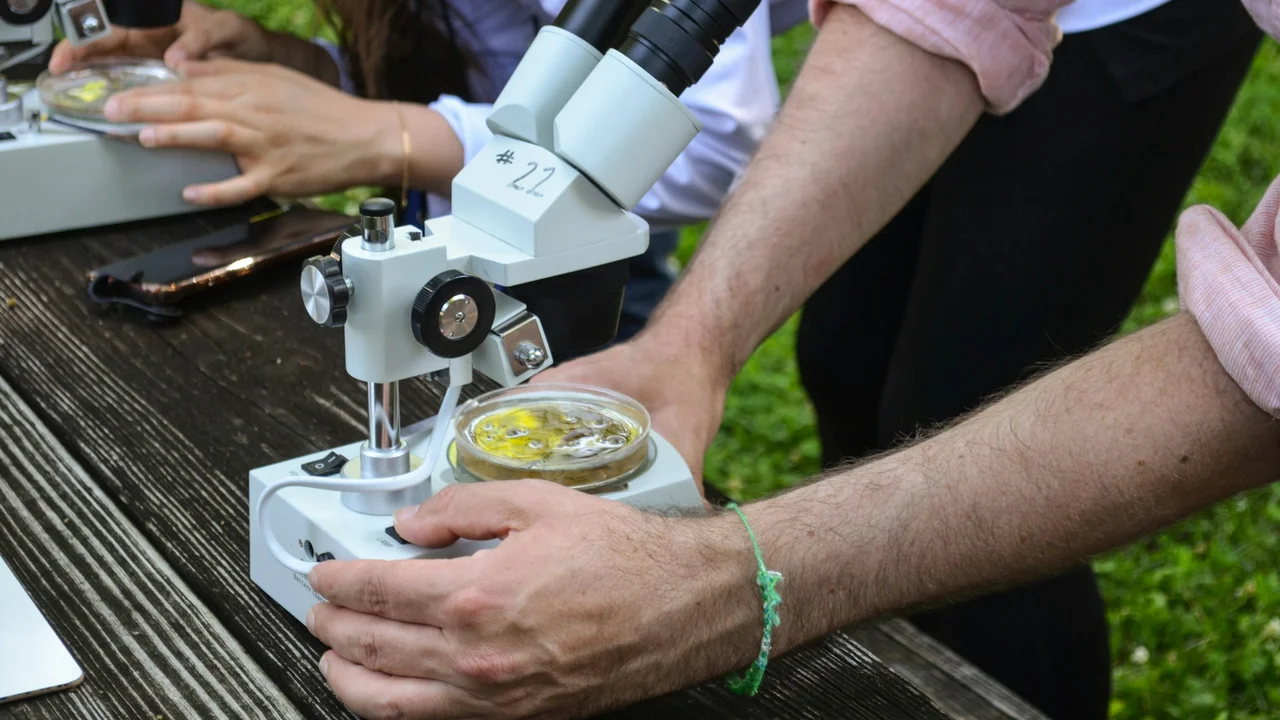
Scientists Uncover How Rice-Sized Wasp Brains Enable Human-Like Facial Recognition
Researchers discovered that rice grain-sized wasp brains use parallel neurons for facial recognition, mirroring complex human social processing despite independent evolution.
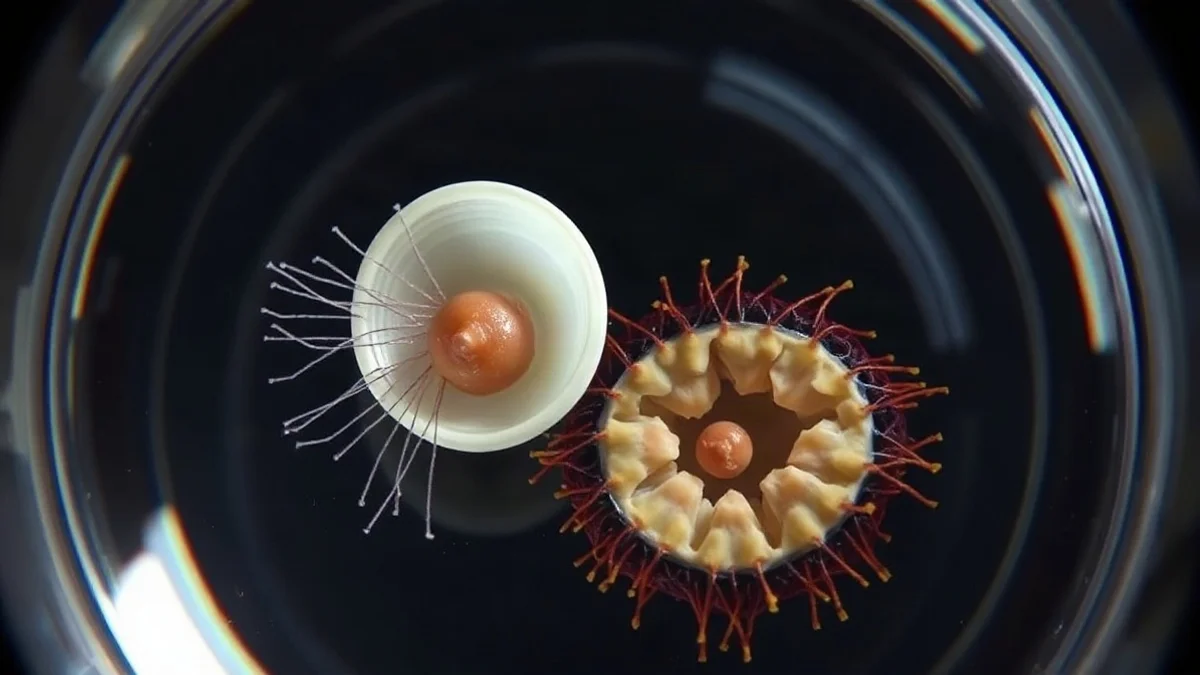
New Deep Sea Clam Species Discovered Living Inside Sea Urchin Throats
Scientists discovered a new clam species living inside a sea urchin's throat at depths of 4,000 meters in the Great Australian Bight, marking a rare internal symbiosis.
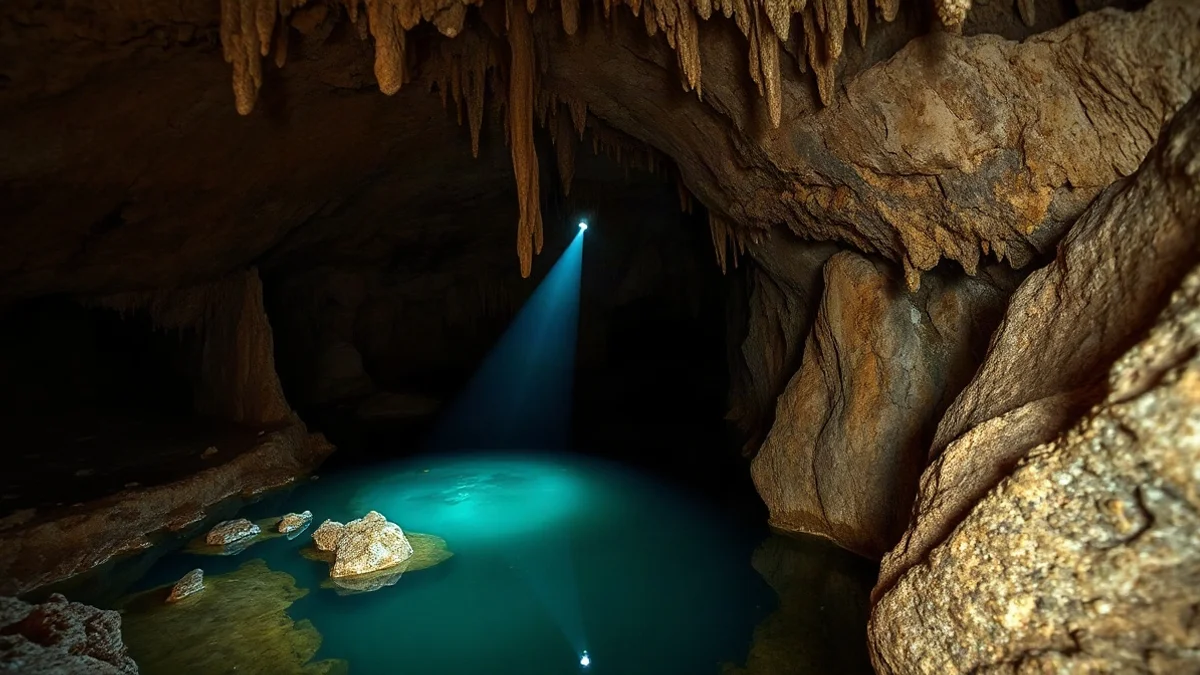
Mallorca Workers Uncover Prehistoric Cave with Extinct Mammal Remains
Construction workers in Mallorca discovered a sealed 124-meter cave system containing the remains of an extinct Myotragus balearicus mammal, human bones, and ancient artifacts dating back to the Bronze Age.

Submarine Volcano Eruption Unlocks Satellite Method to Measure Methane Breakdown
The 2022 Hunga Tonga-Hunga Ha'apai volcanic eruption provided scientists with a novel satellite-based method to measure rapid atmospheric methane breakdown over oceans by tracking formaldehyde byproducts.
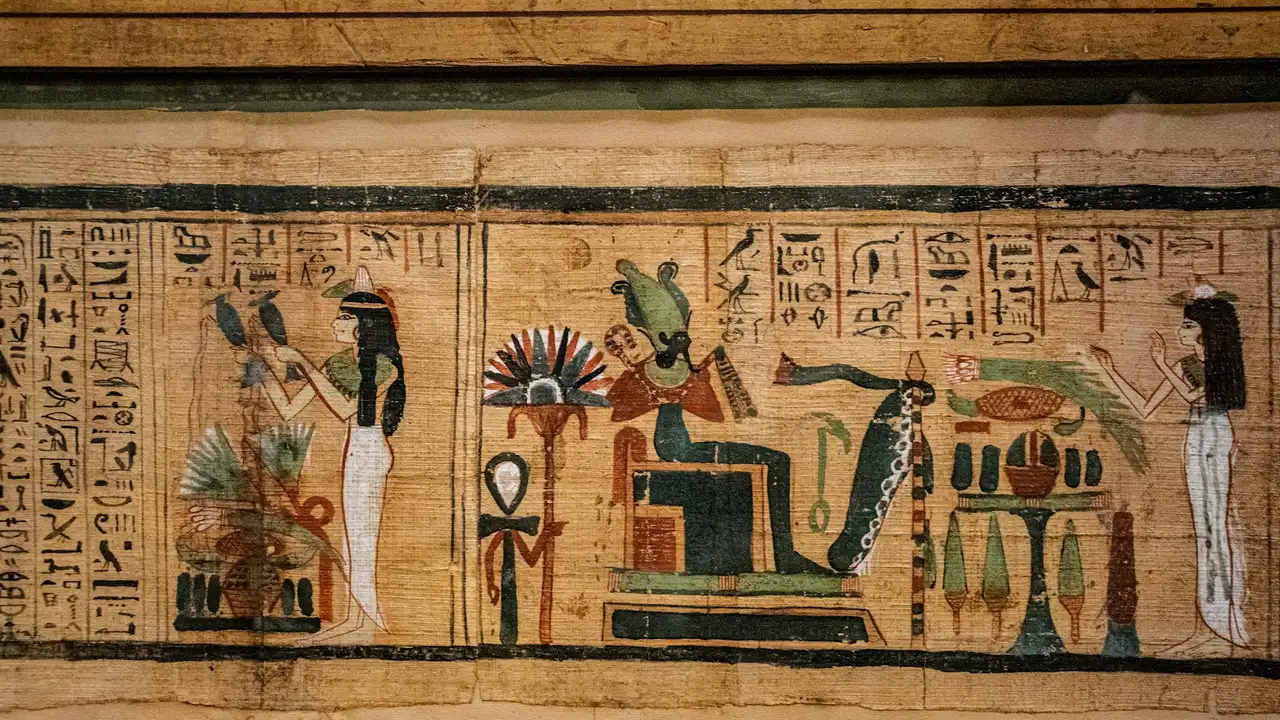
Ancient Apophis Curse Ritual Papyri Uncovered in Thebes Reveal New Roots
The discovery of 40 charred papyrus fragments in Thebes reveals that the ancient Egyptian Apophis curse ritual was widespread and practiced 1,000 years earlier than previously known, offering unprecedented physical evidence of daily temple magic.

New Astrophysical Simulations Strengthen Theory of Hidden Planet Beyond Neptune
New simulations suggest a hidden planet 1.5 to two times Earth's mass orbits beyond Neptune, potentially explaining the peculiar trajectories of distant frozen bodies.

Researchers Discover Deepest Explosive Underwater Volcanic Eruptions in Mariana Trench
Researchers discover the deepest explosive underwater volcanic eruptions ever recorded near Challenger Deep in the Mariana Trench, revealing unique geological activity 11 kilometers below sea level.

Massive 2,000-Year-Old Xiongnu Elite Tomb Uncovered in Mongolia
Archaeologists in Mongolia uncovered a massive 2,000-year-old elite Xiongnu tomb featuring nine stepped levels and 413 burial offerings, reflecting wide Eurasian trade.

Study Reveals Near-Death Experiences Leave Vivid Memories Decades Later
Researchers explore why near-death experiences remain remarkably vivid in human memory for decades, comparing detail density, stability over time, and recent brain scan findings.

Israel Quantum Industry Drives Economic Growth and Tech Alliance with USA
Israel's burgeoning quantum technology sector can drive economic growth and reinforce its strategic alliance with the USA by adopting the proven R&D model of the local semiconductor industry.
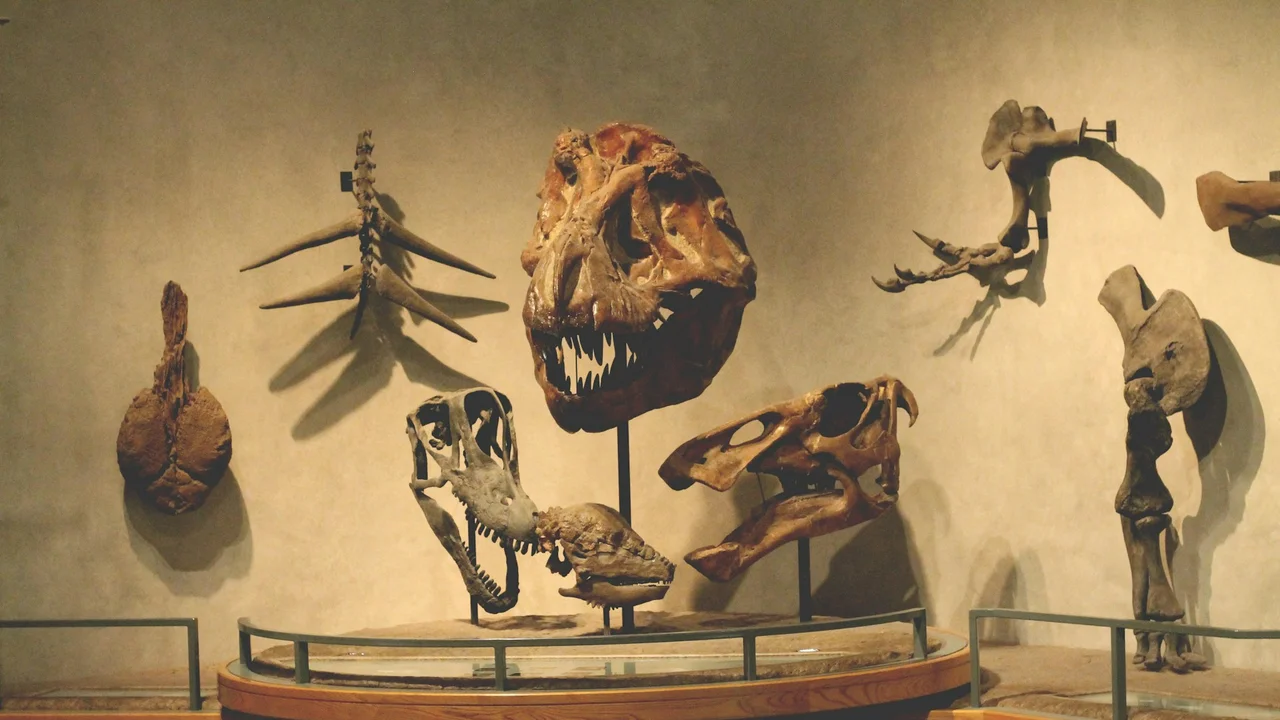
Ancient Vampire Camel Species Discovered in Century-Old Museum Fossils
Paleontologists discovered a new ancient North American camel species named Vampyrocamelus welshi, featuring sharp four-centimeter fangs despite being a herbivore.
University of Toronto Study Shows Implicit Memory Persists in Aging Brains
A University of Toronto study reveals that implicit associative memory remains intact in older adults. While conscious recall declines with age, the brain continues to learn and process subconscious connections.
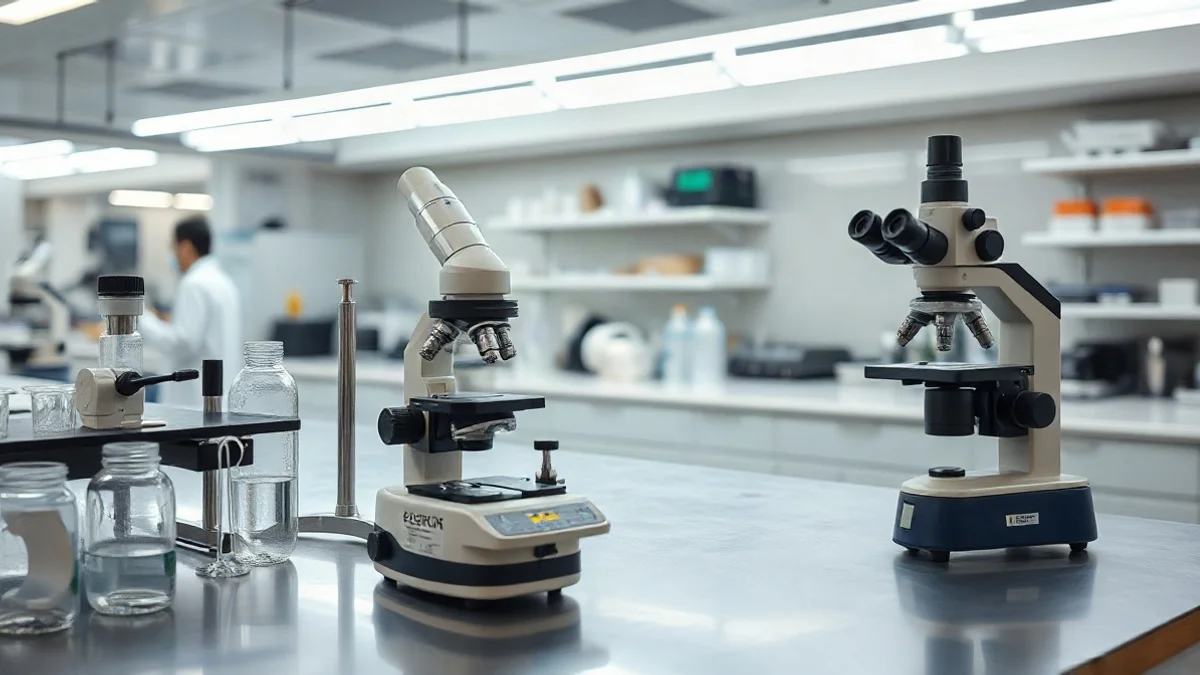
New Blood Sugar Powered Implant Offers Innovative Diabetes Treatment Option
Researchers have developed NeuroAxis, an implantable device that uses excess blood sugar as fuel to deliver targeted electrical therapy to the vagus nerve, successfully treating diabetes in rats.

Ancient Saudi Lake Bed Yields Stone Tools and Prehistoric Megafauna Fossils
Prehistoric discoveries beneath Saudi Arabia's sands reveal a 125,000-year-old ancient lake ecosystem complete with hippos, stone tools, and toxic plant hunting technologies.

Regeneron Study Combines Cancer Drug and Antibody to Train Immune Memory
A study by Regeneron researchers published in Nature Communications shows that combining an existing cancer drug with an experimental antibody eliminates tumors in mice and trains the immune system to prevent recurrence.

Study Links Children's Screen Time to Stronger Cognitive Skills in Teens
A new Finnish study tracking 260 children over eight years finds that more screen time correlated with better cognitive abilities in teens, emphasizing content quality over hours.
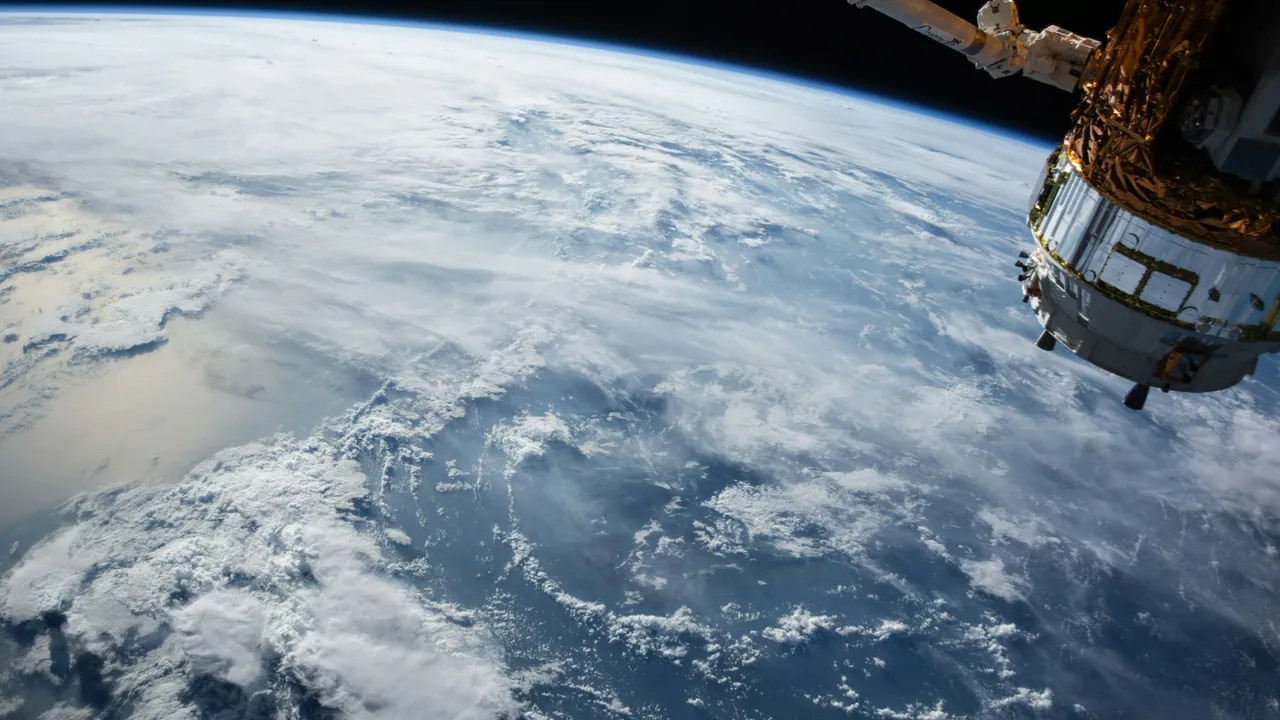
Earth in Focus: Formation, Life Systems, and Cosmic Vulnerability
Earth is the only known planet capable of sustaining life, protected by a unique atmosphere, magnetic field, and stable axial tilt supported by the Moon. While facing modern climate pressures, it remains humanity's sole home in the cosmos.

Researchers Send Message Through Walls Using Gravity Instead of Wi-Fi
Australian researchers have successfully transmitted and decoded the word Gravity through a brick wall using tiny variations in a gravitational field generated by a 1.8-ton elevator counterweight.
Sahara Discovery Reveals Giant Eagles Preyed on Large Primates and Hominins
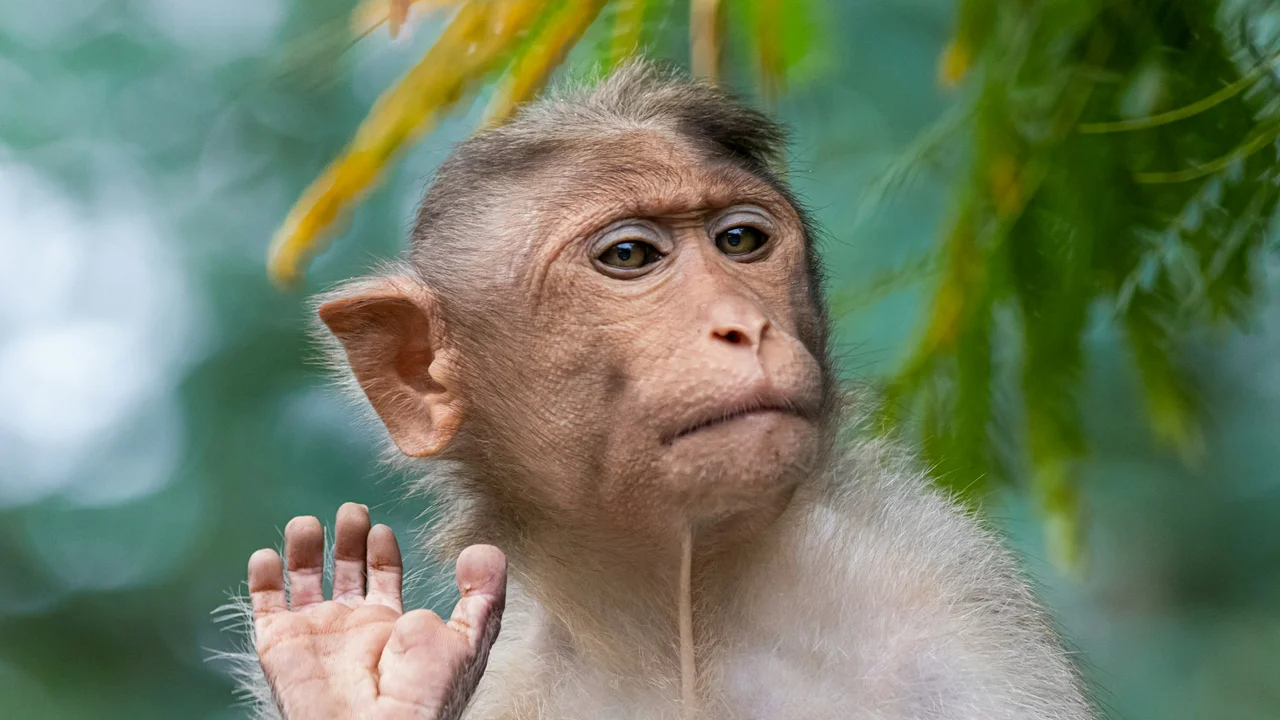
A Sahara Desert study reveals Verreaux's eagles hunt baboons weighing over 26kg, challenging evolutionary assumptions about predator threats to early human ancestors.
Forgotten Medieval Poem Note Leads Researchers to Lost City in Mongolia
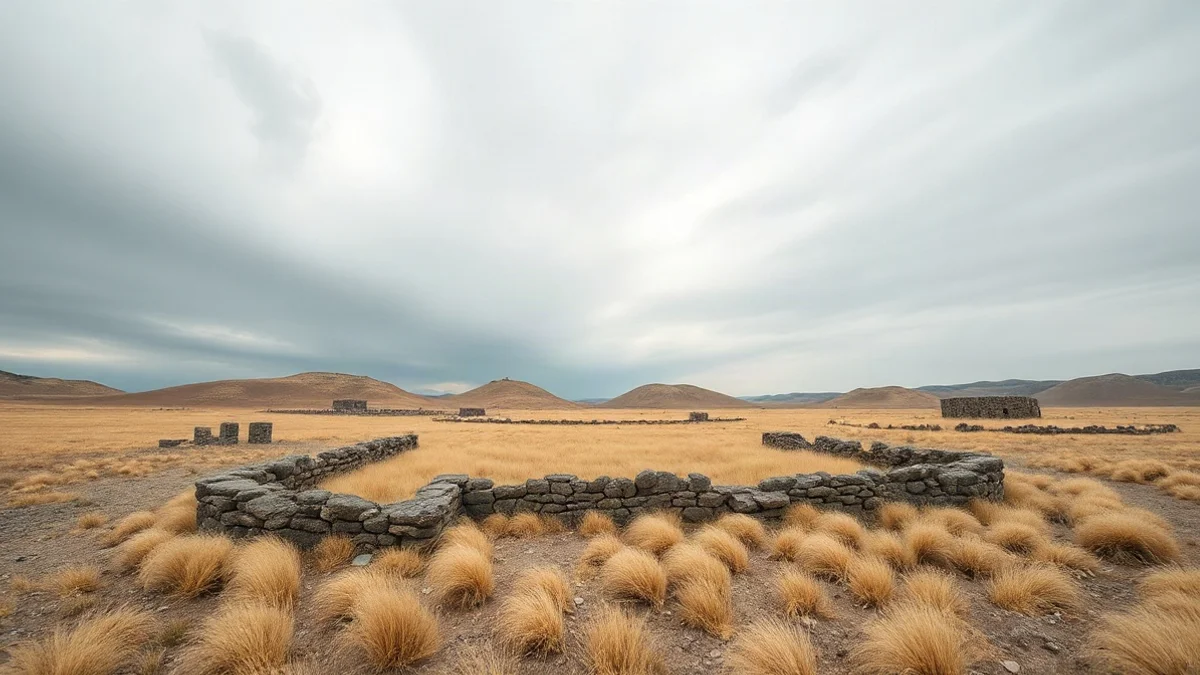
A forgotten 13th-century poetry note has led researchers to a fortified site in Mongolia, potentially uncovering Bilge Khagan's lost 8th-century palace city.

Timed Acoustic Tones Enhance Brain Waste Clearance During Sleep in New Study
Researchers at MIT and Boston University have discovered that timed acoustic tones during sleep can safely amplify cerebrospinal fluid flow, opening new pathways to combat brain waste and neurodegenerative diseases.
Broad Institute Co-Founder Eric Lander on Decoding Life and Clean Energy
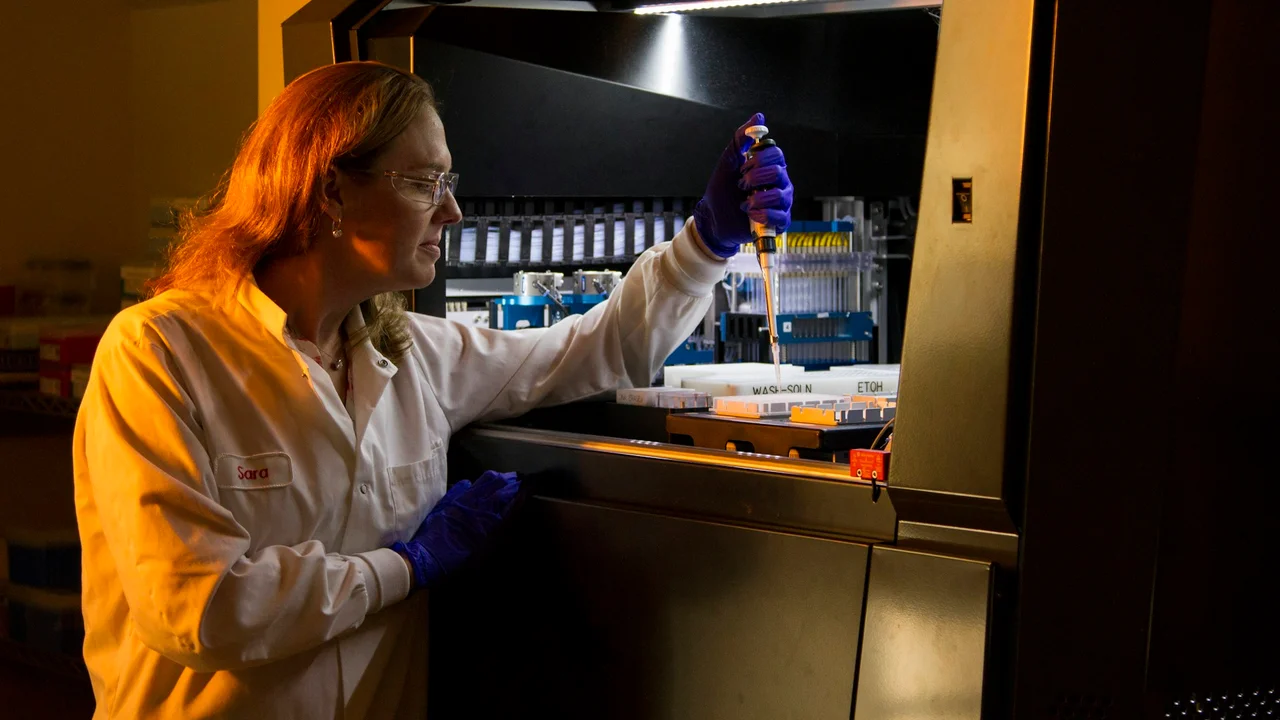
Eric Lander, co-founder of the Broad Institute, discusses his pioneering work in genomics, the founding of Harvard and MIT's joint research center, his tenure in Washington, and his new clean energy startup, Pacific Fusion.
Lenticular Clouds Resembling Flying Saucers Appear Over Golan Heights
Rare lenticular clouds resembling flying saucers appeared over the northern Golan Heights. The atmospheric phenomenon forms through mountain waves, humidity, and wind.
Stanford Study Reveals Brain Biotypes Often Defy Traditional ADHD Labels
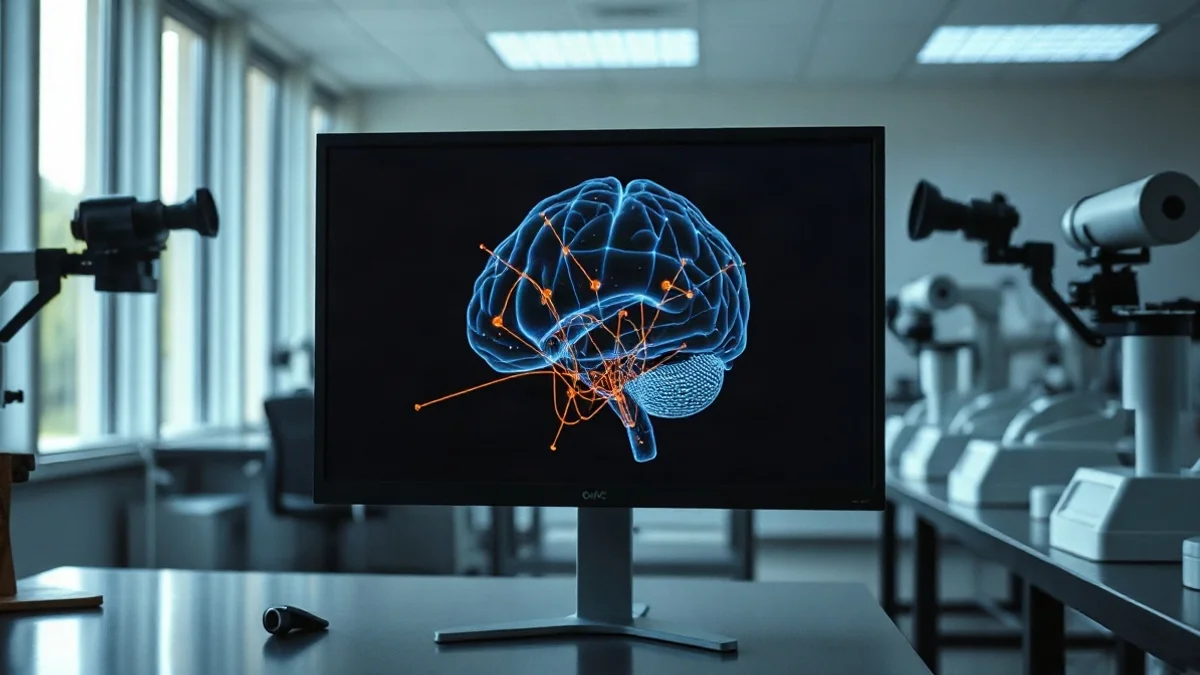
A Stanford University study using AI brain scans reveals that children's neural biotypes often transcend traditional ADHD and anxiety labels, offering a path to early diagnosis.
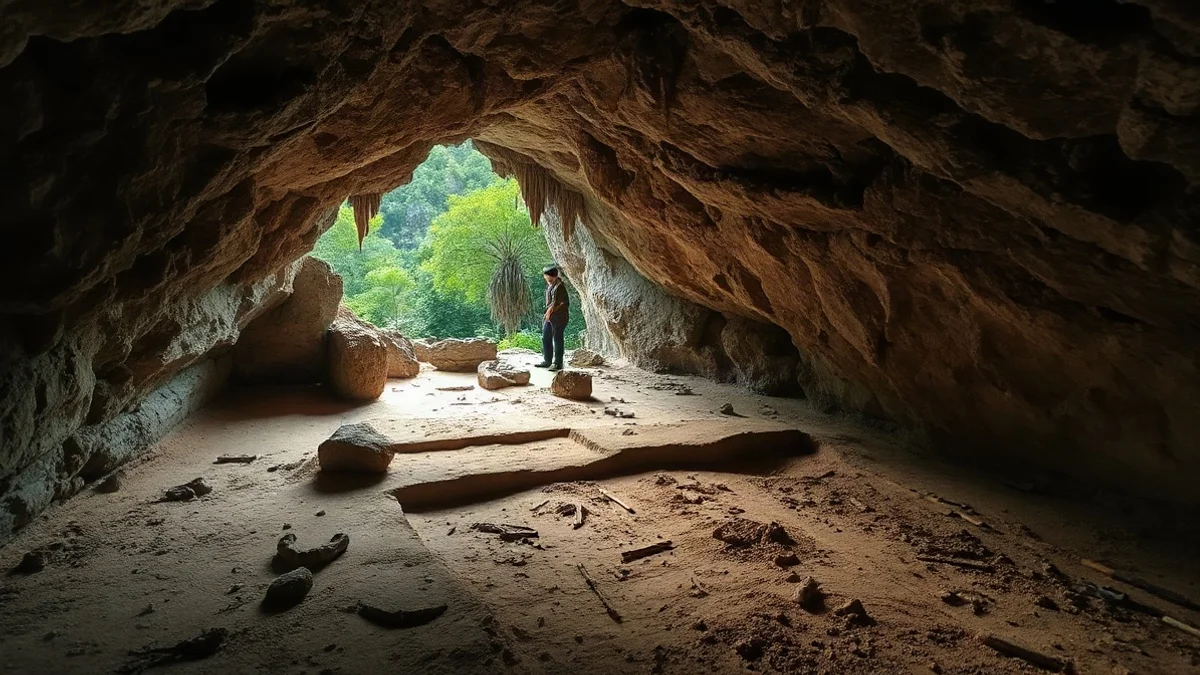
Homo Erectus Survived in Southern China Rainforests Far Later Than Believed
New scientific findings reveal that Homo erectus survived in southern China's dense tropical rainforests up to 184,000 years ago, demonstrating unexpected adaptability and mobility.
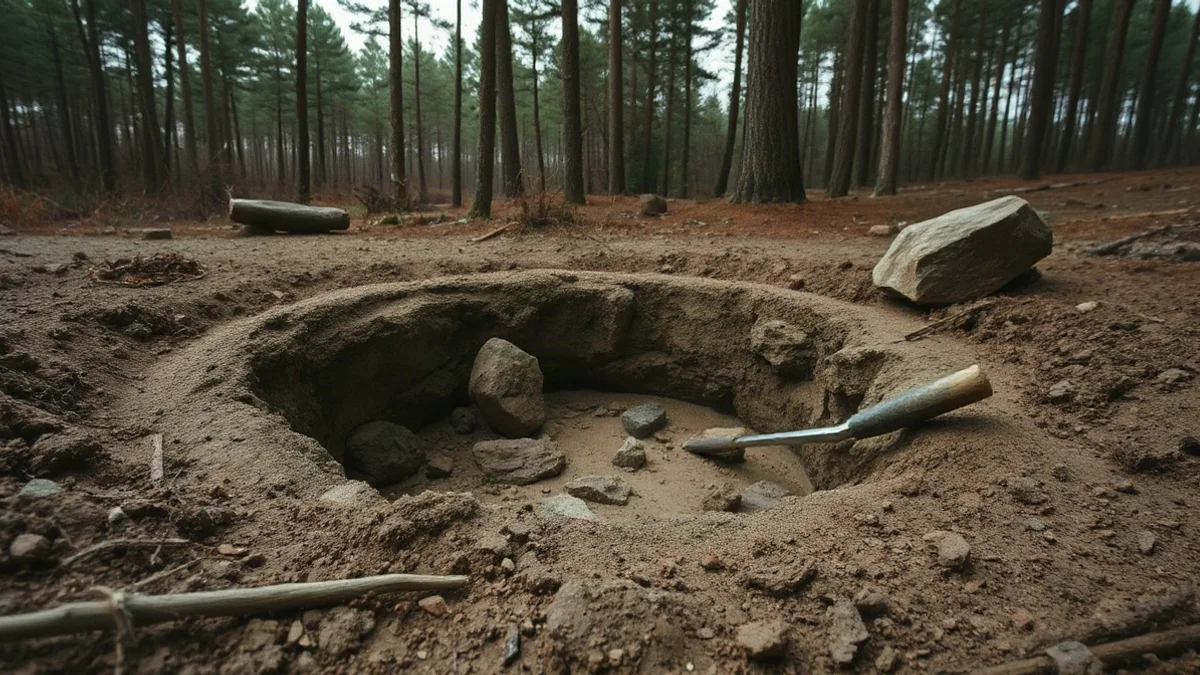
QuantWealth Study Reveals Gradual Rise of Social Inequality in Ancient Europe
Researchers using a new archaeological method called QuantWealth reveal that social inequality among early European pastoralists evolved gradually rather than arriving overnight.
Scientists Sequence Whale Genome From Exhaled Breath Samples Using Drones
Scientists successfully sequenced a humpback whale genome using drone-collected breath samples, pioneering a non-invasive method to monitor marine mammal health and genetics.

Ancient Mountain Growth May Have Catalyzed the Evolution of Life on Earth
Earth's mountains grew in two distinct stages that coincided with biological booms, supplying essential nutrients to oceans and driving the evolution of complex life.
Aarhus University Researchers Map 10,000 Years of Sheep Genetics and Gene Regulation
An international research team has created SheepGTEx, the most comprehensive map of gene regulation in sheep, revealing how 10,000 years of domestication shaped ovine genetics.
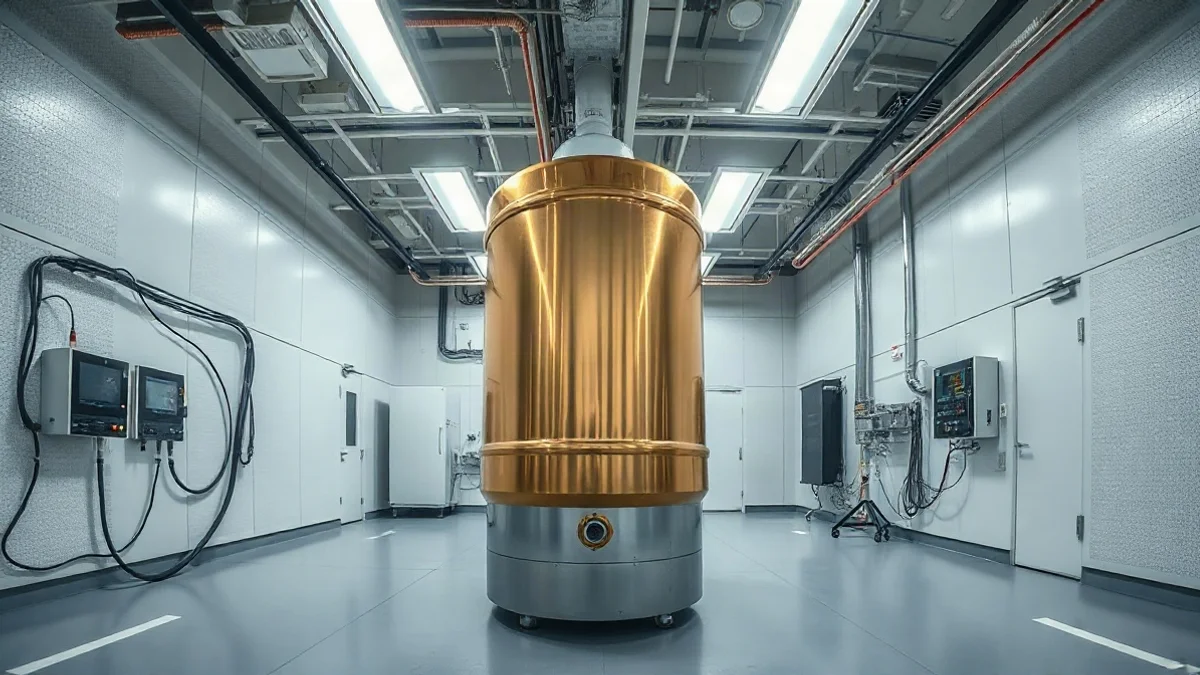
Turkey Advances 54-Qubit Quantum Computing Project Targeted for 2027 Launch
Turkey advances a 54-qubit quantum computer project set for 2027, sparking regional discussions on cybersecurity and intelligence as Israel also expands its national quantum research infrastructure.

Giant D-Rex Fungus Discovered in China Shatters Biological Size Records
A newly discovered giant fungus species in southwestern China, dubbed D-rex, has shattered size records for its biological group, growing up to 50 centimeters tall.
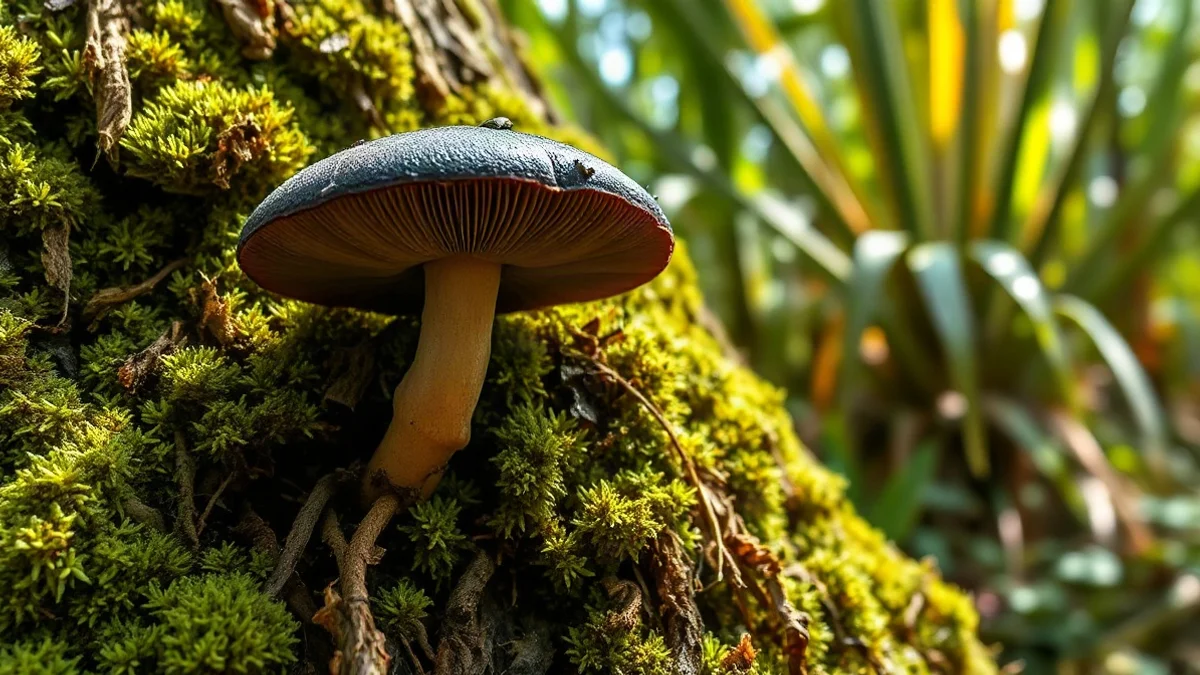
Scientists Discover Dark Magic Mushroom Containing Both Toxins and Psychedelics
US scientists discovered Galerina indica, a unique mushroom producing both psilocybin and deadly amatoxins. The rare hybrid challenges foraging safety rules and evolutionary biology.
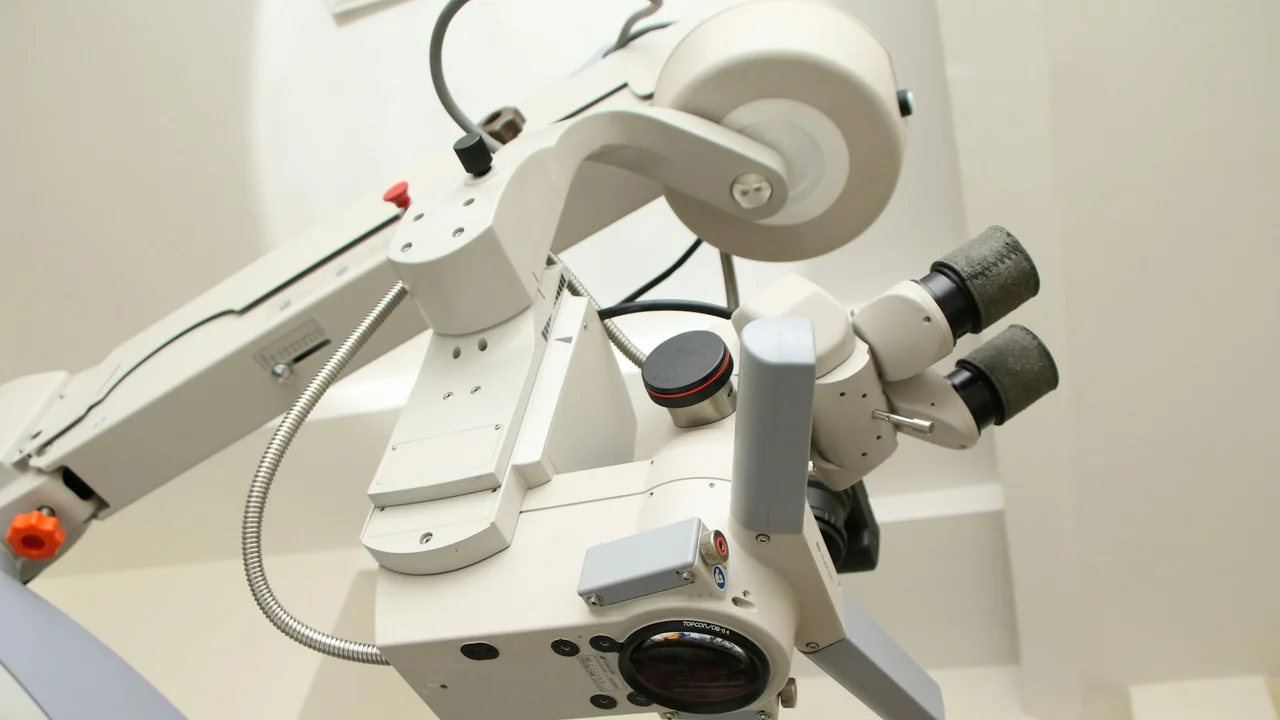
Rare Brain Surgery Side Effect Causes Man to See Cat Faces on People
Following brain surgery, a 28-year-old American man experiences a rare neurological phenomenon where his cat's facial features distort the faces of people he encounters.
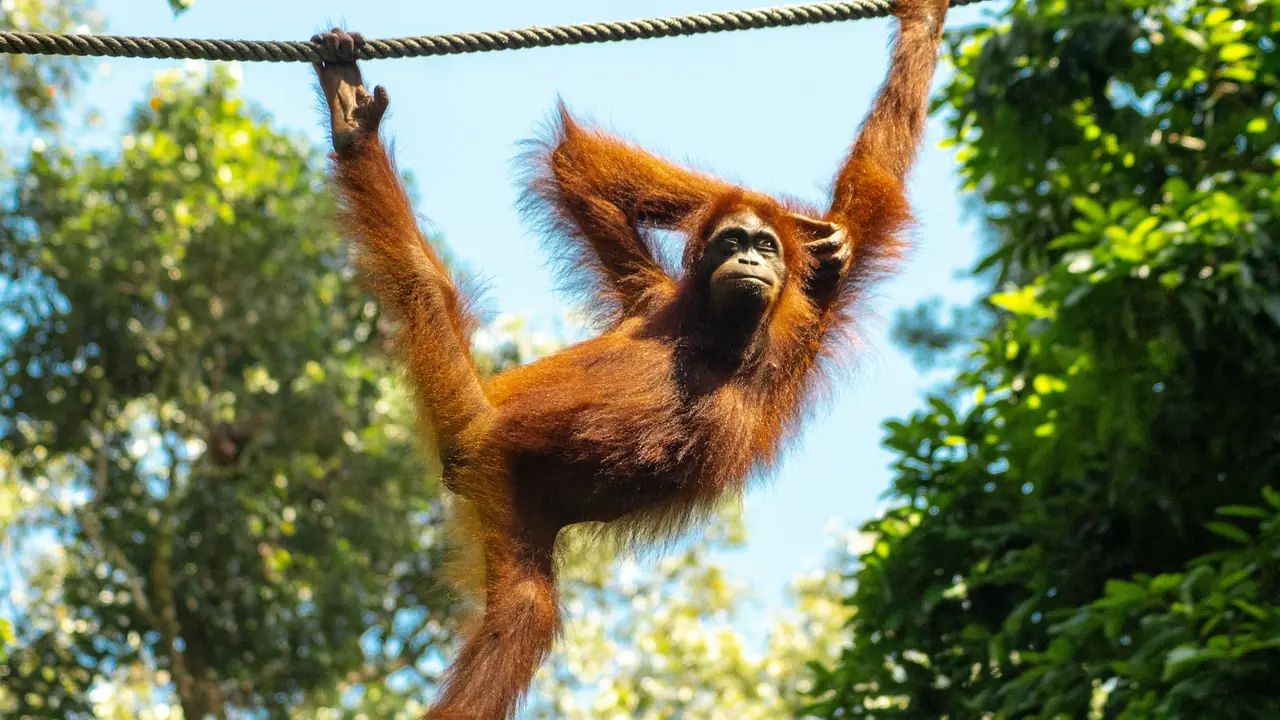
Gorillas Outsmart Electric Barrier with Living Ladder in Rare Discovery
Researchers at Tel Aviv University documented western lowland gorillas at the Ramat Gan Safari forming a living ladder to bypass an electric barrier and reach high foliage.

New Electric Comb Developed in Beijing Achieves 98% Hair Regrowth in Mice
Researchers in Beijing have developed an experimental electric comb that stimulates hair follicles and delivers growth compounds, achieving 98% hair regrowth in mice within 28 days during early trials.

Scientific Review Reveals How Toilet Flushing Releases Airborne Bioaerosols
A scientific review of 22 studies reveals that toilet flushing releases tiny bioaerosols that reach adult and children breathing zones, lingering in the air and raising public health design questions.