Scientists Sequence Whale Genome From Exhaled Breath Samples Using Drones
Scientists successfully sequenced a humpback whale genome using drone-collected breath samples, pioneering a non-invasive method to monitor marine mammal health and genetics.
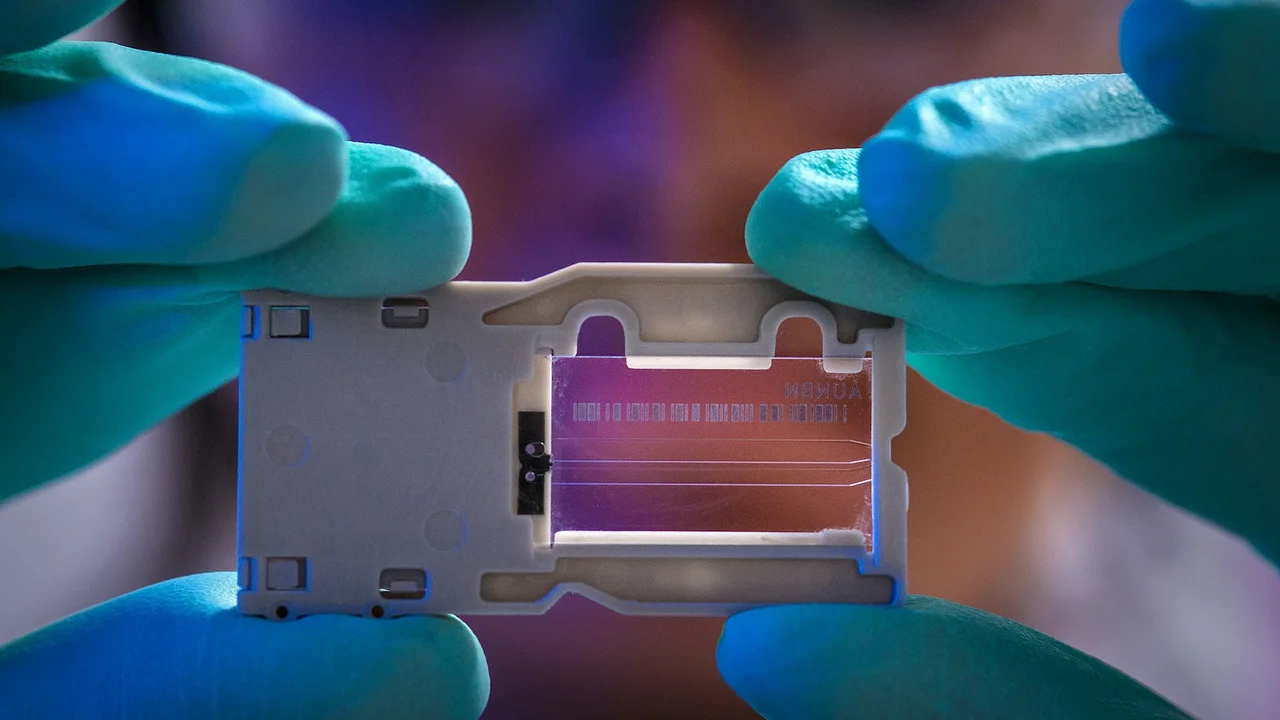
A groundbreaking study published in the scientific journal Molecular Ecology Resources details a major breakthrough in marine mammal research, as scientists successfully sequenced the entire genome of a humpback whale using samples collected solely from its exhaled breath without requiring physical contact with the animal.
Led by the University of St Andrews in Scotland in collaboration with the University of Copenhagen and Canadian research institutions, the study was conducted off the coast of British Columbia, Canada. Researchers deployed small drones equipped with sterile sampling petri dishes, flying them directly through the vapor clouds and droplets released by humpback whales when surfacing to breathe.
Non-Invasive Genetic Sampling
Previously, decoding the complete genome of whales required gathering skin and blubber samples using biopsy darts or relying on stranded animals. The new technique extracts extensive genetic data without approaching the marine mammals by boat or penetrating their body tissues.
The research team collected 58 breath samples from 26 distinct whales. Surprisingly, approximately 84% of the DNA recovered from these samples originated from the whales themselves. Comparing these results to traditional biopsy samples confirmed a high genetic match, validating the method's accuracy and reliability.
Tracking Population Health and Social Dynamics
These findings could revolutionize how researchers monitor whale populations worldwide. The genetic data allows scientists to examine family lineages, detect signs of inbreeding, assess population genetic diversity, and investigate complex social bonds among whales.
Lead researcher Dr. Eidin O'Mahony noted that an upcoming area of investigation centers on whether whales feeding together share familial ties or represent long-term social companions.
Additionally, the team discovered that about 16% of the DNA in the breath samples derived from microorganisms inhabiting the whales' respiratory tracts, opening new avenues for monitoring their respiratory health.