Ancient Apophis Curse Ritual Papyri Uncovered in Thebes Reveal New Roots
The discovery of 40 charred papyrus fragments in Thebes reveals that the ancient Egyptian Apophis curse ritual was widespread and practiced 1,000 years earlier than previously known, offering unprecedented physical evidence of daily temple magic.
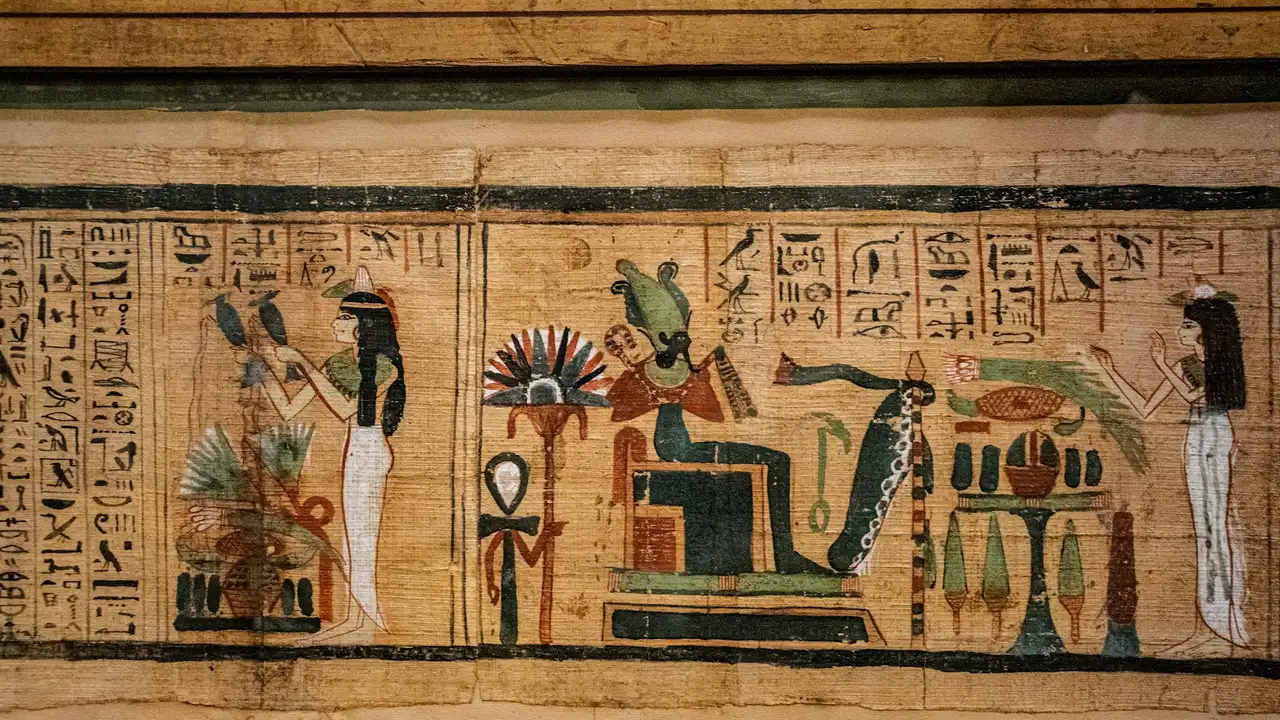
The discovery of 40 charred and punctured papyrus fragments in a temple within the ancient city of Thebes is reshaping researchers' understanding of one of ancient Egypt's most famous curse rituals. Known as the Apophis Ritual, the ceremony was designed to curse the giant serpent Apophis, the principal enemy of the sun god Ra. According to Egyptian belief, Ra had to battle the serpent during his nightly journey through the underworld to ensure the sun would rise again.
Uncovering the Roots of the Apophis Ritual
Until recently, Egyptologists relied on a single surviving copy of the ritual, preserved in a ritual guide dating back to the late fourth century BC. Aside from that single document, little evidence existed regarding how frequently the ceremony was performed, who conducted it, or where it took place. Over time, the ritual's scope expanded beyond combating the sun god's celestial foe to include cursing pharaoh's enemies and ritually managing natural afflictions attributed to Apophis, such as poison and severe storms.
During excavations at a Theban temple, Professor Frederik Hagen and his colleagues from the University of Copenhagen unearthed the 40 papyrus fragments. Analysis revealed they were mass-produced copies featuring illustrations and texts used during the Apophis Ritual and burned in the process. As part of the ceremony, Apophis was drawn as a snake on papyrus, with his name written in red ink—a color symbolizing evil and drought in ancient Egypt. The papyrus representations were then stabbed with knives and burned while spells were chanted.
Physical Evidence Dating Back 3,400 Years
Dating back approximately 3,400 years, the newly discovered papyrus fragments predate the previously known single copy by about a millennium. Professor Hagen emphasized that the findings confirm the ritual was already an established part of New Kingdom culture. Furthermore, the tiny fragments—each no larger than half a postage stamp—provide the oldest physical evidence that the curse ritual was actually performed.
"These tiny fragments provide us with new evidence for the scope and distribution of curse rituals in ancient Egypt. Our findings and subsequent analysis confirm that the ritual was part of daily temple routine," Professor Hagen stated.
Researchers noted that literate individuals outside the priestly class could employ ritual practices and act as magicians or healers. People regularly consulted scribes for protection or to harm adversaries. Because temple rituals mandated the near-total destruction of ritual materials through trampling, spitting, stabbing, and burning, finding recognizable remnants is exceptionally rare.
Shifting Archaeological Focus
For decades, Egyptian archaeology primarily concentrated on monumental architecture, grand temples, and decorative reliefs to understand ancient religious beliefs. This new research demonstrates how analyzing overlooked materials and zones can shed light on daily temple operations and the lives of ancient priests and workers. Additional papyrus fragments discovered nearby were identified as part of the temple's administrative archive, offering valuable insights into daily temple economics and offering logistics.