Researchers Discover Deepest Explosive Underwater Volcanic Eruptions in Mariana Trench
Researchers discover the deepest explosive underwater volcanic eruptions ever recorded near Challenger Deep in the Mariana Trench, revealing unique geological activity 11 kilometers below sea level.
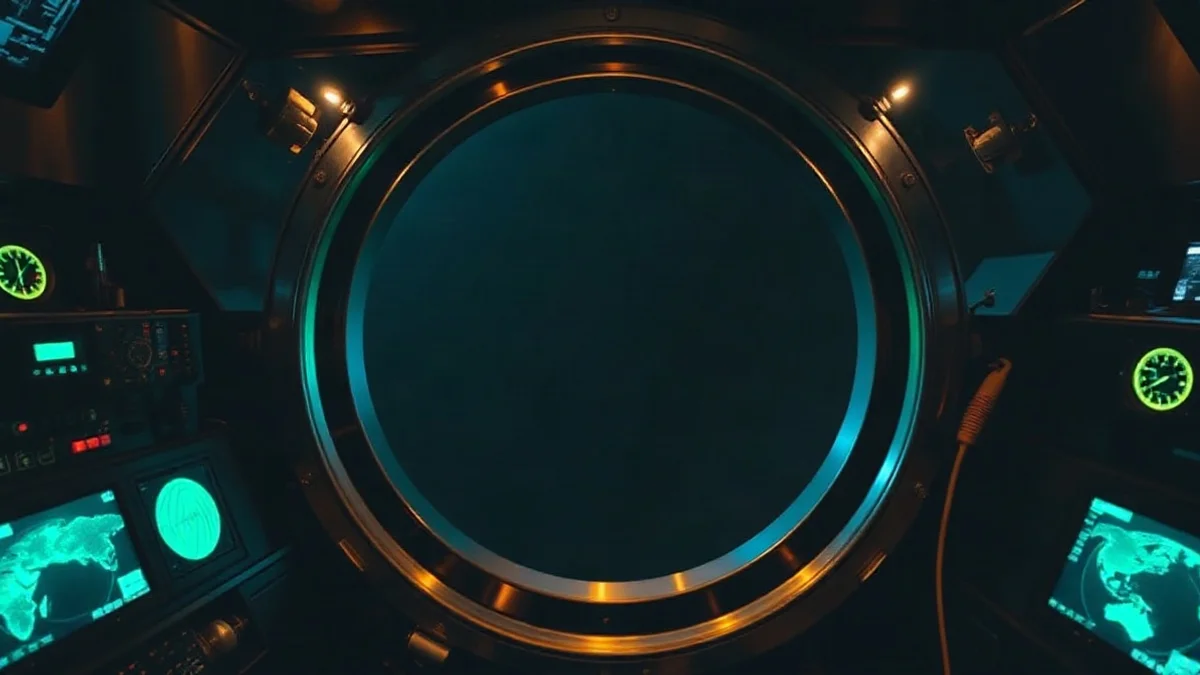
Researchers exploring the Mariana Trench have uncovered evidence of explosive underwater volcanic eruptions at unprecedented depths, shedding new light on the geological forces shaping the deepest point on Earth. The findings, published in the journal Frontiers in Earth Science, reveal pyroclastic rocks resting on the ocean floor near Challenger Deep, located approximately 11 kilometers below sea level in the western Pacific Ocean.
Unprecedented Volcanic Activity at Extreme Depths
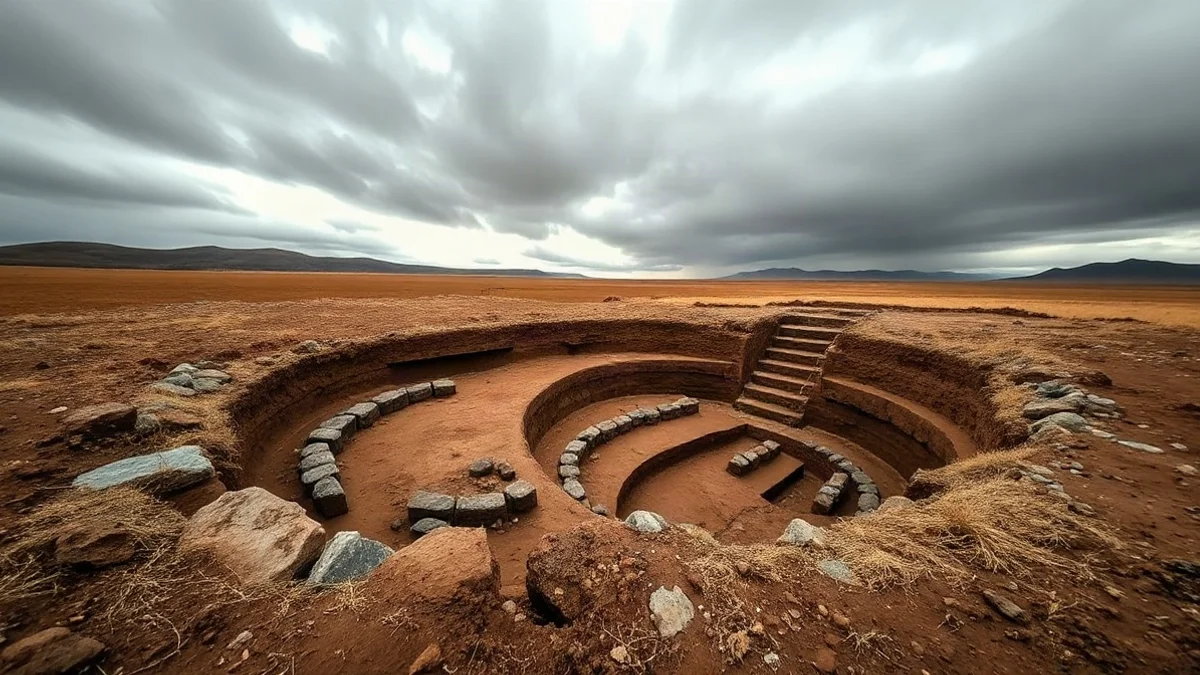
The Pacific tectonic plate began plunging beneath the Philippine Plate roughly 52 million years ago, creating the Mariana Trench. A team of scientists deployed a remotely operated underwater vehicle to collect geological samples around Challenger Deep to understand the extreme depth of the trench. To their surprise, analysis of the seabed revealed the deepest explosive volcanic deposits ever documented in any ocean.
Dr. Robert J. Stern from the University of Texas at Dallas, the lead author of the study, noted the unexpected nature of the discovery. "Explosive volcanic activity near ocean trenches is an unusual phenomenon, so we were very surprised," said Dr. Stern. "These are the deepest pyroclastic rocks documented anywhere in the ocean so far."
High Pressure and Tectonic Dynamics
The discovery challenges existing geological models because the rocks were found along a tectonic boundary where the underlying mantle is typically not hot enough to melt, making young lavas rare in the region. Furthermore, the extreme pressures at these depths alter the dynamics of volcanic eruptions compared to those on land or in shallow water. Under such high pressure, gases in the magma cannot expand as powerfully, prompting ongoing research into the exact mechanics of these eruptions.
Analysis of the forearc region extending between the Mariana Trench and the active volcanic arc revealed differing expansion mechanisms across the seabed. The eastern section appears to expand primarily through mechanical stretching of the tectonic plates, indicated by older rocks, while the western section shows evidence of magma accumulation from the Earth's mantle, suggested by younger volcanic rocks.
Implications for the Challenger Deep
The study also clarifies why Challenger Deep reaches such exceptional depths. The two tectonic plates in the subduction zone are bound together relatively weakly, allowing the descending plate to move smoothly. Additionally, the subducting plate is relatively narrow and short, enabling it to bend at a steeper angle into the mantle, which directly magnifies the depth of the trench.
"The subduction of oceanic plates at subduction zones provides most of the energy driving Earth's tectonic plates, so as this subduction zone widens, it will impact plate motion, at least in the western Pacific," Dr. Stern explained. Researchers have yet to locate the exact eruption sites, noting that the pyroclastic flows likely did not travel vast distances because they retained sufficient heat to fuse into hard rock. Scientists aim to return to the region to sample unexplored depths between 6,500 meters and the 11,000-meter abyss of Challenger Deep, noting that current research access to the extreme ocean floor remains limited.