Turkey Advances 54-Qubit Quantum Computing Project Targeted for 2027 Launch
Turkey advances a 54-qubit quantum computer project set for 2027, sparking regional discussions on cybersecurity and intelligence as Israel also expands its national quantum research infrastructure.
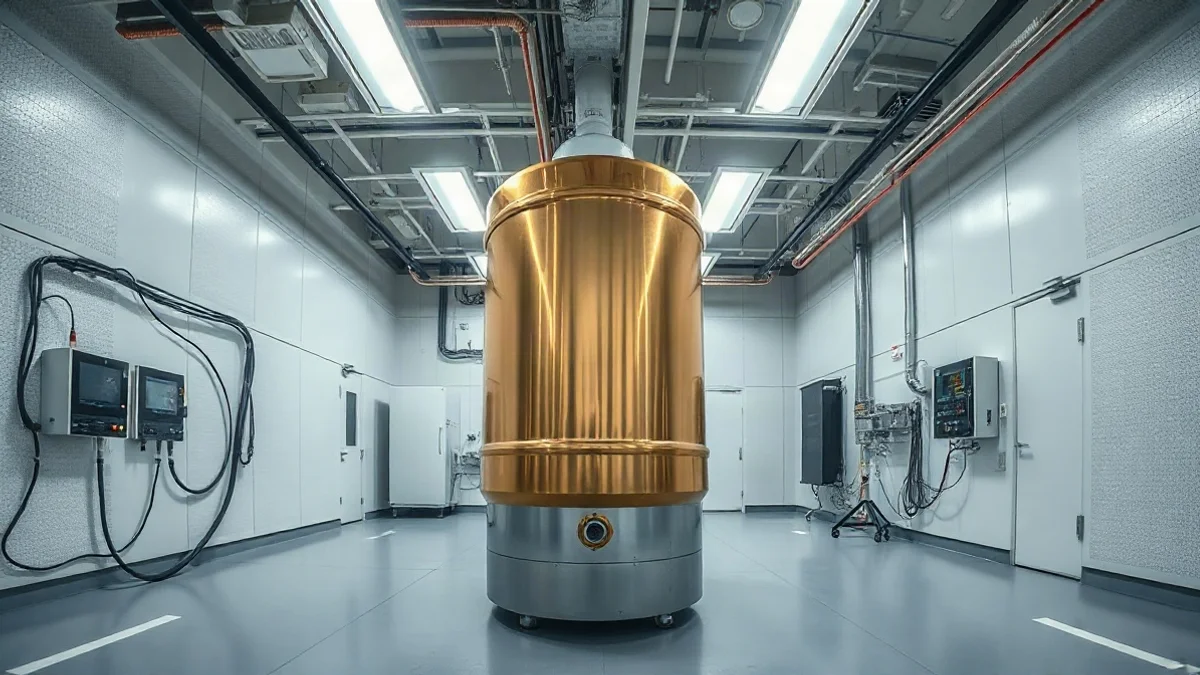
Turkey is accelerating its national technological roadmap by advancing a major quantum computing project centered on a 54-qubit system scheduled to become operational by 2027. Turkish Minister of Industry and Technology Mehmet Fatih Kacır announced that an agreement has been signed to establish the system within the Scientific and Technological Research Council of Turkey, known as TUBITAK. According to reports from the state-run Anadolu Agency, the initiative aims to position Turkey among the top 15 nations globally in quantum computing capabilities, while ensuring sovereign control over research infrastructure, data, and intellectual property.
Technological Architecture and Foreign Partnerships
The upcoming quantum system is based on the IQM Radiance R3 model, developed by the Finnish firm IQM Quantum Computers, which supplies advanced computing architecture to research institutions worldwide. While Turkey is relying on foreign hardware for its national infrastructure, Ankara intends to develop domestic algorithms and software focused on artificial intelligence, cybersecurity, advanced materials, and complex problem-solving. Geopolitical analyst Peter Germanos noted that the regional rivalry between Israel and Turkey is entering a new technological phase, warning that significant investments in quantum computing could eventually influence the strategic balance in the Middle East if encryption systems are compromised.
Scientific Realities and Cryptographic Challenges
Despite the strategic rhetoric surrounding the 54-qubit system, experts emphasize that raw qubit counts do not immediately translate into the ability to break modern encryption. According to the United States National Institute of Standards and Technology, practical decryption requires exceptionally stable, error-corrected quantum computers far beyond current technological limits. A 54-qubit system primarily serves as a foundation for academic research, workforce training, and algorithm development rather than an immediate cryptographic threat. Global standard-setting bodies have already begun addressing these future risks, with the U.S. institute publishing initial post-quantum cryptography standards to secure sensitive data against prospective computational capabilities.
Israel's Position in the Quantum Landscape
Meanwhile, Israel maintains a robust quantum ecosystem driven by academic research, private investment, and national infrastructure initiatives. In December 2024, Israel unveiled its first locally built superconducting quantum computer featuring 20 qubits, developed through a collaborative effort involving Israel Aerospace Industries, the Israel Innovation Authority, and the Hebrew University. Furthermore, the Innovation Authority launched a 100 million shekel program in July 2026 to establish a national quantum research and development infrastructure integrating multiple processing technologies. Private sector momentum remains strong, with Israeli quantum firms raising close to half a billion dollars in private investments during 2025, placing Israel fourth globally behind the USA, United Kingdom, and Canada in private funding volume.