Stanford Study Reveals Brain Biotypes Often Defy Traditional ADHD Labels
A Stanford University study using AI brain scans reveals that children's neural biotypes often transcend traditional ADHD and anxiety labels, offering a path to early diagnosis.
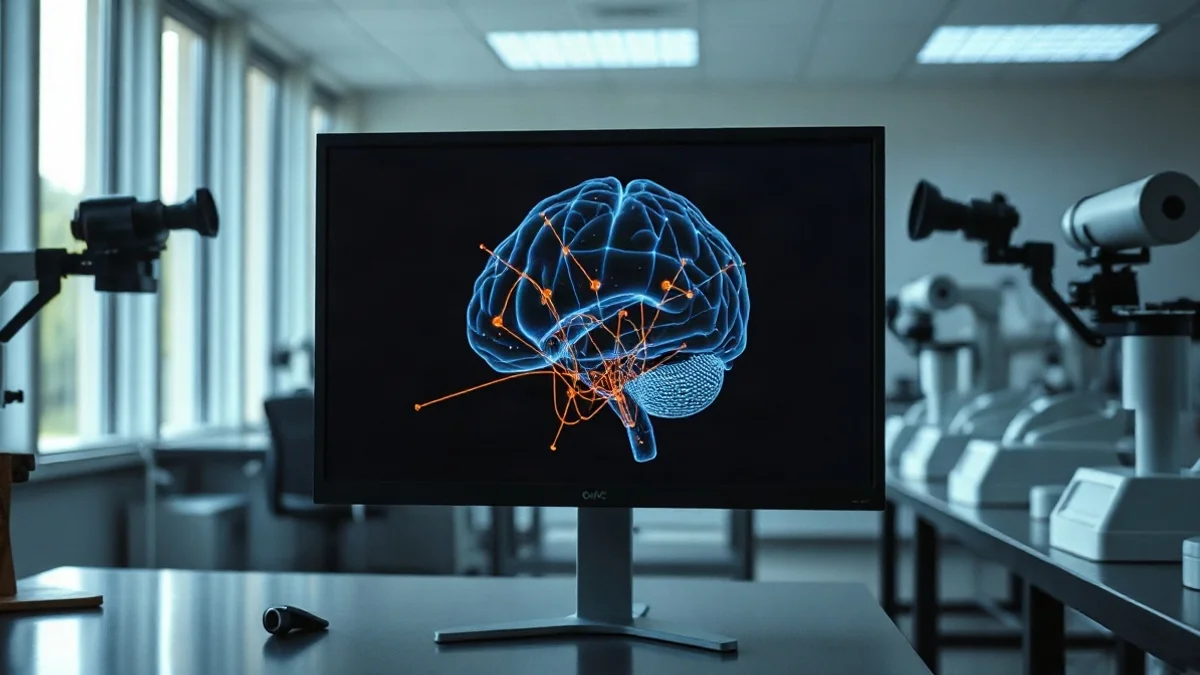
A groundbreaking study conducted by the Stanford University School of Medicine reveals that neurobiological profiles of children often diverge from traditional clinical diagnoses of attention-deficit hyperactivity disorder and anxiety. Researchers approached the diagnostic challenge from inside the brain itself, utilizing advanced artificial intelligence to analyze neural connectivity patterns rather than relying solely on conventional behavioral questionnaires and external observations.
The research, recently published in the scientific journal Nature Mental Health, drew upon data from the landmark Adolescent Brain Cognitive Development study, a long-term US project tracking more than 11,000 children enrolled at ages nine or ten. Investigators examined 3,500 children diagnosed with ADHD, anxiety, or both at the start of the study, alongside 693 children diagnosed later and 1,947 control subjects with no diagnoses. All participants underwent functional magnetic resonance imaging scans alongside cognitive and behavioral testing.
Neural Axes and Biological Subtypes
Using an AI-driven model, the research team analyzed functional connectivity—the interaction between different brain regions—and synthesized it with diagnostic and behavioral data. The model isolated two primary axes driven by distinct neural networks: one governing cognitive and behavioral function, and the other regulating emotion and attention. The intersection of these axes generated three distinct biological subtypes, termed biotypes.
The first subtype, designated as externalizing and uninhibited, features heightened hostility, defiance, impulsivity, aggression, and rule-breaking, appearing predominantly among children with ADHD. The second subtype, internalizing and distressed, displays guilt, tension, perfectionism, and symptoms of anxiety and depression, aligning frequently with children diagnosed with anxiety. The third category, a mixed profile, exhibits pronounced attention difficulties, irritability, and self-harm tendencies, also prevalent among ADHD diagnoses.
Overlapping Profiles and Future Diagnostics
Crucially, each of the three biotypes appeared across all study cohorts, manifesting in children with ADHD, anxiety, dual diagnoses, and even control subjects with no formal clinical label. This indicates that brain organization does not strictly mirror standard psychiatric classification manuals.
Dr. Yu Zhang, professor of psychiatry and behavioral sciences at Stanford and co-senior author of the study alongside Dr. Jing Jiang of the University of Iowa, noted the implications of these findings.
"The high overlap between ADHD and anxiety actually hinders our understanding of the neurobiology."
Furthermore, the biotypes were successfully identified in baseline scans of children who lacked a diagnosis at the outset but developed one later, suggesting potential utility as early prognostic markers. These findings were independently validated in a separate cohort of 224 children from the Healthy Brain Network study.
While these insights do not immediately replace clinical symptom-based evaluations, researchers anticipate they will eventually complement current practices and streamline treatment selection, which currently relies heavily on trial and error. Future trials will investigate how specific interventions alter distinct brain connectivity patterns.