Even on a diet: how to properly incorporate challah into your nutrition
It is one of the most popular foods in Israel, but also one of the most maligned by diet and health enthusiasts. It turns out there are several ways to incorporate challah into your diet more correctly — on Fridays, holidays, and weekdays. And also: what does a dietitian think about schnitzel in challah? The answer will surprise you.
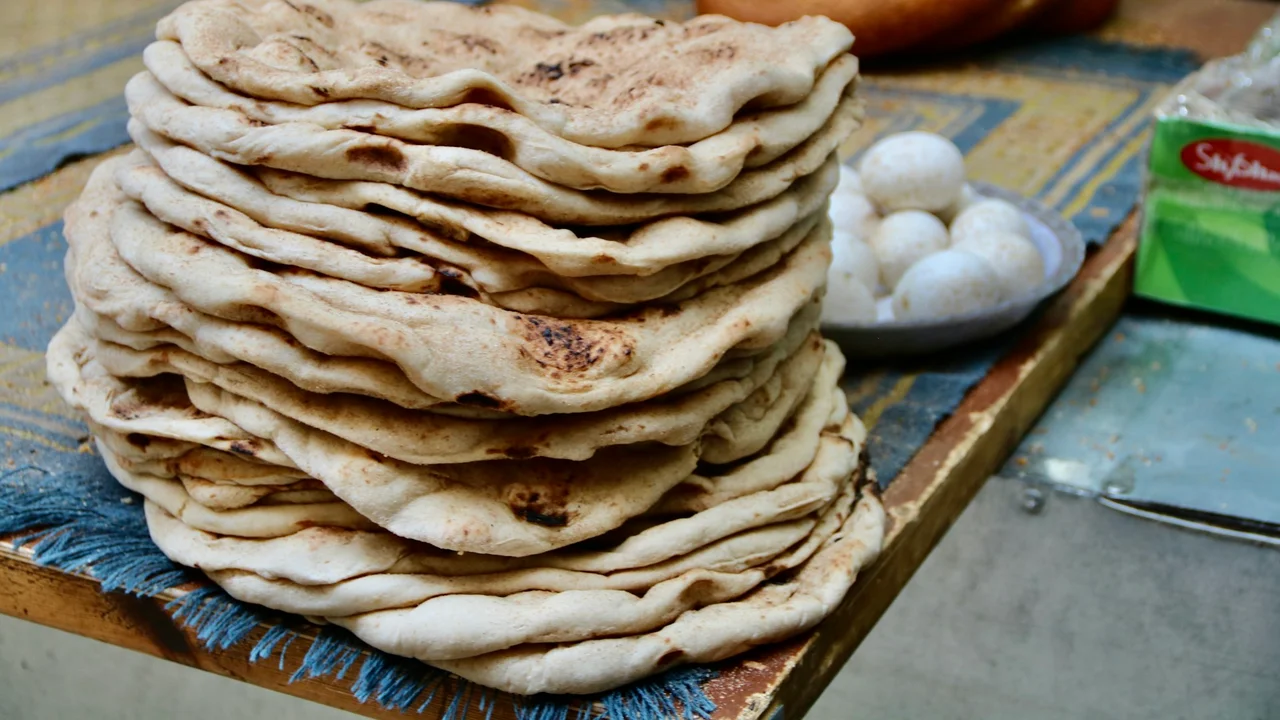
On one hand, the carbohydrates in challah provide available energy for the brain and even contribute to a sense of calm through their effect on serotonin. On the other hand, when it is based solely on white flour, it digests quickly, spikes blood sugar, and then comes the crash and the craving for sweets.
How do you make challah healthier without giving up the taste?
-
Start with the flour, but do not switch immediately to 100% whole wheat: the most common mistake is to switch straight to a 100% whole wheat challah and then be disappointed by the unfamiliar texture. The solution is to replace 30–50% of the white flour with whole wheat flour, whole spelt flour, or a combination of them, thus gaining more fiber and satiety without compromising the familiar texture.
-
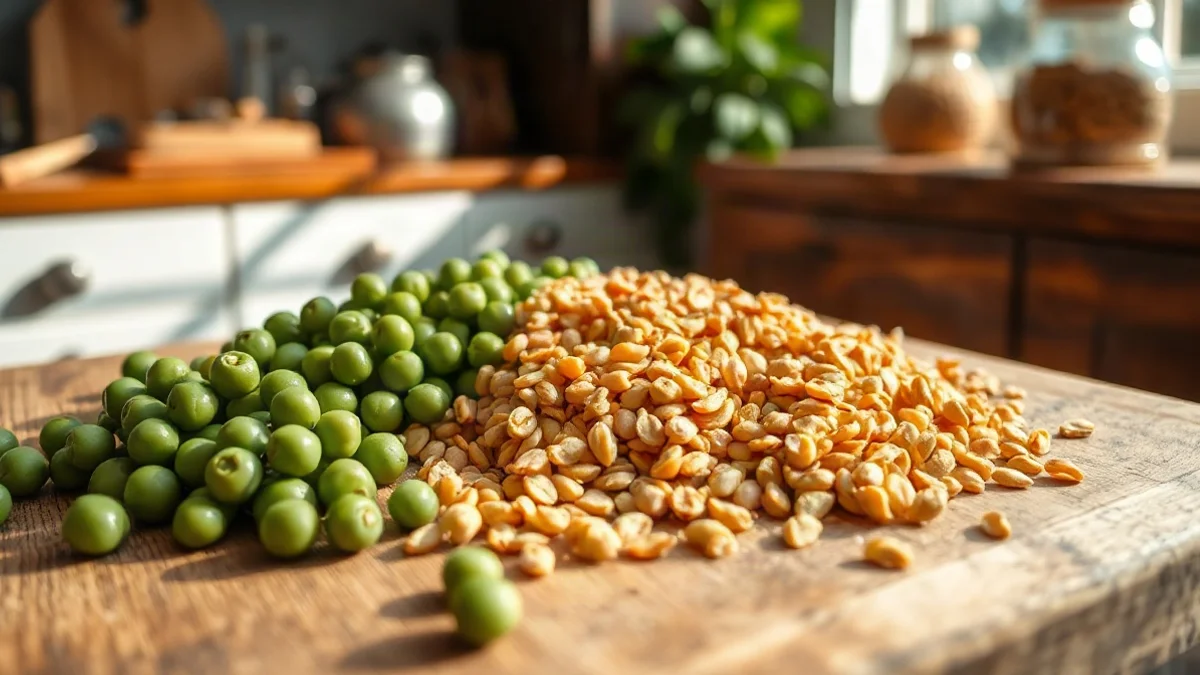
Add dietary fiber: incorporate into the dough itself two tablespoons of ground flax seeds, a tablespoon of chia seeds, or oats. It is almost imperceptible in taste, but it does affect satiety and the rate of blood sugar absorption.
-
Switch to healthier oil: use olive oil instead of saturated fats like butter or coconut oil.
-
Reduce sugar: in most challah recipes, you can reduce the sugar by 20–30% without affecting the taste or texture.
-
Choose additions: inside the dough, you can incorporate sunflower seeds, whole sesame seeds, chopped nuts, or olives. This adds both texture and nutritional value without making the challah heavy.
What about schnitzel and challah?
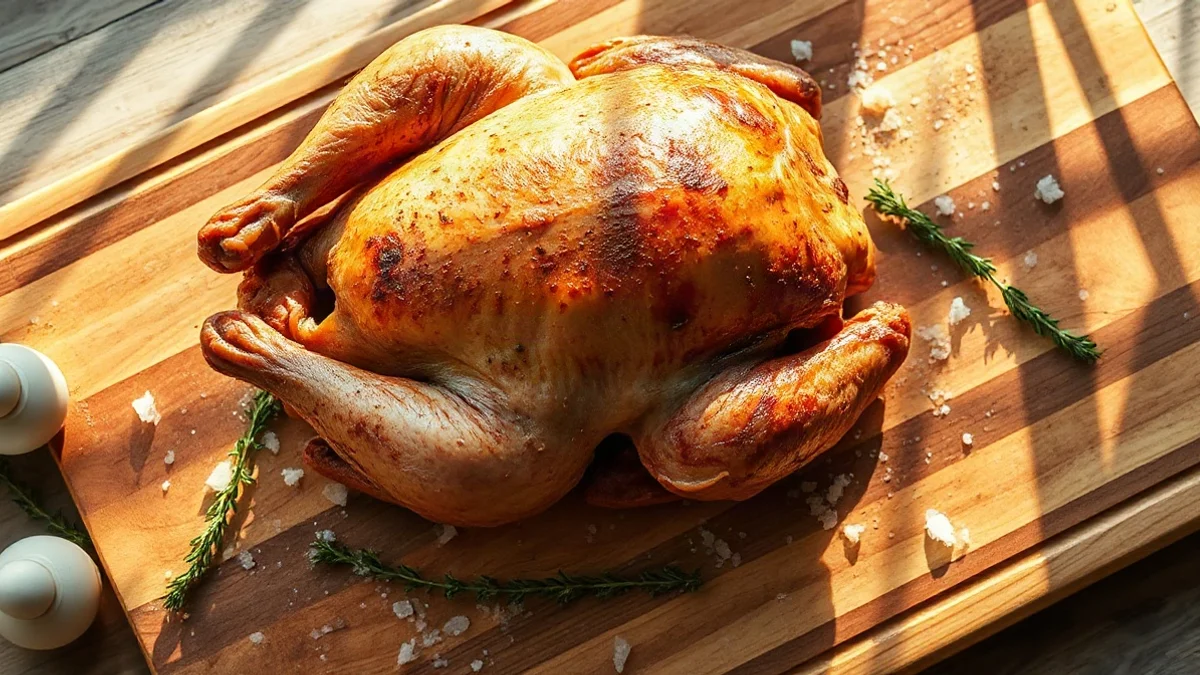
On Friday afternoons, this is a popular combination, and it has its benefits: the protein and fat from the schnitzel slow down the absorption of carbohydrates from the challah and contribute to satiety. However, it is important to remember that schnitzel is coated in breadcrumbs, meaning it is another layer of white flour.
«Therefore, you can choose breadcrumbs made from almond flour since they do not contain carbohydrates, or choose breadcrumbs made from whole wheat flour, which, although they contain carbohydrates, are a bit richer in fiber», — notes Shir Alfi-Zager, clinical dietitian for Clalit in the Dan-Petah Tikva district.
Remember that in the end, the question is not whether to eat challah or not — but how you prepare it. And if you do not have the energy or desire to start baking, you can always look for a healthier challah in supermarkets and bakeries.