White House Divided Over Iran Policy as Trump Weighs Military Strike
The White House is deeply divided over whether to renew military action against Iran, as President Trump faces competing pressures from top advisers, regional intermediaries, and Prime Minister Benjamin Netanyahu.
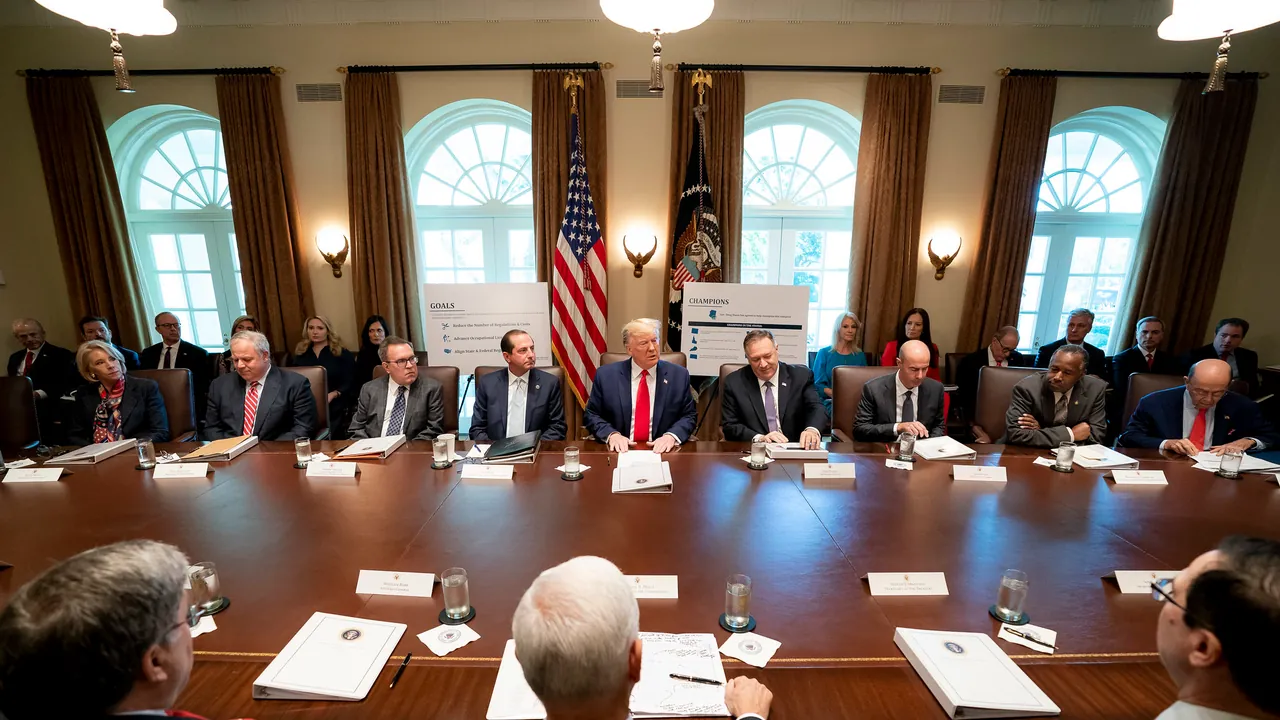
The White House remains deeply divided over whether to renew military action against Iran, leaving both the Israeli public and Washington insiders uncertain of the administration's next steps. According to a senior Israeli official familiar with the internal deliberations, fierce debates have erupted among US President Donald Trump’s key advisers.
On one side, US Central Command chief Bradley Cooper and Defense Secretary Pete Hegseth are pushing to resume hostilities in an effort to permanently neutralize the Iranian threat. Conversely, Chairman of the Joint Chiefs of Staff Dan Kane maintains a much more cautious stance, while Vice President JD Vance and advisers Witkoff and Kushner strongly oppose renewed fighting, favoring continued diplomatic engagement.
Diplomatic Maneuvers and Economic Pressure
Secretary of State Marco Rubio has presented the president with various policy options but has reportedly avoided endorsing a specific course of action, likely to sidestep a direct clash with Vance. Vance has vocally blamed the conflict for Republican midterms setbacks. Meanwhile, Treasury Secretary Scott Bessent has argued that tightening the economic blockade on Iran could effectively strangle the regime.
Amid these conflicting pressures, President Trump has repeatedly shifted his position. Sources close to the matter indicate that Trump would ultimately prefer to secure an agreement that allows him to claim a decisive victory, while intermediaries from Qatar, Pakistan, and Russia actively work behind the scenes. Trump faces a narrow two-month window to reach a decision.
Israeli Political Dynamics
Meanwhile, Prime Minister Benjamin Netanyahu has reportedly added his voice to the pressure campaign, seeking to advance a potential strike in hopes that active hostilities might help untangle his domestic political deadlock. This marks a shift from earlier reports when Israel sought to delay a US-led strike out of concern that it could disrupt domestic election schedules. Trump has since set and postponed multiple tentative dates for potential military action, leaving the final decision entirely in his hands.