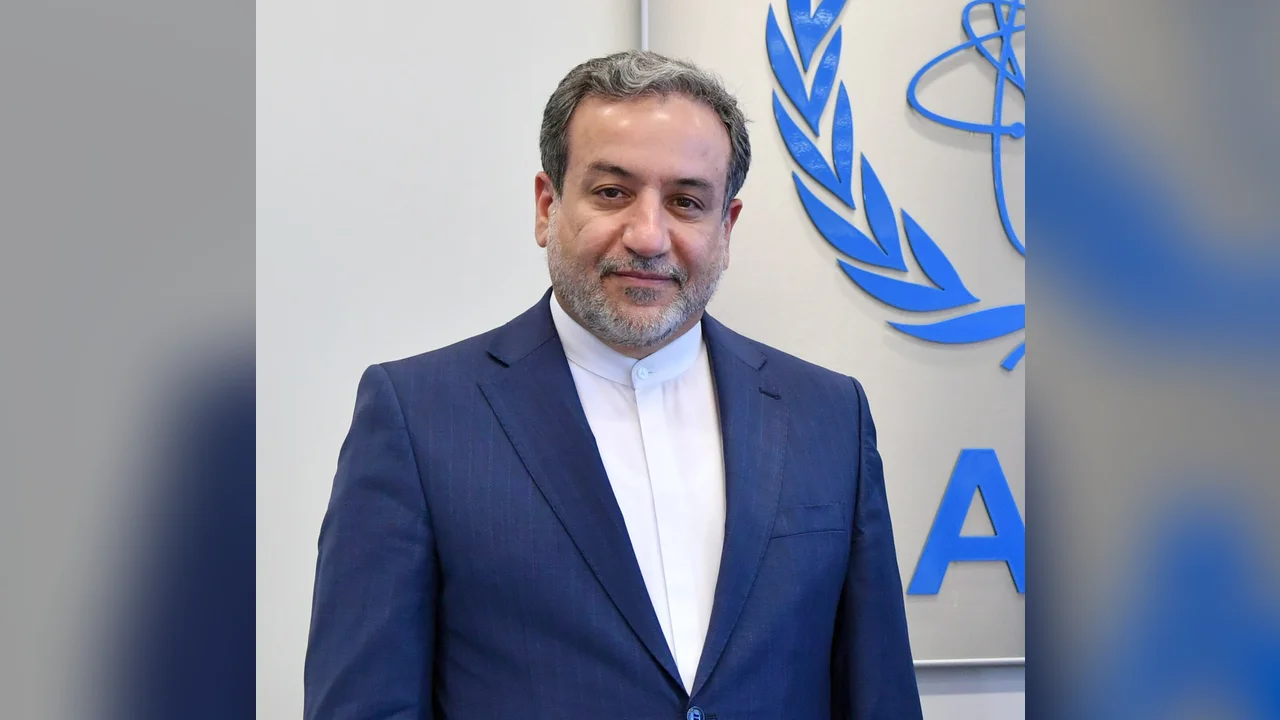
US Lawmakers Challenge Strategic Ambiguity Over Israel's Nuclear Program
US lawmakers are challenging the traditional policy of strategic ambiguity regarding Israel's nuclear program, raising concerns about regional security and military contingencies.
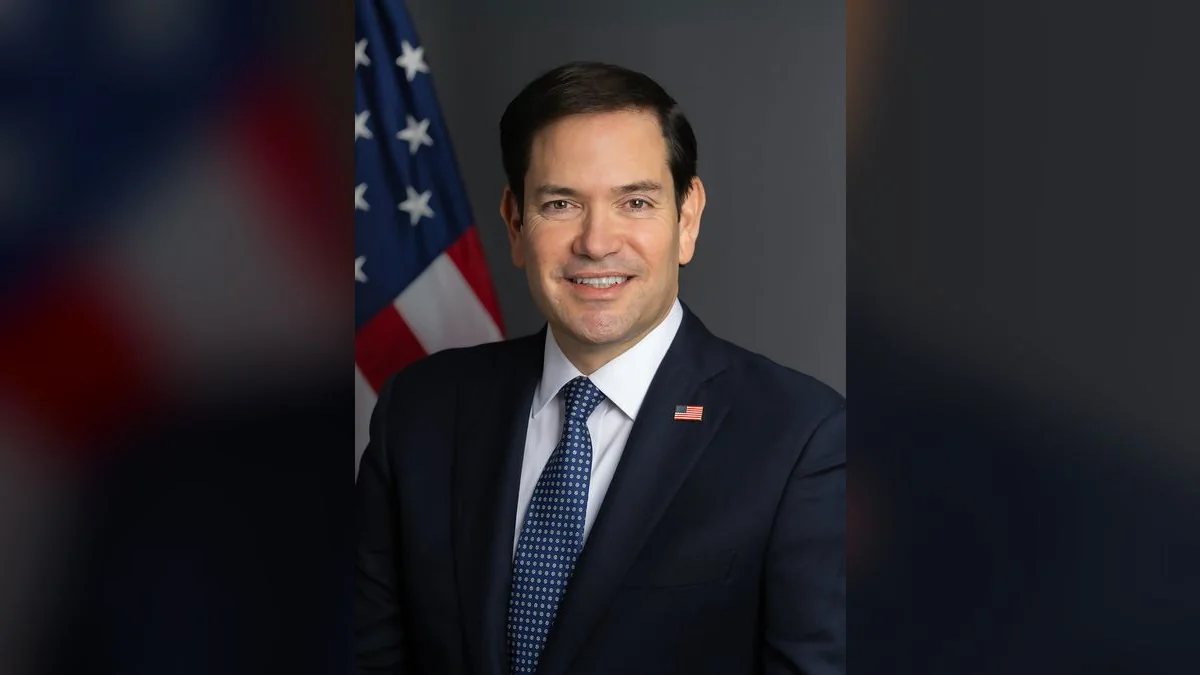
The longstanding US policy of strategic ambiguity regarding Israel's nuclear program is facing unprecedented scrutiny from lawmakers and shifting geopolitical pressures. According to recent reports, Democratic Representative Joaquin Castro challenged US Secretary of State Marco Rubio during a congressional hearing, arguing that the decades-old stance is outdated and potentially dangerous.
Congressional Pressure and Rubio's Stance
During a public session in June, Castro pressed Rubio on the necessity of maintaining the policy while US military forces are deployed in the region. Castro emphasized the risks of operating alongside a regional partner without explicitly defining redlines for nuclear deployment or having contingency plans for potential impacts on nuclear facilities. Rubio defended the established framework, noting that while much of the world assumes Israel's capabilities, the official policy of omission serves diplomatic stability. The Secretary of State suggested that a classified setting would be more appropriate for such sensitive discussions.
Historical Context and Regional Implications
Experts trace the origins of the ambiguity policy back to Cold War calculations, when both Washington and Jerusalem sought to deter Soviet-backed regional actors while avoiding diplomatic fallout. Israeli Prime Minister Benjamin Netanyahu famously stated in a 2018 interview that Israel would not be the first to introduce nuclear weapons to the region, maintaining the delicate balance of neither confirming nor denying its arsenal. Analysts warn that an official acknowledgment could trigger a wider arms race across the Middle East, intensifying regional instability as tensions persist between Israel and Iran.