CNN Report Details History of Israel's Nuclear Ambiguity and Concealment
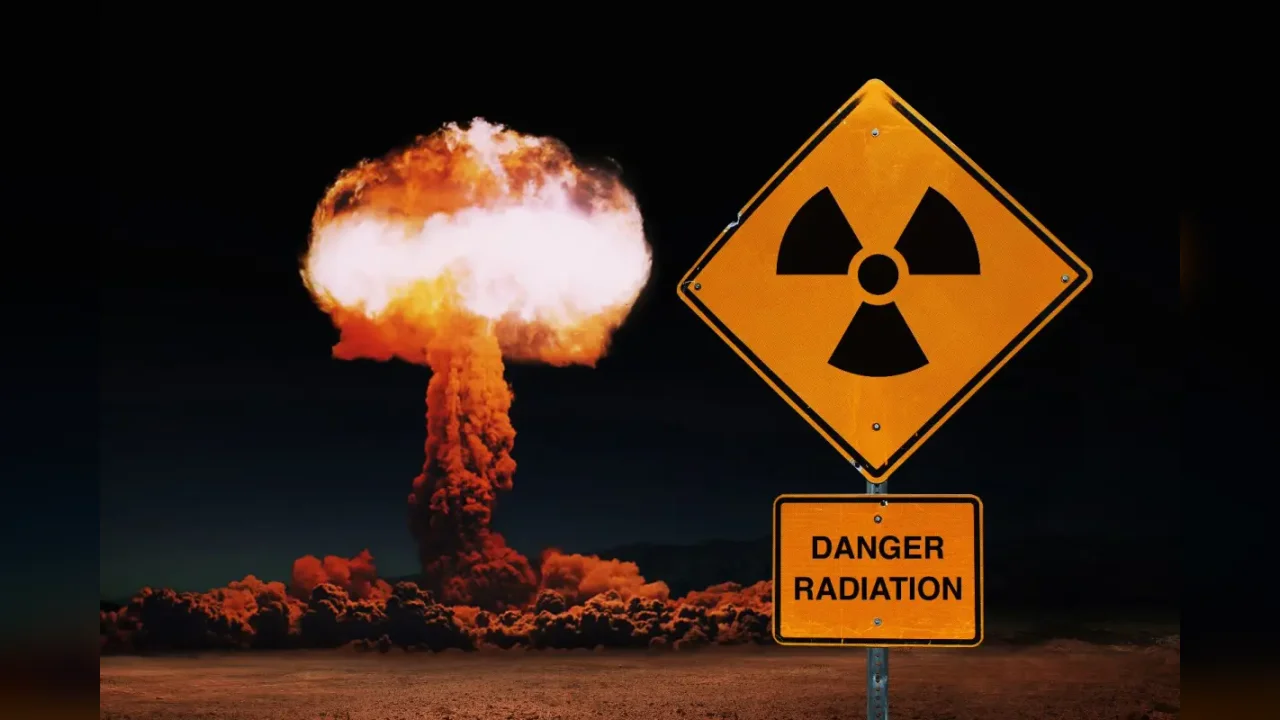
A comprehensive CNN report details the history of Israel's nuclear ambiguity and reveals new insights into decades of concealment. As US lawmakers urge transparency, experts warn that dropping the status quo risks regional proliferation.

For decades, the United States and Israel have maintained a policy of strategic ambiguity regarding Israel's nuclear program, widely considered the Middle East's sole nuclear arsenal. A comprehensive CNN report examines the history of concealment dating back to the early 1960s, when American diplomats flying over the Negev Desert spotted a construction site west of the Dead Sea. When US Ambassador Ogden Reid inquired about the structure, Israeli Finance Ministry official Adi Cohen dismissed it as a "textile factory."
The Evolution of a Cover-Up
The improvised phrase quickly became a popular idiom, recently referenced by Prime Minister Benjamin Netanyahu as a subtle nod to the world's "worst-kept secret." Newly declassified documents and fresh testimonies cited by CNN detail a complex web of deception. Five years after the initial helicopter flight, US officials discovered that hundreds of kilograms of weapons-grade enriched uranium were missing from a Pennsylvania facility—material heavily suspected of being diverted to the Israeli program.
Meanwhile, a recently broadcast documentary titled "The Atom and I," featuring testimonies from former Israeli intelligence officials, revealed that American inspectors never discovered the underground facility beneath the Dimona reactor. Israeli teams routinely constructed temporary false walls to conceal the elevators leading to the subterranean levels before inspectors arrived.
Mounting US Pressure
Amid regional nuclear developments and the ongoing shadow war against Iran, voices within the United States are increasingly calling to abandon the long-standing status quo. Democratic lawmakers argue that ignoring the arsenal is no longer tenable, particularly as debates over military aid continue.
Representative Joaquin Castro of the House Foreign Affairs and Intelligence committees told CNN that the ambiguity policy is "outdated and irresponsible." Castro emphasized that it is dangerous for Washington to fight alongside Israel without knowing its nuclear red lines or having contingency plans for potential deployment.
Conversely, strategic experts warn against the severe ramifications of an official acknowledgment. Georgetown University Professor Matthew Kroenig noted that a formal declaration could trigger regional proliferation, spark international sanctions against Israel, and undermine US credibility. The State Department, the White House, and the Israeli Embassy in Washington all declined to comment on the report.