Turkey Fields World's First Unmanned Fighter Jets in Major Defense Milestone
Baykar has delivered the first three Bayraktar Kizilelma unmanned fighter jets to Turkish security forces, marking a milestone as the world's first operational integration of an uncrewed combat aircraft capable of air-to-air missions.
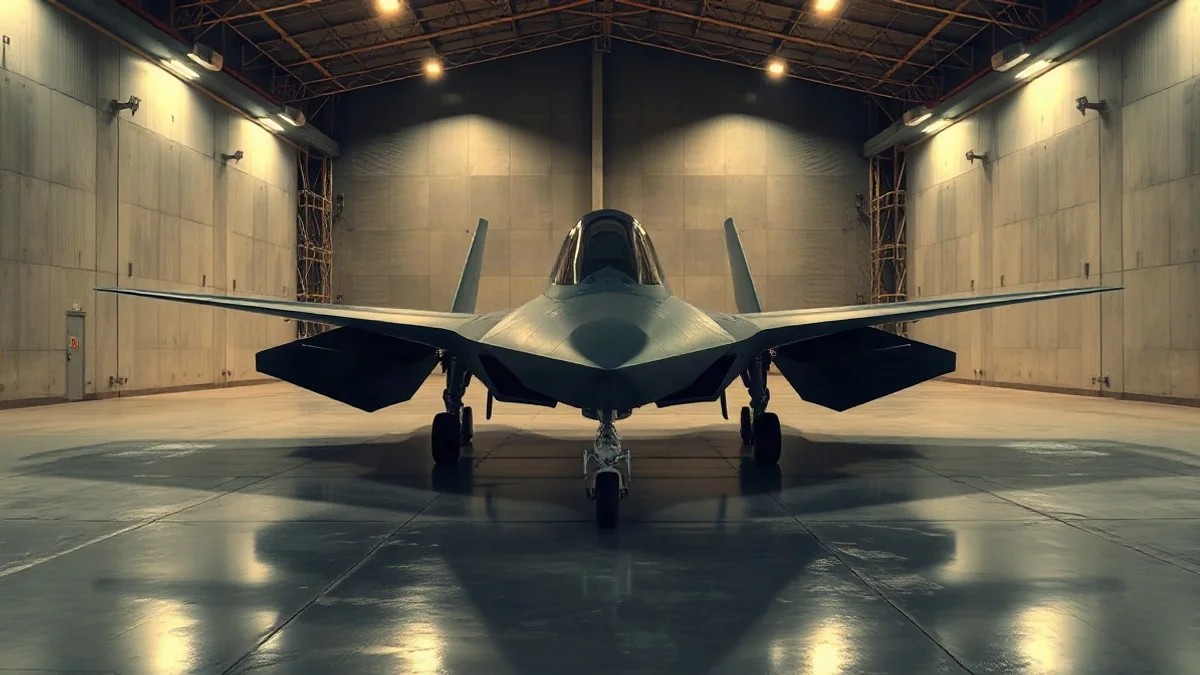
Turkish defense manufacturer Baykar has officially delivered the first three Bayraktar Kizilelma unmanned combat aerial vehicles to the nation's security forces following successful testing. The company describes the milestone as the world's first operational integration of an uncrewed fighter jet. Unveiled in 2021, the project has accumulated approximately 600 test and training flights. The platform marks a transition from traditional drones utilized primarily for intelligence gathering and limited strikes to a new era of aircraft designed to execute crewed fighter missions, including air-to-air combat and deep strikes.
Technical Specifications and Operational Capabilities
The aircraft features a reported maximum speed of Mach 0.9, with future iterations planned to achieve supersonic speeds. The platform boasts an endurance of over three hours and an operational radius of approximately 925 kilometers, with a payload capacity of about 1,360 kilograms. In November 2025, during a live-fire interception trial, the aircraft fired a domestically produced air-to-air missile that neutralized a jet-powered target beyond visual range, assisted by a locally developed Murad active electronically scanned array radar. Furthermore, advanced formation flight capabilities were demonstrated in May 2026 alongside Italian M-346 trainer and fighter aircraft as part of developing mixed crewed and uncrewed operational concepts. The platform is scheduled to operate alongside Turkey's crewed TF Kaan fighter, with a naval variant also under development for operation from short-takeoff aircraft carriers.
Global Reactions and Strategic Context
The induction of the Kizilelma into active service has drawn substantial international attention. British aerospace analysts noted that Turkey has become the first nation to field an unmanned fighter jet, while the United States is pursuing comparable initiatives. Greek media outlets highlighted financial comparisons regarding domestic unmanned aerial vehicle funding, alongside the platform's low radar cross-section despite its substantial dimensions. Meanwhile, export momentum is building, underscored by an agreement with Indonesia for 12 aircraft with deliveries scheduled to commence in 2028.
Strategic Questions and Global Arms Race
Military experts point to remaining open questions regarding the deployment. The specific military branch that received the platform was not officially disclosed, although ceremony documentation suggests the Turkish Land Forces Command. Additionally, authorities have yet to clarify whether the platform executes all interception and strike phases autonomously or remains dependent on human operators. This deployment unfolds amid a broader global arms race. In the United States, the Collaborative Combat Aircraft program delivered multiple test aircraft to the U.S. Air Force operational test unit in September 2026, where one vehicle test-fired an AMRAAM missile. China has also fielded the GJ-11 stealth combat drone and Australia advances the MQ-28 Ghost Bat, though U.S. and Chinese efforts focus primarily on wingman roles or air-to-ground missions, distinguishing the Turkish platform's emphasis on air-to-air combat capabilities.