Ex-Air Force Commander Warns Against Endless Conflict Rounds With Iran
Former Israeli Air Force air defense chief Zvika Haimovitch warned that Israel cannot sustain endless military rounds against Iran, urging clear strategic goals and questioning unilateral action scenarios.
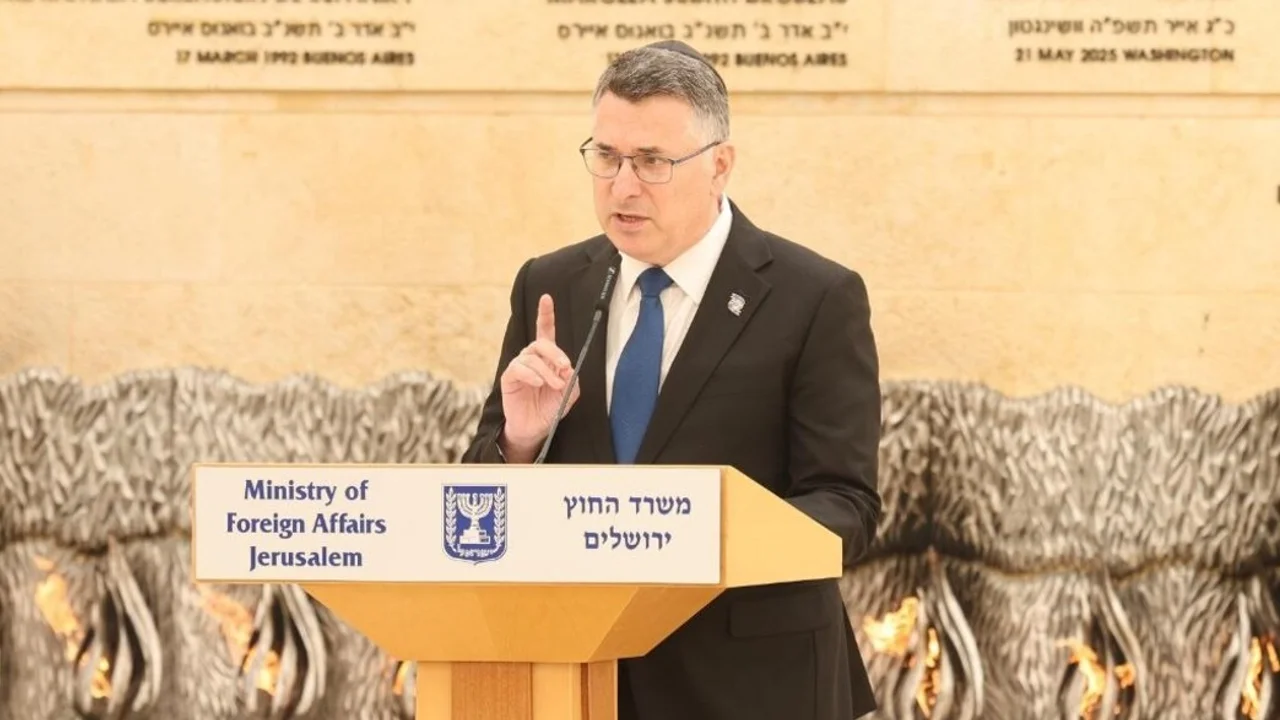
Israel cannot sustain a recurring cycle of military rounds against Iran without causing severe domestic and international strain, according to Brigadier General (Res.) Zvika Haimovitch, former commander of the Israeli Air Force Aerial Defense Division. Speaking to local media, Haimovitch criticized the ongoing strategy of managing intermittent conflicts, warning that the home front, economy, and regional alliances cannot endure endless engagement.
Strategic Objectives and the Threat of Independent Action
Addressing the lack of decisive outcomes in past engagements, Haimovitch argued that adopting the terminology of fighting terrorist organizations like Hamas and Hezbollah is fundamentally ineffective against a state adversary like Iran. He emphasized the necessity of aligning political goals with clear military objectives equipped with defined exit strategies.
"We adopted terminology borrowed from the world of Hamas and Hezbollah regarding rounds of combat. Against Iran, this cannot work," Haimovitch stated.
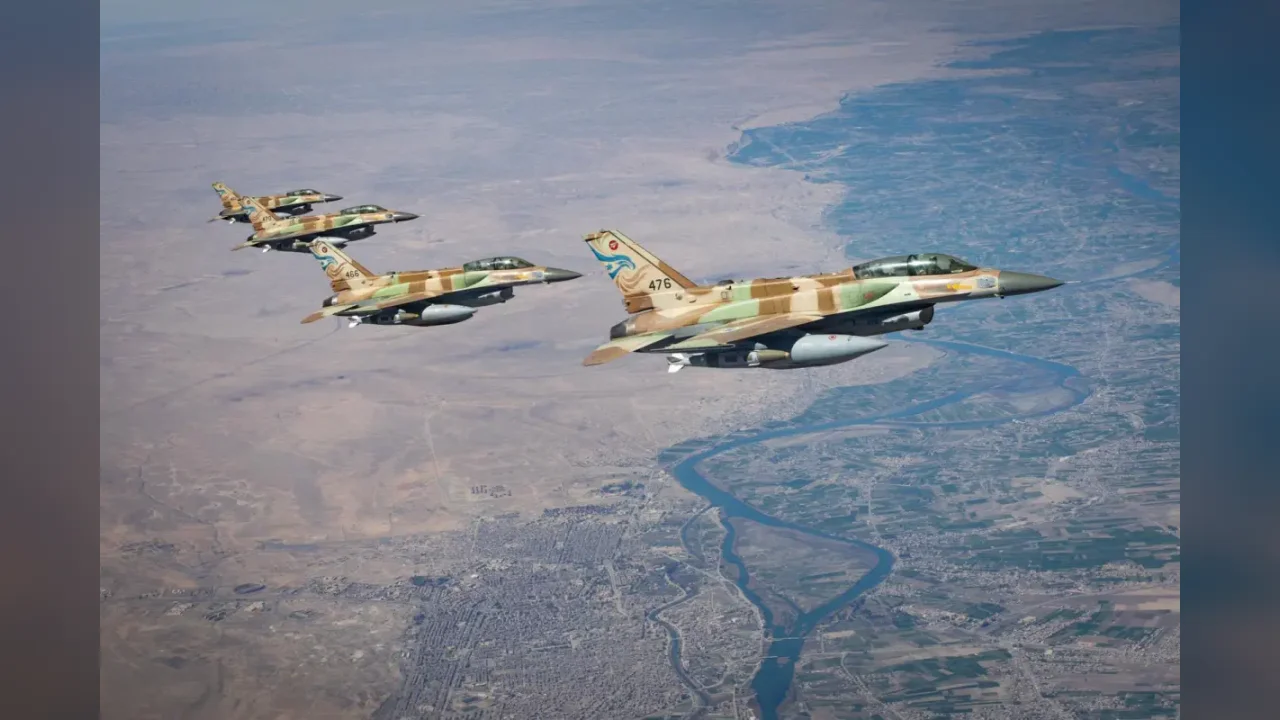
Turning to reports regarding a potential unilateral military campaign without American backing, Haimovitch affirmed that the IDF possesses the operational capability to act independently, noting precedent from previous conflicts prior to Operation Roaring Lion.
Potential Escalation Scenarios and Radiological Concerns
Haimovitch outlined four prospective scenarios for a renewed confrontation with Iran, beginning with an unprovoked Iranian offensive—a dynamic contrasting sharply with historical precedents. The remaining three scenarios involve Israeli-initiated campaigns conducted either in full joint coordination with the USA, in partial coordination, or completely independently, though he assessed a fully unilateral action as highly unlikely.
Concluding with reports concerning possible Iranian plans to deploy dirty bombs against the USA, Haimovitch expressed skepticism regarding Tehran's current possession of such radiological weapons. Nevertheless, he warned that Israel and its allies must prevent Iran from acquiring any weapons of mass destruction, encompassing nuclear, chemical, or biological capabilities.