IDF Adapts Procurement Strategy to Embrace Cost-Effective Missile Defense
As regional conflicts demand vast quantities of affordable munitions, the IDF is shifting toward pragmatic procurement strategies, upgrading David's Sling for ballistic missile defense while facing unresolved budgetary hurdles.
A comprehensive mapping of the bottlenecks slowing down the IDF procurement rate of vital systems and capabilities highlights a critical turning point as regional hostilities extend. The primary test for the military and the Ministry of Defense will be implementing recommendations from a team led by retired Major General Amir Abulafia, requiring substantial effort and operational flexibility.
Shifting Toward the Good Enough Approach
As modern conflicts endure and fronts are flooded with massive quantities of inexpensive yet highly accurate and lethal strike assets, reliance on high-end boutique weaponry is no longer sufficient. High unit costs and strict limitations on mass production make exclusive high-end munitions impractical for protracted campaigns. Lessons from recent battlefields across the Middle East and Eastern Europe are compelling the IDF and other Western militaries to embrace a pragmatic Good Enough doctrine. This strategy prioritizes capabilities that successfully achieve operational objectives, even when utilizing missiles or munitions that lack the ultra-advanced classification of top-tier arsenal items. While military officials recognize this is not an ideal baseline, operational realities dictate pragmatic adaptation.
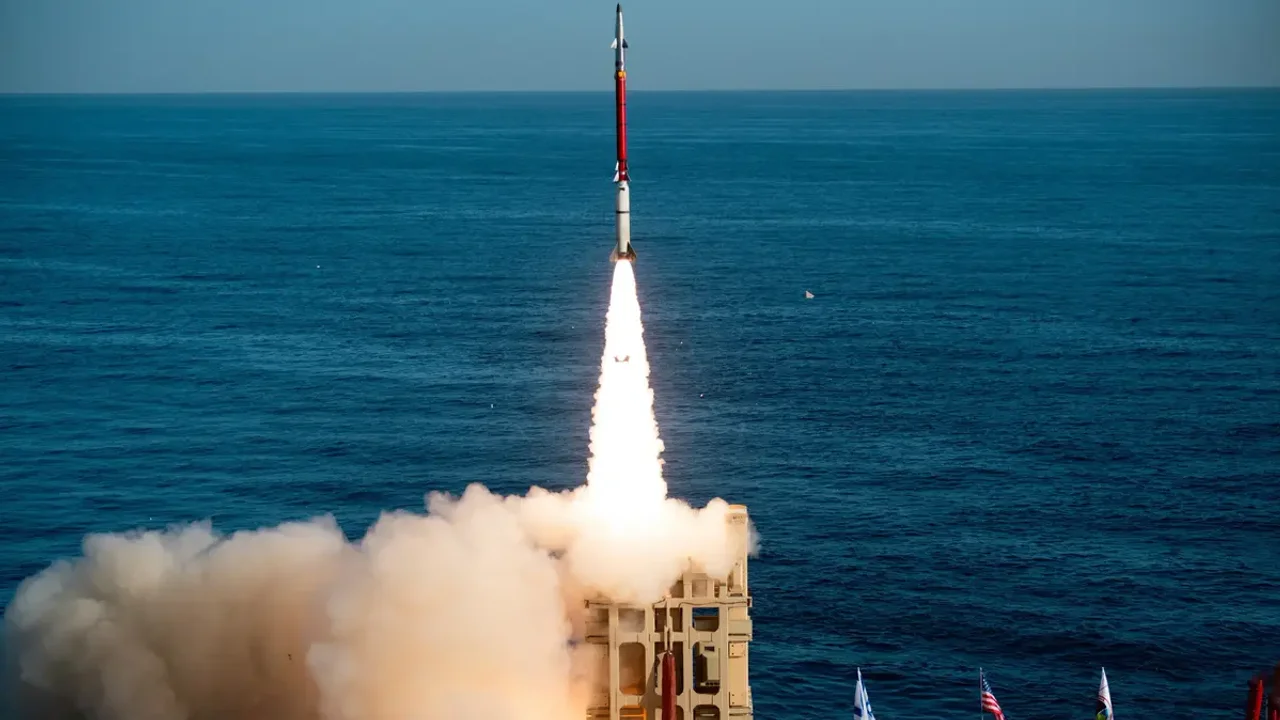
Recent defense reports illustrate this transition through the ongoing upgrade of Rafael's David's Sling air defense system, which is being adapted to intercept ballistic missiles. The majority of ballistic missiles launched toward Israel from Iran and Yemen have previously been intercepted by Israel Aerospace Industries Arrow 3 missiles, which are designed for exo-atmospheric intercepts. Expanding the operational envelope of David's Sling to address ballistic threats exemplifies the Good Enough framework. David's Sling is a sophisticated and effective system, yet its interceptor missiles are significantly more cost-effective than Arrow missiles, and the defense establishment maintains larger stockpiles of these munitions. These economic and inventory considerations will shape future conflict scenarios with Iran, though defense experts note that civilians may notice operational differences between exo-atmospheric Arrow intercepts and lower-altitude David's Sling engagements.
Budgetary Hurdles and Long-Term Planning
Beyond technological adjustments, the primary obstacle facing the Ministry of Defense and the IDF in streamlining military procurement remains financial. The defense budget for the upcoming period remains unfinalized, while defense officials await an additional allocation of 25 to 30 billion shekels to fulfill operational requirements. Defense authorities emphasize that procurement efficiency depends entirely on stable, multi-year budgeting that enables long-term planning, effective bargaining with suppliers, and subsequent cost reductions. However, when the defense budget is initially underfunded, artificially inflated mid-year to meet urgent operational demands, and lacks final clarity late into the fiscal cycle, strategic recommendations for optimal procurement management remain severely constrained.