Taub Center Study Highlights Gaps and EpiPen Shortages in Israeli Schools
A Taub Center study reveals that 27% of Israeli schools lack adequate EpiPen supplies amid a sharp rise in reported food allergies and socioeconomic disparities in medical access.
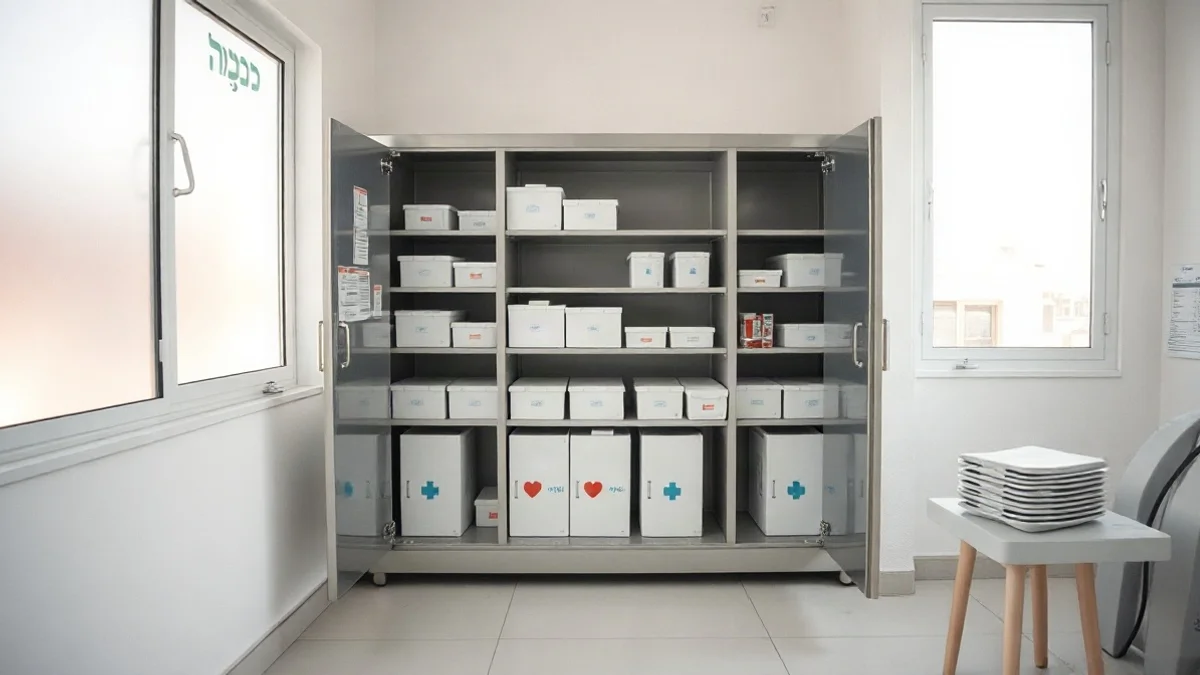
A new study by the Taub Center reveals significant gaps in how Israeli schools handle food allergies, noting that 27% of surveyed schools lack sufficient or reliable access to EpiPen injectors. Researchers point to a sharp rise in reported food allergies among students, alongside stark socioeconomic disparities and questions regarding the effectiveness of current policies.
Surge in Reports and Policy Concerns
Between 2021 and 2025, the proportion of students whose parents reported food sensitivities more than doubled, climbing from 1.22% to 2.52%—an absolute increase from 23,294 to 50,571 students. However, researchers Dr. Sarit Silverman and Prof. Nadav Davidovitch emphasize that these figures rely on parental declarations rather than verified medical diagnoses.
The study challenges the Ministry of Education's sweeping ban on bringing specific allergens onto school grounds. Researchers note that this model is unusual internationally and lacks documented evidence proving it reduces life-threatening anaphylactic reactions. Similarly, the medical assistant model for first and second graders lacks research backing, while municipalities struggle to recruit aides and families face barriers in obtaining required specialist approvals.
Socioeconomic Disparities in Diagnosis
Data highlights an eightfold gap between strong and weak municipalities. In the 2024-2025 school year, reported food sensitivities reached 5.06% in high socioeconomic clusters compared to just 0.65% in the lowest. Researchers explain that obtaining an aide requires certification from an allergy specialist, creating hurdles for families unable to afford private healthcare.
«The entitlement to an aide is uniform on paper, but securing it requires a specialist's diagnosis, and access to diagnostics is not equal across the country.»