Surge in Calls to Israeli Men's Sexual Assault Hotline Following War
Israel's national hotline for male sexual assault victims saw calls surge to 3,500 in 2025. Public discourse around captivity trauma has shattered decades of silence.
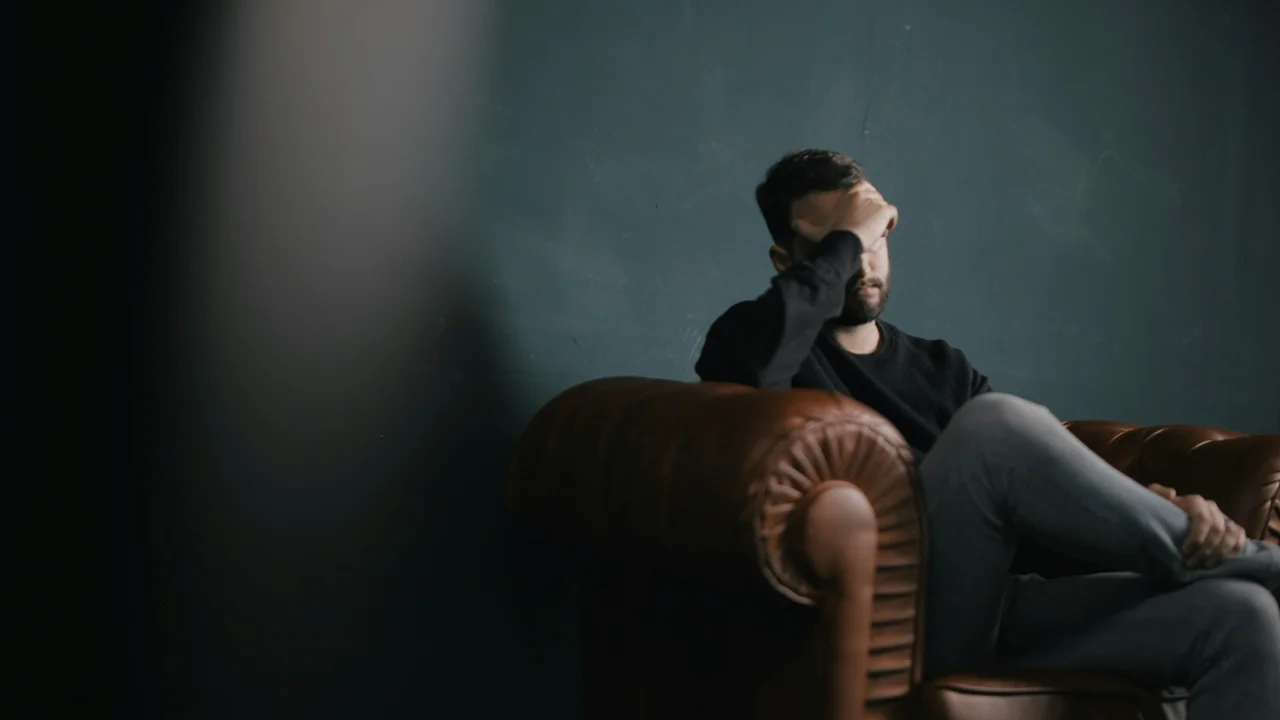
The national crisis hotline for male victims of sexual assault has recorded a dramatic surge in calls since the outbreak of the war on October 7, 2023. According to data released by support centers, the number of inquiries reached approximately 3,500 in 2025, marking a jump of dozens of percentage points compared to the preceding two years.
Eran Hahn, director of the hotline, noted that while the initial weeks following the October 7 massacres were unusually quiet as private trauma took a backseat to the national emergency, calls soon flooded in. Orit Solitsiano, CEO of the Association of Rape Crisis Centers in Israel, explained that the relentless public discourse surrounding sexual violence during the Nova music festival and in captivity has resonated throughout Israeli society, enabling many men to break decades of silence.
Breaking Decades of Silence
The rising call volume highlights that sexual abuse among men is far more prevalent than commonly perceived. Deep-seated stigmas, societal prejudices, and the false notion that physical strength precludes victimization have historically kept male survivors silent. However, the open public discussion surrounding combat PTSD and the testimonies shared by returning male hostages have shattered long-standing taboos, giving men the legitimacy to seek help.
Neta Patrick, director of the Tel Aviv Rape Crisis Center, emphasized that sexual assault against men is often erroneously viewed as contradicting traditional notions of masculinity. The courage shown by survivors like Guy Gilboa-Dalal, who publicly detailed the sexual abuse he endured in captivity, has driven an unprecedented wave of disclosures, compelling society to confront an issue that has long remained in the shadows.
Institutional Challenges Ahead
Despite the growing willingness of men to step forward, systemic challenges persist. The Ministry of Welfare offers only partial therapeutic resources, and demand vastly outstrips supply, leading to lengthy waiting lists. Experts stress that the state must ensure professional, accessible, and tailored psychological support accompanies the shifting public discourse to properly aid male survivors on their path to healing.