Study Finds Microplastics in Instant Noodle Cups Leaching from Packaging
A new study reveals that disposable instant noodle cups release hundreds of microplastic particles into boiling water. While health risks remain unclear, experts suggest transferring noodles to ceramic bowls.
Instant noodles in a cup have long been a convenient choice for a quick meal, requiring only boiling water and a few minutes of waiting. However, a new scientific study raises questions about the packaging itself, asking whether prolonged contact with hot water causes plastic particles to leach into the food.
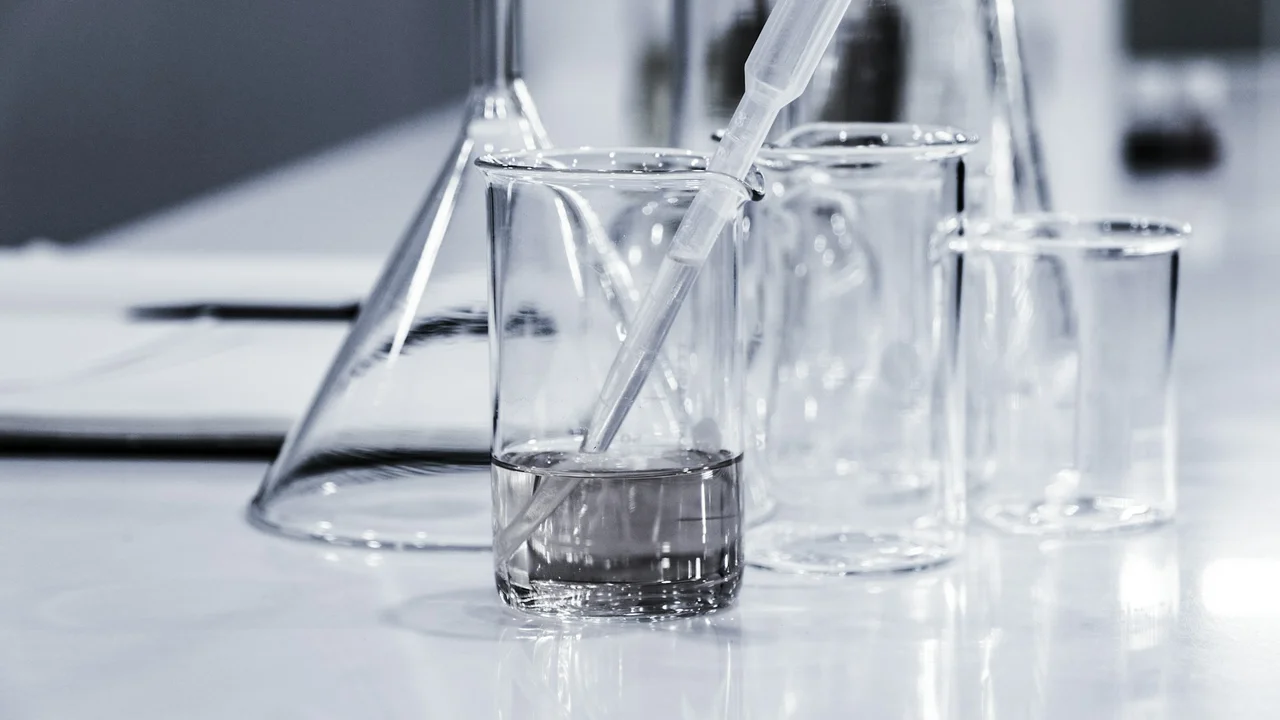
The study, published in October 2026 in the scientific journal Journal of Food Composition and Analysis, examined disposable noodle cups from ten brands sold in China, Japan, South Korea, and Thailand. Researchers purchased two cups from each brand, testing a total of 20 samples.
What Did the Researchers Find?
Microplastic particles were detected in all 20 samples, with an average of approximately 318 particles per cup. Among the materials identified were polyethylene—a plastic commonly used as an inner coating layer in paper packaging—as well as synthetic fibers. This means that packaging appearing externally to be paper or cardboard may contain a plastic layer that comes into direct contact with hot water and food.
To simulate the noodle preparation process, researchers poured half a liter of water at approximately 95 degrees Celsius into each cup, covered it, and waited 15 minutes. The cups were then left for an additional 20 minutes before the liquid was analyzed, meaning the water remained in contact with the packaging for more than half an hour.
Is There Cause for Concern?
While the findings merit serious attention, experts advise against concluding that instant noodles are unsafe to eat. The study examined a relatively small sample size, and the researchers noted several limitations. For instance, synthetic fibers were also found in control samples tested without noodle cups, suggesting potential contamination during the testing process. Furthermore, the measurement method could not detect particles smaller than 20 micrometers.
The researchers also surveyed 40 adults aged 18 to 50 to estimate exposure based on consumption frequency, calculating that students might ingest roughly 517 microplastic particles per week from cup noodles, compared to about 119 for working adults. Experts emphasize that the health impact of ingesting microplastics remains unclear, and the European Food Safety Authority notes that knowledge regarding dietary exposure levels and health effects is still limited.
Practical Alternatives
The simplest change consumers can make is to transfer the noodles and seasoning from the disposable cup into a glass or ceramic bowl before adding boiling water. Alternatively, consumers can choose instant noodles designed for pot cooking on a stove or use microwave-safe containers that comply with manufacturer guidelines.