Europe Restaurant Water Safety Warning Issued Following Major Hygiene Inspections
Recent European investigations reveal that over half of inspected restaurants in Italy failed hygiene checks on filtered water systems, raising safety concerns for travelers alongside soaring tourism taxes across the continent.
Travelers heading to Europe face growing concerns over dining safety as new investigations reveal widespread hygiene violations in restaurant water systems across the continent.
Hygiene Failures in Italian Restaurants
Recent reports bring back to the spotlight a major inspection campaign conducted by the Italian Ministry of Health, which exposed severe sanitation flaws in water dispensing systems at restaurants and bars. Out of 272 establishments inspected across Italy, inspectors found violations in 147 businesses, accounting for roughly 54 percent of all tested sites.
The findings highlighted deceptive water labeling, maintenance neglect, and serious hygiene hazards, including dirty pipes, a lack of filter-replacement records, and reusable serving bottles that missed proper sterilization. Consequently, authorities temporarily closed 10 businesses and imposed fines totaling around 175,000 euros. Italian consumer organizations branded these figures as alarming and urged stricter enforcement, particularly in busy tourist hotspots.
The Trap of Filtered Table Water
Unlike natural mineral waters bottled at certified manufacturing facilities under strict regulations, numerous European eateries have shifted toward serving filtered table water. These establishments take ordinary tap water, filter, chill, or carbonate it on-site, and present it in branded glass bottles, partly to cut down on plastic consumption.
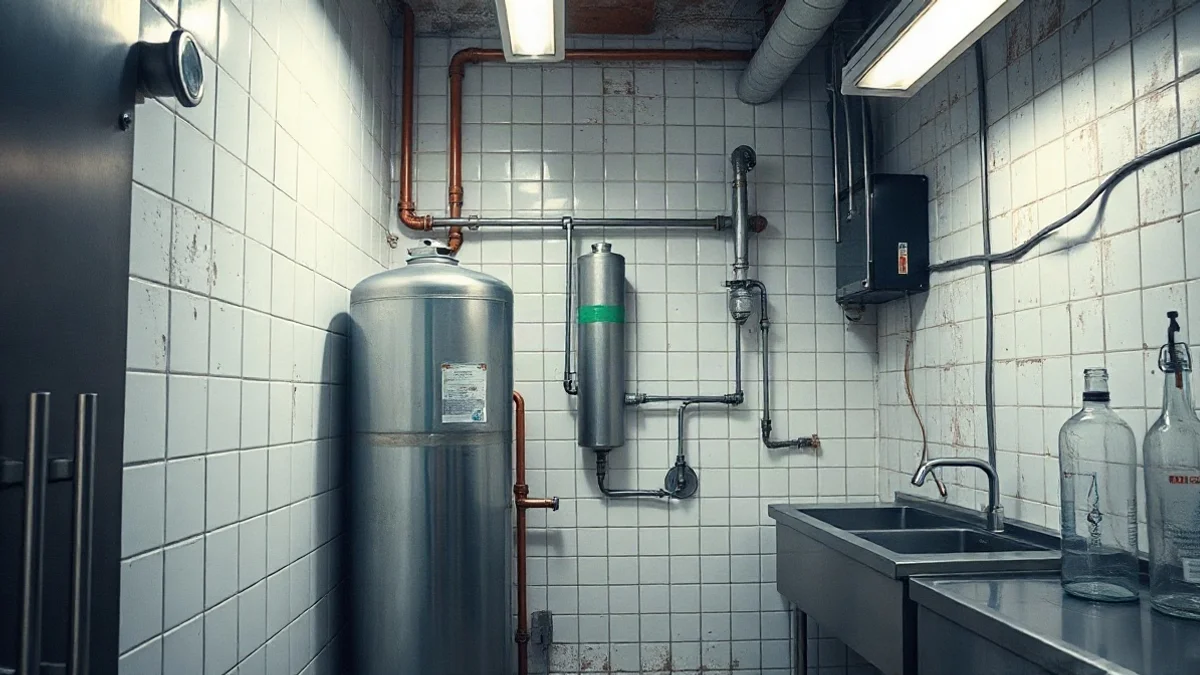
However, without rigorous maintenance, these filtration units can easily turn into breeding grounds for bacteria. The Portuguese Restaurant and Hotel Association recently warned against microbiological contamination and the formation of biofilm, a layer of microorganisms developing inside uncleaned pipes and water tanks. Even in destinations where municipal tap water is considered safe, aging internal restaurant plumbing can compromise quality, while countries like Bulgaria and Romania already recommend avoiding tap water entirely.
Practical Safety Tips for Dining Abroad
To minimize health risks while dining out in Europe, consumer advocates recommend following several practical guidelines:
- Insist on sealed bottles: Order original bottled mineral water and verify that the waiter opens it right at your table. If a bottle arrives already open, request an immediate replacement.
- Clarify water origins: Do not assume that a sleek glass bottle guarantees natural mineral water. Ask staff whether the water comes factory-sealed or from an on-site filtration system.
- Look beyond carbonation: Fizzy water is no guarantee of mineral origin, as local filtered water often undergoes on-site carbonation as well.
- Exercise caution with ice: In regions where tap water is discouraged, avoid adding ice cubes to beverages, as they are typically made from standard tap water.
Rising Travel Costs Across Europe
Water safety concerns coincide with a wave of new price hikes and tourist taxes affecting holidaymakers across Europe. Popular destinations have introduced or significantly raised visitor levies to curb overtourism. Amsterdam approved an increase in its overnight lodging tax to 16 percent starting in 2027, Malta is raising its environmental contribution to between 8 and 10 euros per night, Venice continues charging daily entrance fees for day-trippers, and the United Kingdom is advancing new accommodation levies, making European travel increasingly expensive.