Panel Recommends Flexible Hours and Specialist Additions for Medical Residents
An expert panel recommends maintaining reduced shift hours for medical residents in peripheral hospitals while introducing flexible schedules, specialist staffing additions, and strict exemption criteria.
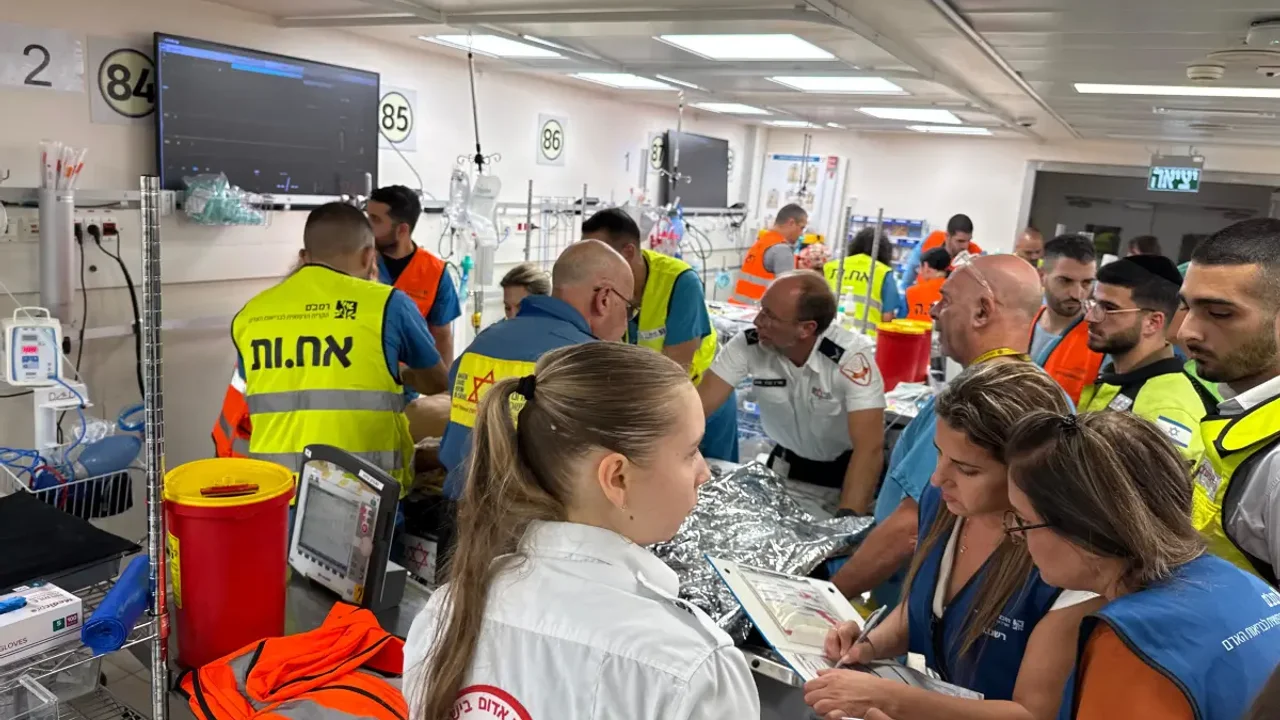
An expert committee reviewing the reduction of shift hours for medical residents in peripheral hospitals recommends maintaining the policy while introducing flexible working hours, staffing enhancements, and clearly defined exemption criteria. The new guidelines aim to balance residents' improved well-being with senior physicians' concerns over clinical training and continuity of care.
Flexible Hours and Exemption Criteria
Led by Prof. Shlomi Codish, director of the Soroka Medical Center, the panel proposes that departments be allowed to schedule the start of a shift between 11:00 and 14:00, and its conclusion the following day between 8:00 and 11:00. This maintains a maximum working framework of 19 hours, plus up to two additional hours including handover. The advisory group also recommends enabling hospital managements to apply for exemptions from the shortened shifts in specialized fields such as dermatology, geriatrics, nephrology, rehabilitation, oncology, and hematology.
Approved exemptions would be conditional upon three cumulative requirements: an average of up to six shifts per month per resident over a half-year period, a guaranteed minimum of three consecutive hours of sleep between midnight and 6:00, and standardized accommodations for the on-call room. Furthermore, during designated sleep hours, mandatory alternative coverage for all departmental needs must be provided, including a suspension of patient admissions.
Differing Perspectives Among Medical Staff
Data collected in a committee survey conducted in May 2026 revealed a stark divide between residents and senior staff. Approximately 75% of the 184 participating residents expressed satisfaction with the current reduced-shift format, with 90% reporting arriving fresher for duty and 88% believing they provide better patient care. However, among 98 senior physicians and department heads surveyed, 81% warned that clinical training has been compromised, 78% cited disruptions to continuity of care, and 63% noted a decline in departmental service.
"The panel believes that the next phase is not a step backward, but rather a transition from a rigid uniform framework to a more flexible and differential model," Prof. Codish stated.
Staffing Reinforcements and Budget Priorities
To address morning staffing shortages caused by residents' rest periods, the committee recommends adding a specialist physician position to every department implementing the shortened shifts. Departments may alternatively request authorization to convert the annual cost of this additional specialist position into equivalent support staff. The panel advises against expanding the policy to additional medical specialties in the peripheral region at this stage, maintaining strict prerequisites until specific workforce benchmarks are met.
Finally, the committee urges the establishment of a dedicated administration within the Ministry of Health alongside a professional knowledge body to oversee implementation, monitor data, and assist hospitals in refining work schedules and training frameworks.