Parents of Boy Who Died from Brain-Eating Amoeba Share Heartbreaking Story
Parents of nine-year-old Baruch Neriah Govani, who died from a rare brain-eating amoeba after swimming in the Sea of Galilee, share their tragic story and organ donation legacy.

The parents of nine-year-old Baruch Neriah Govani, who tragically passed away from a rare infection caused by the brain-eating amoeba Naegleria fowleri after swimming in the Sea of Galilee, have shared their painful ordeal in a first interview. The family, residing in Pardes Hanna-Karkur, recounted how a joyful summer family trip turned into a fatal nightmare at the start of the school year.
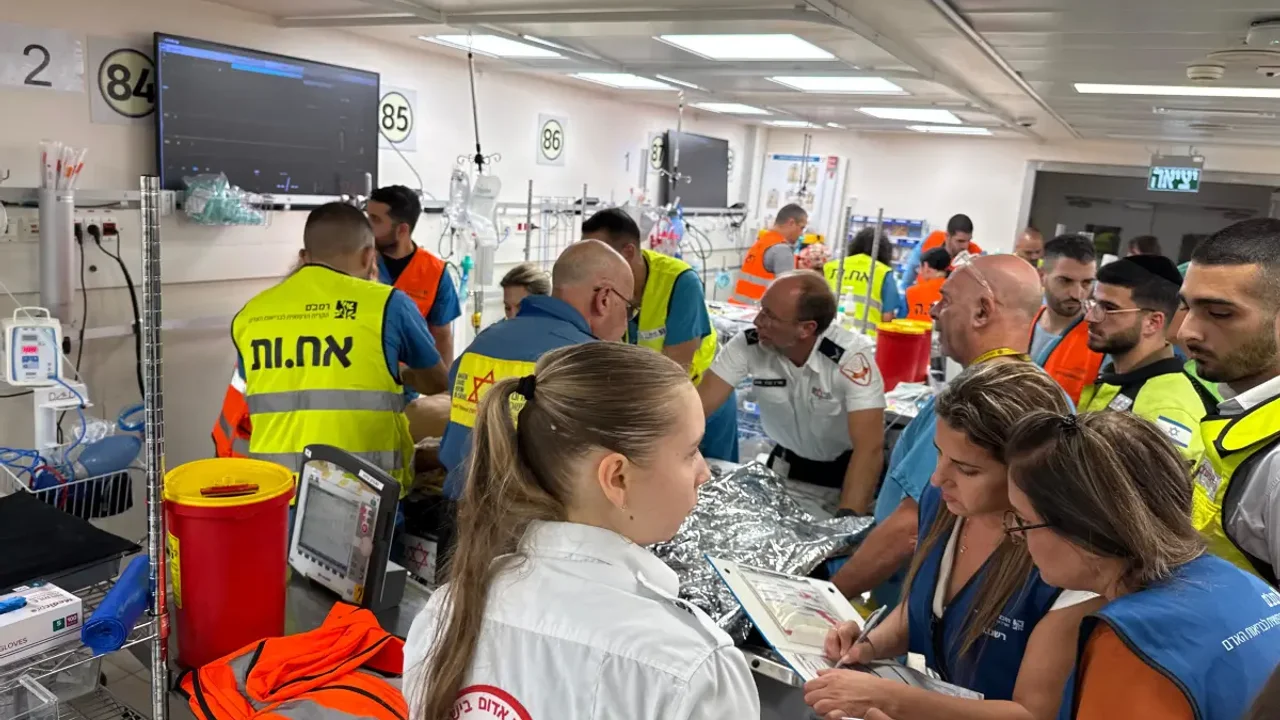
The chain of events began when Baruch returned to school for the third day of fourth grade and woke up with severe headaches and vomiting. Initially suspected of suffering from dehydration or reluctance to attend class, his condition rapidly deteriorated. After medical examinations at Hillel Yaffe Medical Center in Hadera, he was transferred to Rambam Health Care Campus in Haifa, where deep medical investigations identified the rare amoeba infection.
The Battle and Final Moments
Medical teams placed Baruch under sedation and connected him to a ventilator in the pediatric intensive care unit, while biological samples were verified by Ministry of Health laboratories. Despite intensive efforts by medical professionals and widespread public prayers across Israel, the infection proved insurmountable.
His parents recalled the devastating process of being called to say goodbye multiple times before doctors ultimately declared brain death. Health authorities note that infections by Naegleria fowleri are extremely rare globally, with fewer than 500 documented cases worldwide and only three diagnosed in Israel over recent years.
Legacy of Giving
In the midst of their profound grief, the parents made the courageous decision to donate Baruch's organs, saving the lives of four other children. They described their son as an exceptionally giving and joyful child who constantly sought to help others.
To honor his memory, the family has initiated a project to write a Torah scroll in his elevation. Meanwhile, health officials continue to monitor water-related risks during recreational seasons, underscoring the severity of such rare environmental pathogens.