Police Presence in Hospitals: Are Israeli Medical Teams Better Protected?
A civic monitoring report reveals that despite nearly full police staffing across Israeli hospitals, medical staff face ongoing violence, highlighting critical gaps in community clinics and 24-hour protection.
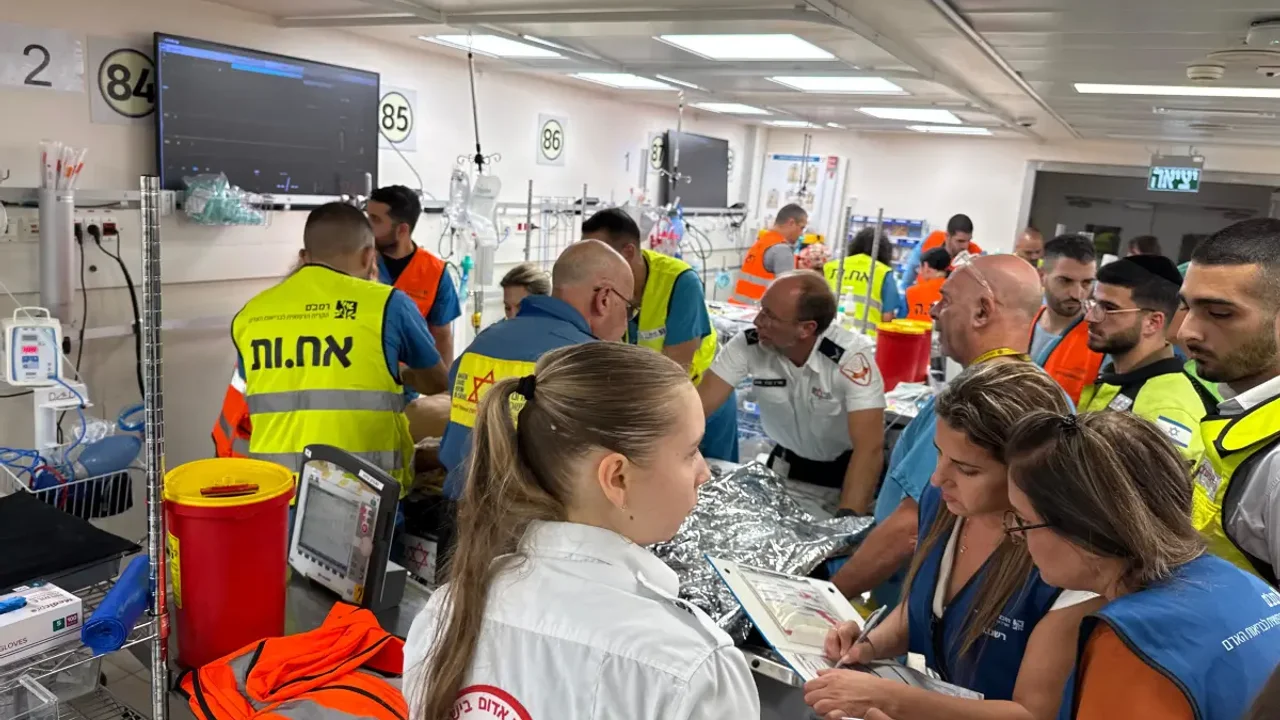
A comprehensive civic monitoring report by the Citizens Empowerment Center and local media examines the implementation of government resolutions aimed at curbing violence against medical staff in Israel. Despite years of policy initiatives and police deployments in hospitals, healthcare professionals continue to face persistent physical and verbal assaults, raising fundamental questions about the actual level of security provided to doctors and nurses.
Evolution of Security Measures in Healthcare Facilities
Violence against medical personnel remains a chronic issue, with emergency departments serving as the primary flashpoints. According to Knesset Research and Information Center data, governmental hospitals recorded between 625 and 861 violent incidents annually between 2018 and 2021, with physical assaults increasing from 38% to roughly 50% of the total cases. To address this crisis, successive government resolutions mandated a permanent police presence in medical centers.
Under Government Resolution 2712 of June 2017 and Resolution 1527 of May 2022, authorities sought to establish dedicated police posts across general hospitals. While initial implementation stalled due to budgeting disputes and inter-ministerial friction, recent figures from the Israel Police indicate that 50 out of 51 allocated officer positions are currently filled across 28 medical facilities.
Persistent Gaps in Community Clinics and Round-the-Clock Protection
Despite the near-complete staffing of hospital police posts, security remains incomplete. Ministry of Health officials noted that major medical centers require at least five officers to ensure round-the-clock protection, whereas current staffing levels typically provide only three officers per facility. Furthermore, hospital-centric policies leave community clinics and mental health facilities largely unprotected, even though data from healthcare providers shows that a significant majority of violent incidents occur outside hospital walls.
"We will continue to act decisively and deploy every necessary resource to safeguard medical personnel, but physical security must extend to every clinic and operating hour," representatives of the Israel Medical Association emphasized following recent assaults.
Data deficiencies further hamper enforcement efforts. The Ministry of Justice revealed that severe violence cases against healthcare workers are not systematically flagged in prosecution databases, making it difficult to track conviction rates without manual file reviews. Experts stress that achieving true security requires expanding police positions for 24-hour coverage, extending protective measures to community healthcare networks, and establishing unified reporting systems across all medical and law enforcement agencies.