Sleep
Found 29 recent publications
New Study Reveals What People Really Say While Talking in Their Sleep
A new study published in the journal Sleep reveals that sleep talking is predominantly negative, featuring frequent cursing and simulating tense daily conflicts.
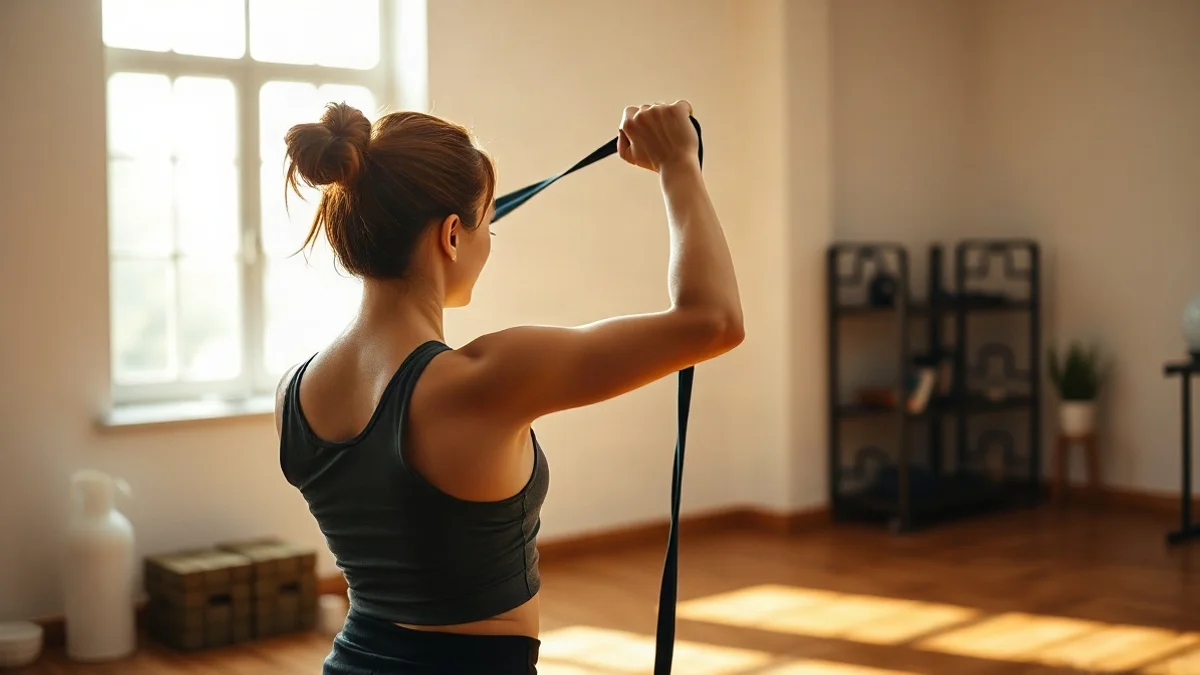
Navigating Menopause: The Essential Guide to Exercise, Sleep, and Nutrition
Menopause brings hormonal changes affecting bones, sleep, and muscle mass. Experts emphasize strength training, proper protein intake, and targeted nutrition for health.
The Bedside Nightmare: Why You Should Never Sleep With Your Dog
Sleeping with your dog in bed may feel cozy, but experts warn of severe sleep disruption and hidden hygiene risks, including dangerous bacterial pathogens transferred to your sheets.
CDC Report Reveals Widespread Fatigue Among Adults and Experts Offer Guidance
A new CDC report shows that 72% of Americans experience fatigue, with 17% reporting frequent exhaustion. Experts discuss modern stressors, lifestyle habits, and medical causes.
What Is Cognitive Shuffling? The Simple Trick That Helps You Fall Asleep
Struggling to fall asleep at night? Discover cognitive shuffling, a simple mental exercise popularized by sleep experts to quiet racing thoughts and help you drift off naturally.
The Mind After Midnight: Why Brain Activity Changes Late at Night
A scientific look at the "mind after midnight" phenomenon, explaining how late-night wakefulness alters brain chemistry, increases impulsivity, and elevates risks of extreme behaviors.
Night Owls Face Higher Risk of Early Retirement and Disability, Study Shows
A new study published in Occupational & Environmental Medicine reveals that "night owls" face a 1.7 times higher risk of early retirement and disability benefits.
Japan Turns National Fatigue Into a Competitive Sleeping Championship in Tokyo
Japan has turned national sleep deprivation into a competitive sport with the "Matt Race" tournament in Tokyo, where contestants competed for a cash prize by falling asleep the fastest.
Trouble Sleeping? Essential Tips to Transform Your Nights for Better Rest
Experts share practical tips for improving sleep quality, including cooling and ventilating the bedroom, blocking out light, and reducing ambient noise according to CDC guidelines.
Late-Night Heavy Meals: Why Eating Before Bed Disrupts Your Sleep
Eating heavy meals late at night impairs digestion and sleep quality. Experts and the CDC advise eating earlier and avoiding large portions before bedtime.
Sleeping with a Light On May Harm Your Heart Health, Study Warns
A recent cardiology study reveals that sleeping with even dim light in the room can thicken heart muscle walls, potentially increasing the risk of future heart problems.
Walking Barefoot on Salt: The New TikTok Sleep Trend Examined
A viral TikTok trend encouraging people to walk barefoot on salt to improve sleep has sparked debate, with sleep experts warning of a lack of scientific backing and potential skin risks.
Why Your Afternoon Coffee Habit Is Ruining Your Sleep Quality
A new Australian study reveals that drinking afternoon coffee can severely impair sleep quality. Experts recommend finishing your last cup at least 8.8 hours before bedtime.
4 Signs Your Smartphone Addiction Is Starting to Harm Your Body
Excessive smartphone use leads to physical issues known as the Phone Body phenomenon, affecting the neck, thumbs, eyes, and sleep quality.
Can a Short Workout Replace Sleep to Boost Brain Power and Memory?
A new study reveals that a 20-minute workout can improve memory after sleep deprivation almost as effectively as a nap, despite exercisers still feeling fatigued.
Did you sleep little all week? This is the number of hours of sleep you should catch up on over the weekend
A new study has found that catching up on sleep on weekends is beneficial for the body. Experts suggest that an extra 1 hour and 27 minutes of sleep is the ideal amount to reduce health risks.
Chasing the "perfect sleep"? It might actually be harming you
Smartwatches promised to help us sleep better, but experts warn that the attempt to achieve a "maximum sleep score" might actually harm us and create anxiety. Expert tips: how to really get a good night's sleep.
Almost half of Israelis admit: "We don't sleep well"
A new survey by the Midgam Institute for Garmin and ynet reveals how much Israelis sleep, how often they wake up at night, and how satisfied they are with the quality of their sleep. Also: how many of us are already using technology to understand what happens while we sleep?
September 1st is here: how to get your child's sleep back on track
During summer vacation, many teenagers became accustomed to falling asleep in the early morning hours. Since adolescent biological clocks naturally shift, transitioning back to a school schedule requires a structured approach. Here are several steps to help reset your child's sleep cycle starting tonight.
The precise sleep duration range that will save the body from premature aging
Researchers from Columbia University analyzed data from half a million people and found that sleep habits directly affect the rate at which internal organs age. The study identifies the "golden range" of sleep that helps maintain the body's youth.
End of the mystery: Why do we all get tired at the end of the day?
Have you always wondered why after a long day it is simply impossible to keep your eyes open? A new study has identified groups of cells in the brain that measure the time we are awake - creating pressure - and forcing us to sleep. The researchers: "May reveal ways to provide resistance to sleep deprivation and other physiological challenges."
Why do children gain weight during vacations, and what can be done?
Children and teenagers gain weight two to three times faster during vacations than during the school year. Experts at the Meir Medical Center explain that this is due to disrupted routines and offer a multidisciplinary program to help families maintain a healthy lifestyle.
Study determines: This is the reason why women need more hours of sleep than men
A 2016 sleep laboratory study has confirmed that women require more sleep than men to function properly. Experts point to the concept of "mental load" as the primary factor behind this need.
Not what you thought: This short workout will make your sleep problems disappear
The link between fitness and quality sleep is well-known, but until now, it was unclear which specific workout yields the best results. A new data analysis from Harbin Sport University in China, involving over 2,500 participants with sleep disorders, found that short, high-intensity yoga is the most effective tool for improving sleep—outperforming walking, aerobic exercise, and Tai Chi.
Not just the sun: Daily habits that are aging your skin
Stress, lack of sleep, an unbalanced diet, and environmental pollution can make your skin look older, accelerating wrinkles and loss of elasticity. Adopting better daily habits can help maintain a healthier, fresher appearance.
The experts' secret: the right way to overcome jet lag
Feeling tired in the afternoon and wide awake in the middle of the night after a flight? Experts explain what really happens to your biological clock when you cross time zones and present simple steps to help you enjoy your vacation or return to your routine.
Night Shifts Disrupt Our Bodies and Increase Disease Risk
Night work forces the body to act against its biological clock, with studies linking it to dementia, heart disease, and certain cancers. Dr. Amit Green, a sleep expert at Assuta, explains: "Staying awake when the body is programmed for sleep disrupts the circadian system and can increase the risk of morbidity."
White, Pink, or Green? Why the Brain Needs Noise to Fall Asleep
For millions of people, preparing for sleep involves using white noise. We explore why the brain needs background sounds to mask disturbances and how different noise colors affect sleep.
The nightly habit that might cause you to gain weight without noticing
A new study published in the journal "Annals of Internal Medicine" suggests that a regular reduction in sleep hours may lead to weight gain. Researchers at the Columbia University Medical Center examined 95 adults, comparing periods of sufficient sleep with six weeks during which they cut about 90 minutes from the participants' nightly rest.