Wall Street Tech Giants Diverge as Amazon Surges and Nvidia and Tesla Drop
Wall Street's Magnificent Seven tech giants showed diverging trends as Amazon surged 8% while Nvidia and Tesla dropped sharply amid investor scrutiny over heavy AI infrastructure spending.
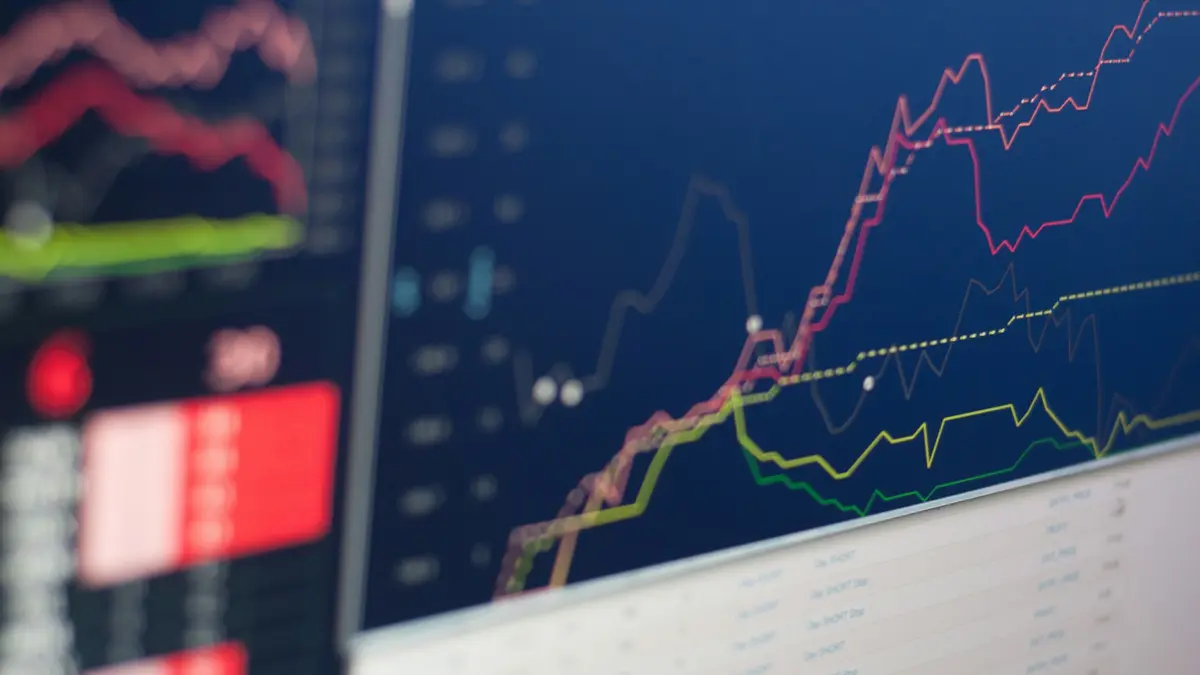
The "Magnificent Seven," the group of technology giants that drove the rally in the US market in recent years, are no longer moving in the same direction. During the first trading week of November, unusual gaps emerged in stock performances: while Amazon surged by nearly 8%, Tesla lost more than 10%, and Nvidia plummeted by nearly 9%.
These disparities reflect a shift in investor sentiment toward large tech companies. Enthusiasm for artificial intelligence remains, but alongside it, concerns are growing over the scale of investments in computing infrastructure, the ability to translate them into profits, and the potential impact of regulatory changes in the US.
The week was particularly volatile, with sharp declines on Thursday and a partial recovery on Friday. For the week as a whole, the Nasdaq index lost 3.4%, while the S&P 500 index fell by 2.7%. A closer look at the group reveals a complex picture among the tech titans.
Amazon Leads the Pack
Amazon was the week's biggest winner, by a significant margin over the rest of the group. The surge was driven by strong growth figures from the AWS cloud division, which continues to benefit from demand for computing infrastructure and artificial intelligence services.
Amazon is also one of the world's largest investors in building data centers, and the scale of its capital expenditures raises questions regarding free cash flow. Nevertheless, the weekly performance indicates that investors are currently willing to place a higher weight on accelerated cloud activity.
Alphabet and Microsoft Post Moderate Gains
Alphabet (Google) finished a positive week despite concerns surrounding heavy investments in AI infrastructure. Google's cloud business continues to expand, though the company faces growing competition in search and the need to protect its core advertising revenue engine. Meanwhile, Microsoft managed to close the week with a gain, backed by continued growth in Azure cloud services and expanding artificial intelligence operations.
One of Microsoft's key advantages is its ability to fund large investments in computing infrastructure through cash flows from its core business operations. However, as capital expenditures rise, investors are scrutinizing the ratio between revenue growth and the investments required to achieve it.
Apple and Meta Face Mild Declines
Apple published financial reports exceeding forecasts last week, posting revenues of $114.48 billion and earnings of $2.10 per share. Despite the strong results, the stock ended the week with a slight decline as investors evaluate growth forecasts, performance in the Chinese market, and the impact of rising component prices on profitability.
Meta Platforms recorded a relatively moderate decline following a period where investors expressed concern over the scale of its investments in artificial intelligence. The company continues to rely on profitable advertising businesses from Facebook and Instagram while concurrently investing heavily in AI models and computing infrastructure.
Nvidia and Tesla Experience Steep Losses
Nvidia, one of the primary beneficiaries of the artificial intelligence revolution, was among the hardest hit by the weekly declines, losing nearly 9% despite a Friday recovery of 2.78%. The drop reflects the stock's high sensitivity to shifting investor expectations regarding the pace of AI infrastructure investments.
Tesla was the biggest loser of the week among the Magnificent Seven, plunging by more than 10%. Unlike the cloud giants, Tesla's business activity relies primarily on the electric vehicle market, alongside energy operations and expectations for autonomous driving and robotics development. The company faces intensifying competition in the automotive market, alongside political uncertainty following the US midterms and potential regulatory implications for Elon Musk.