Ari Real Estate and Avnei Sapir Sell 50.1% Stake in Orot Yitzhak Power Plant for 370 Million Shekels
Ari Real Estate and Avnei Sapir are selling a 50.1% stake in the planned Orot Yitzhak power plant to the Oren family's Doral for 370 million shekels, valuing the future facility at up to 1.1 billion shekels.
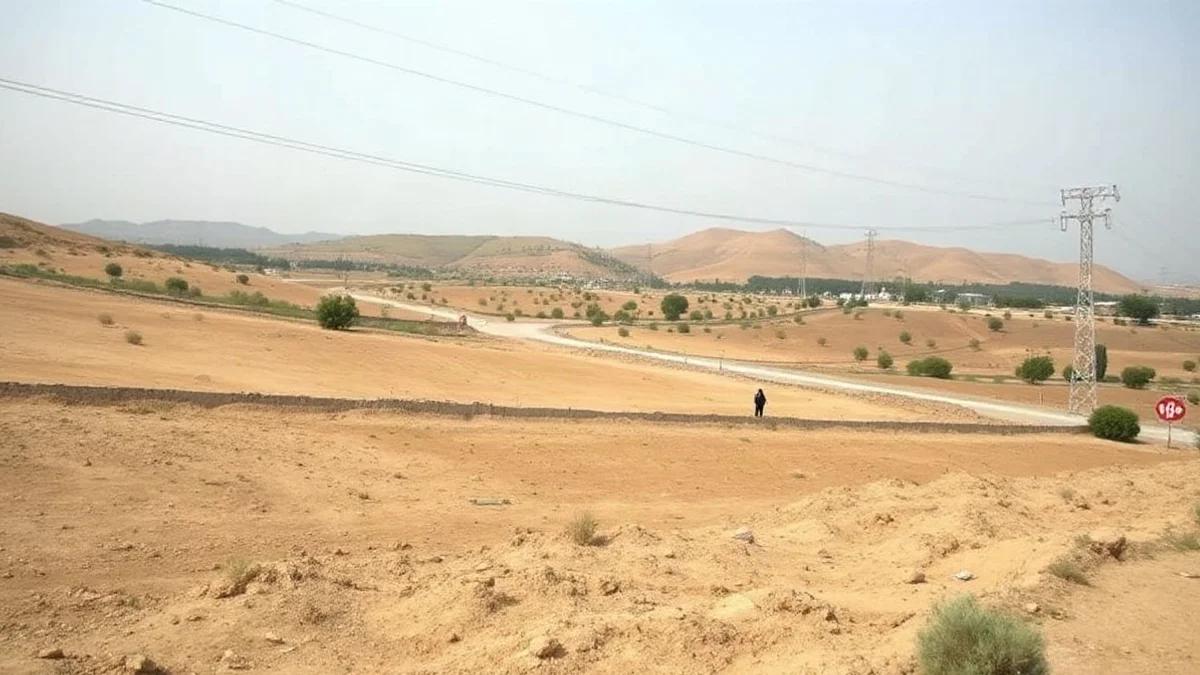
Ari Real Estate and Avnei Sapir, controlled by CEO Tzahi Abu and the Ben Zaken family respectively, have agreed to sell a 50.1% stake in the planned Orot Yitzhak power plant, slated for construction in the Menashe Regional Council. The projected value of the plant stands at 740 million shekels in its current planning stage, with an expected valuation of approximately 1.1 billion shekels once fully operational.
Following the transaction, Ari Real Estate's subsidiary, Mifratzim, will retain a 30% stake, while the Ben Zaken family's Avnei Sapir will hold roughly 20%, receiving its proportional share of the proceeds. The buyer is the energy company Doral, controlled by the Oren family. In August, reports emerged that Mivtach Shamir's energy arm had negotiated to acquire the plant, though those talks ultimately fell through. The parties also intend to establish a server farm adjacent to the project.
Valuation and Financial Terms
For the 50.1% stake, the buyers will pay 370 million shekels, reflecting a current baseline valuation of 740 million shekels for the plant during the planning phase. Upon receiving final building permits from the Planning Administration, the partners are set to pay an additional 300 million shekels for the Israel Land Authority land, bringing the implied valuation to 1.04 billion shekels. Inclusive of supplementary planning expenses, the total valuation will reach about 1.1 billion shekels.
The facility is designed to generate 850 megawatts. In the event of a future expansion doubling capacity to 1.7 gigawatts, the partners stand to receive an additional 180 million shekels.
Regulatory Hurdles and Opposition
Currently, the project has secured preliminary governmental approval and is advancing through the National Planning and Building Committee for Priority Housing Areas (VATAL), though a final approval timeline remains uncertain. Local opposition has emerged from the Emek Hefer and Menashe regional councils, which contest the concentration of new power generation facilities in their jurisdictions.
Conversely, the government plans to authorize up to 13 new power stations across the central region in the coming years to meet rising energy demands driven by demographic growth, electric vehicle adoption, and planned server farms.