Turkey Shaken by Multi-Billion Dollar Investment Fund Manipulation Scandal
A massive investment scandal in Turkey involving over 455,000 investors and billions of dollars has triggered regulatory crackdowns and high-profile arrests. Funds boasting anomalous returns collapsed after market manipulations were exposed.
Mehmet Karavanci, a 28-year-old unemployed Turkish citizen, simply wanted to save money for his wedding. Following a relative's advice, he invested 2.5 million Turkish liras, approximately 51,000 dollars, into an investment fund that boasted impressive returns. Just two weeks later, when he attempted to withdraw his funds, he discovered that the process was no longer simple.
Karavanci is just one of 455,758 investors caught up in one of the largest investment scandals in Turkey's history. The affair began as an opportunity to get rich quickly and ended with a collapse of trust, frozen funds, and an investigation into suspected stock market manipulation.
A 4,233% Return in a Single Year
To understand how it all began, one must look back to 2025. High inflation in Turkey and the ongoing depreciation of the lira drove citizens to seek investments that would protect their savings.
One popular option was investment funds, which manage money for investors and use it to purchase stocks and financial assets. However, some funds displayed entirely anomalous performances.
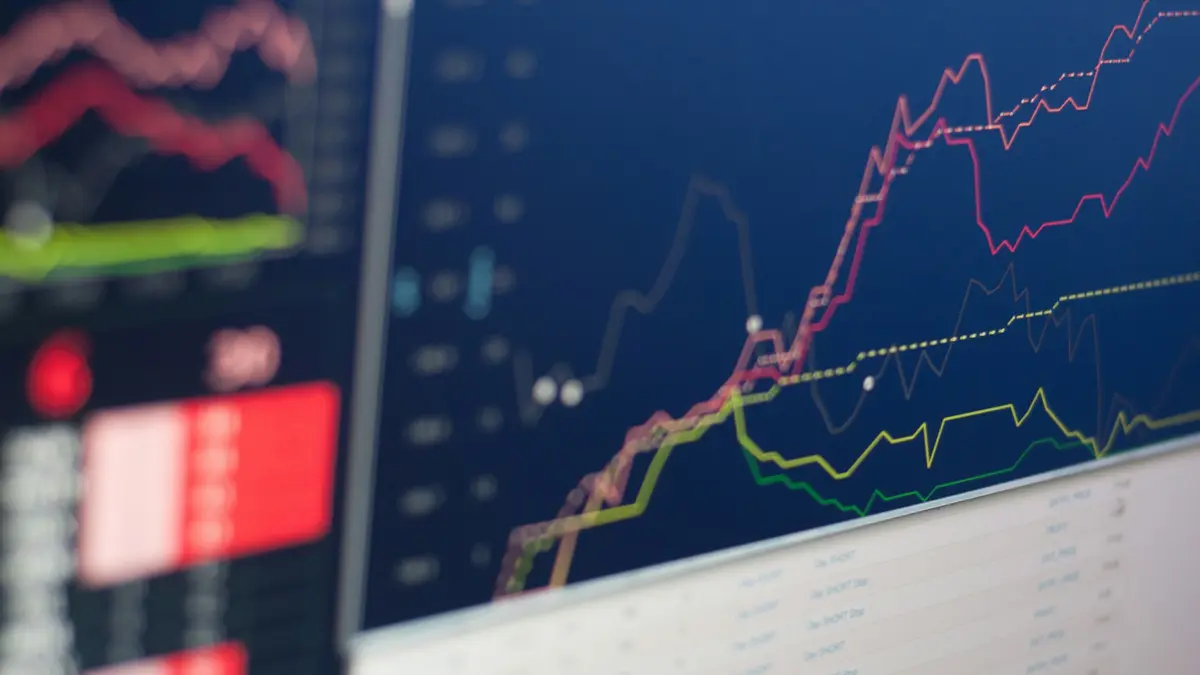
The TLY fund, managed by Tera Portföy, reported a return of 4,233% in 2025. To put this in perspective, an investment of 10,000 liras at the beginning of the year would have reached a value of about 433,000 liras by its end.
In that exact same year, Turkey's main stock index rose by a mere 14.6%. The number of investors in the fund surged from 11 at the start of 2025 to over 43,000 by its conclusion. Throughout 2026, it crossed the threshold of 100,000 investors, and the fund reached assets worth billions of dollars.
How Impossible Returns Were Generated
According to investigators, the secret was not an exceptional ability to pick successful stocks, but a self-feeding mechanism. Some funds purchased large quantities of shares in relatively small companies where few stocks were available for trading. When such shares are bought in large quantities, their prices can soar even without any genuine improvement in the company's business.
The rise in share prices increased the reported value of the fund, the extraordinary returns attracted new investors, and their money was used to purchase additional shares. This created a cycle where new money helped drive prices even higher.
For example, funds managed by Pusula purchased shares in the Gündoğdu food company at a price of about 340 liras in February 2026. By August, purchases were being executed at prices exceeding 1,500 liras per share.
However, a fundamental problem existed: the value appearing on an investment statement is not necessarily money that can actually be withdrawn.
The Moment Everything Collapsed
At the end of August, Turkish regulators tightened restrictions on investment concentration in funds and on holding low-liquidity shares. By September, some funds began struggling to return money to investors seeking to exit. To pay them off, the funds needed to sell shares, but large sales in thinly traded stocks can cause prices to plummet.
Thus, the cycle of gains turned into a cycle of losses. On September 17, regulators ordered the liquidation of 131 funds managed by seven companies. The affected funds held assets exceeding 20 billion dollars, and the crisis also rattled the Istanbul Stock Exchange.
The Scandal Reaches the Political Elite
The investigation expanded rapidly. According to authorities, more than 430 people have been investigated on suspicion of manipulation and insider trading, with 112 arrested. On November 6, Fatma Betül Sayan Kaya, a former minister and senior official in President Recep Tayyip Erdogan's ruling party, was also arrested. She is suspected of offenses related to the capital market and ties with individuals involved in the scandal. Kaya and her husband have denied any involvement in illegal activities.
As for the savers, according to data presented by the Turkish Minister of Finance on November 5, about 420,000 investors have already received cumulative payouts totaling approximately 2.6 billion dollars, but only about 179,000 of them have fully recovered their net principal investment. The final scope of the losses remains unknown, and the investigation continues.