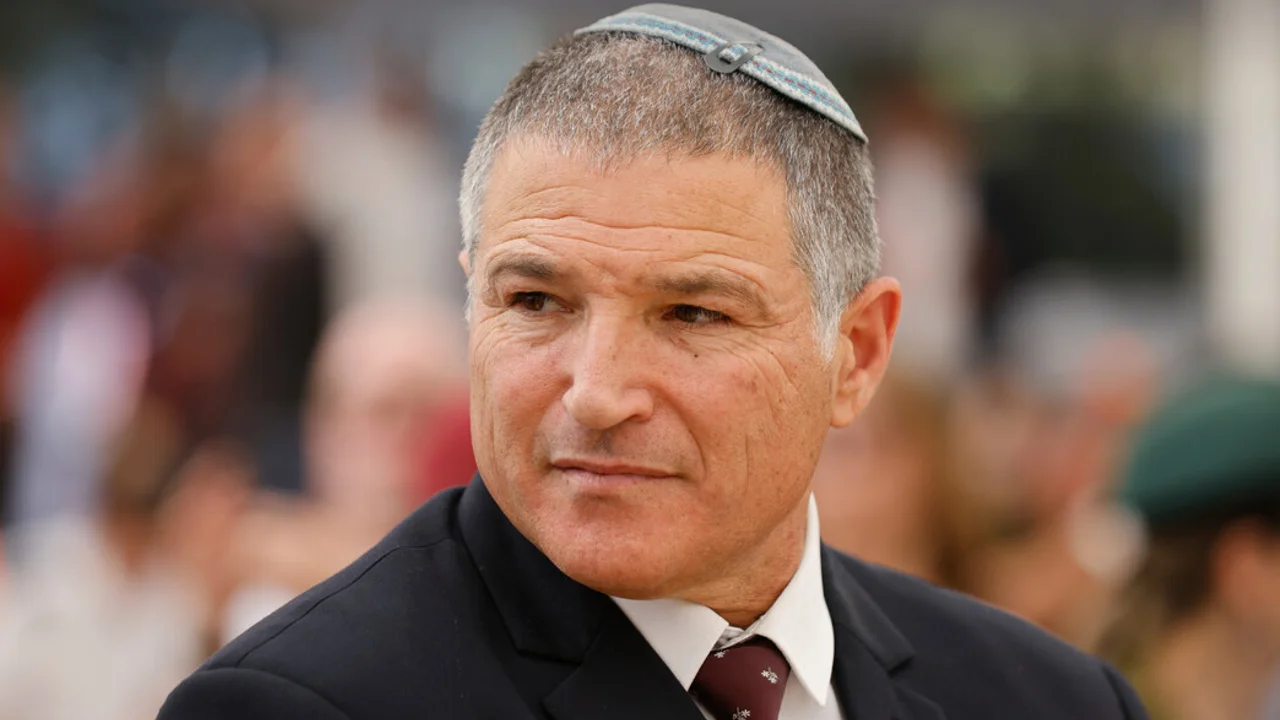
United Torah Judaism Emerges as Key Kingmaker in Israeli Politics
United Torah Judaism has positioned itself as the ultimate political kingmaker, leveraging its independent status to negotiate across party lines and secure core community interests.
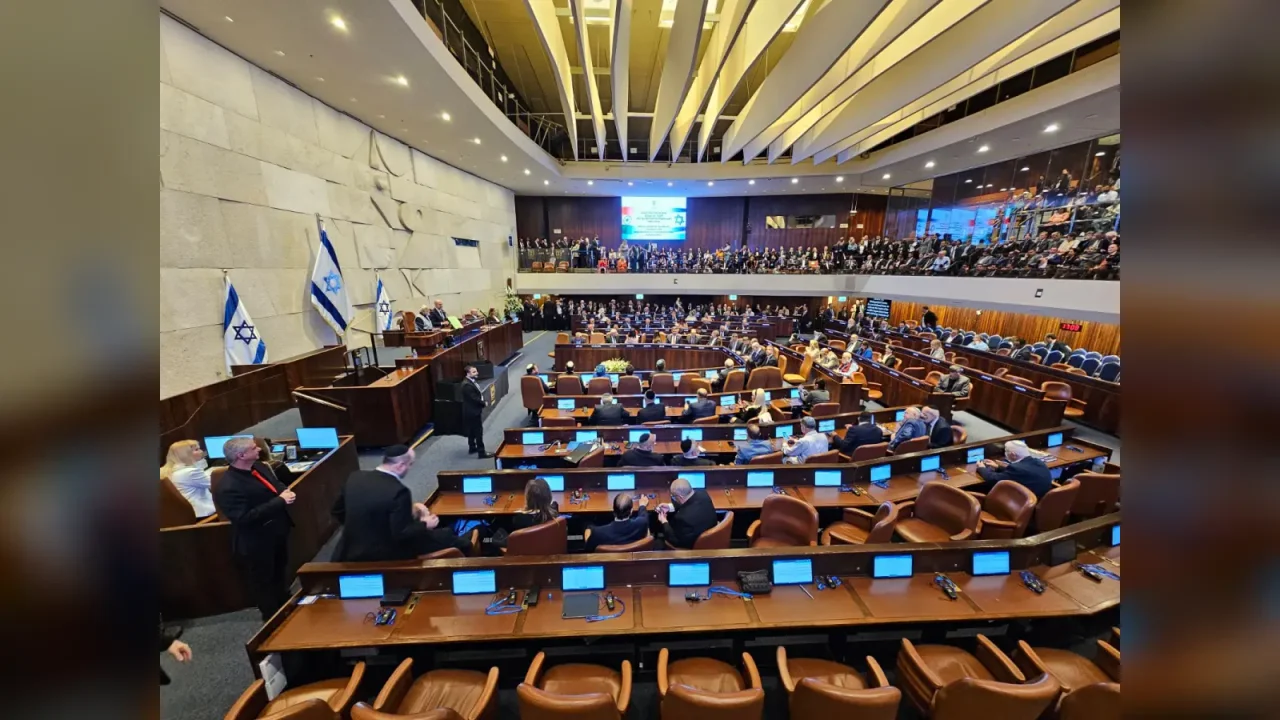
United Torah Judaism is emerging as the pivotal political kingmaker, securing a position where it can negotiate with both sides without making prior commitments. Beyond raw political leverage, the party has gained unexpected public legitimacy, even from factions that previously sought to exclude it from the coalition.
While some political actors once envisioned partnering with Arab parties to bypass ultra-Orthodox factions, the current dynamic has shifted. Certain groups now prefer to align with United Torah Judaism rather than rely on Arab parties, granting the ultra-Orthodox bloc renewed political standing.
Avigdor Liberman has signaled a willingness to compromise on the conscription law, stepping back from rigid universal draft demands. Meanwhile, remarks made months ago by Rabbi Dov Lando, clarifying that United Torah Judaism belongs to no fixed bloc, have taken on clear strategic significance, allowing the party to maximize gains for its constituency.
Although ultra-Orthodox voters traditionally hold right-wing political views, sectoral interests consistently outweigh ideological alignment. The average ultra-Orthodox voter evaluates representatives primarily on their ability to secure exemptions from military service, preserve religious institutions, and protect community funding.
Consequently, if an alternative government manages to deliver satisfactory legislation on the draft issue, ultra-Orthodox voters may not oppose it simply for lacking a right-wing label. As long as ultra-Orthodox lawmakers successfully deliver practical results, their base remains firmly supportive.