Supreme Court Crisis: Israel's Highest Court Faces Historic Case Backlogs
The Israeli High Court of Justice faces severe backlogs, with civil cases delayed until mid-2028 due to prolonged judicial vacancies and political disputes over appointments.
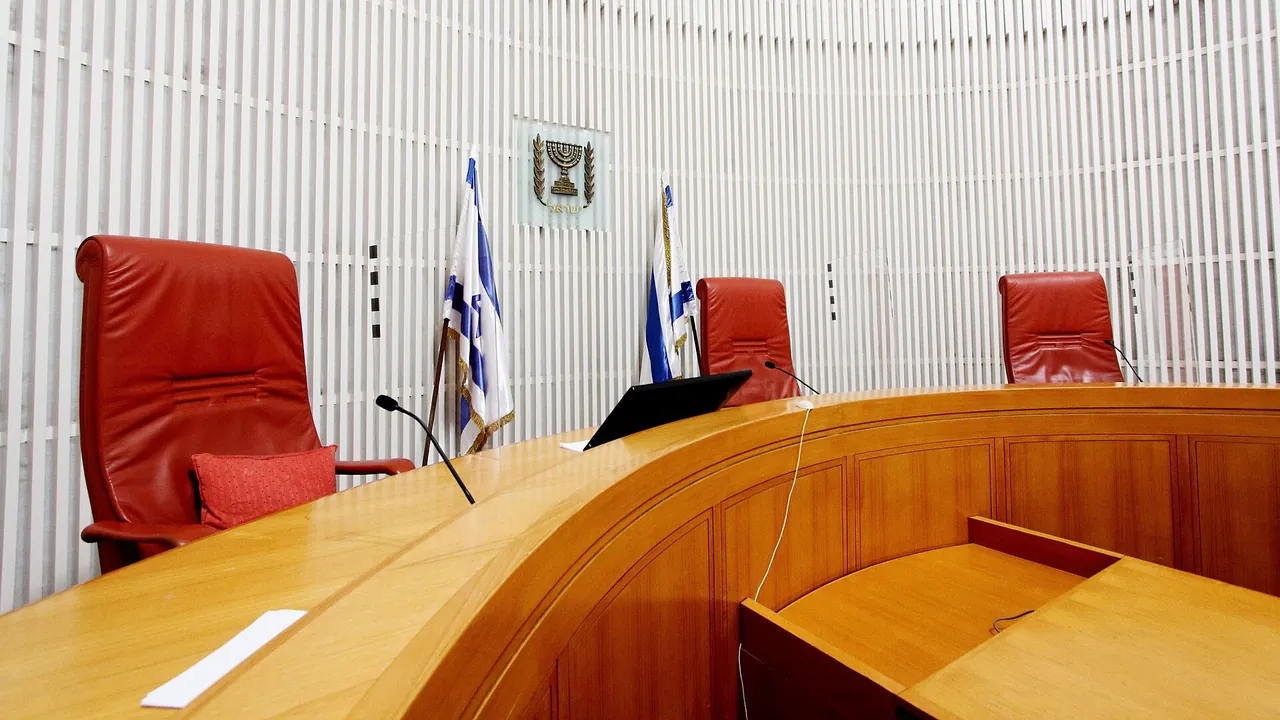
A regular civil case filed today at the High Court of Justice in Israel is scheduled for a hearing in June 2028, meaning proceedings will not begin for a year and a half. This delay highlights the severe crisis gripping the Israeli judicial system, driven by a prolonged vacancy of four Supreme Court seats out of 15.
Root Causes of the Judicial Paralysis
Over the recent tenure of Prime Minister Benjamin Netanyahu’s government, no new Supreme Court justices were appointed. This deadlock occurred because Justice Minister and Judicial Selection Committee Chairman Yariv Levin failed to reach agreements with former Supreme Court President Esther Hayut and subsequently with Acting President Uzi Fogelman regarding the vacant posts. Following opposition to his preferred candidates, Levin refused to appoint replacements for the retiring justices. The standoff escalated further when Justice Isaac Amit was elected Supreme Court President, a tenure Levin refused to recognize, severing working relations.
With the subsequent retirement of Justice Yosef Elron, the court is operating with 11 judges instead of 15, losing more than a quarter of its personnel. Legal experts emphasize that every missing judge eliminates about 1,152 hearings annually, creating massive bottlenecks across all dockets. While civil case durations have surged from 14.4 months in 2023 to 18.4 months in 2026, administrative petitions—particularly concerning administrative detentions in Judea and Samaria—have skyrocketed from some 300 cases annually to over 4,000 expected by the end of 2026, severely disrupting standard judicial operations.
Human Cost and Public Impact
Former Acting Supreme Court President Uzi Fogelman noted that the public only witnesses about 5% of the court's high-profile work, while the vast majority involves ordinary citizens waiting for justice in criminal appeals, family disputes, bankruptcies, and corporate litigation. Legal professionals warn that trial delays lead directly to systemic injustice, destroying personal finances, delaying closure for crime victims, and eroding public trust in state institutions.