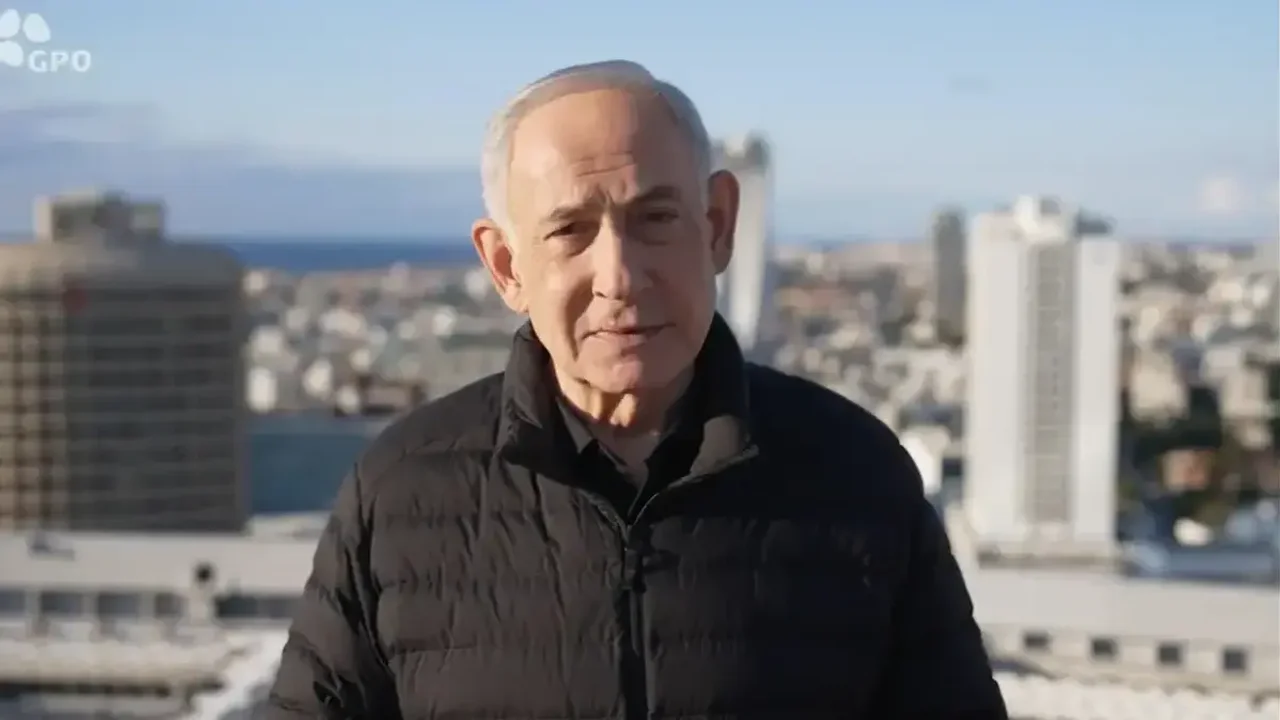
How Qatari Cash and Secret Deals Shaped Israel's Gaza Policy for 15 Years
An in-depth look at Israel's policy of allowing Qatari cash transfers into Gaza over a 15-year period under Prime Minister Benjamin Netanyahu, detailing how millions in funding ultimately sustained Hamas before collapsing on October 7.
In January 2009, Israel was deep into Operation Cast Lead in the Gaza Strip. While the Israel Defense Forces sought to restore deterrence against Hamas, the government of Qatar made a dramatic move: severing diplomatic ties with Israel. That same month, the then-emir of Qatar was photographed meeting with Khaled Mashal in a public display of support for the terrorist organization. At that exact time, Benjamin Netanyahu was elected Prime Minister of Israel, vowing to remain loyal to the state and its laws. No one imagined then that these two parallel lines—Netanyahu's rule and Qatari funding—would eventually intersect into a joint mechanism lasting a decade and a half.
The Paris Meeting and the Birth of the Mechanism
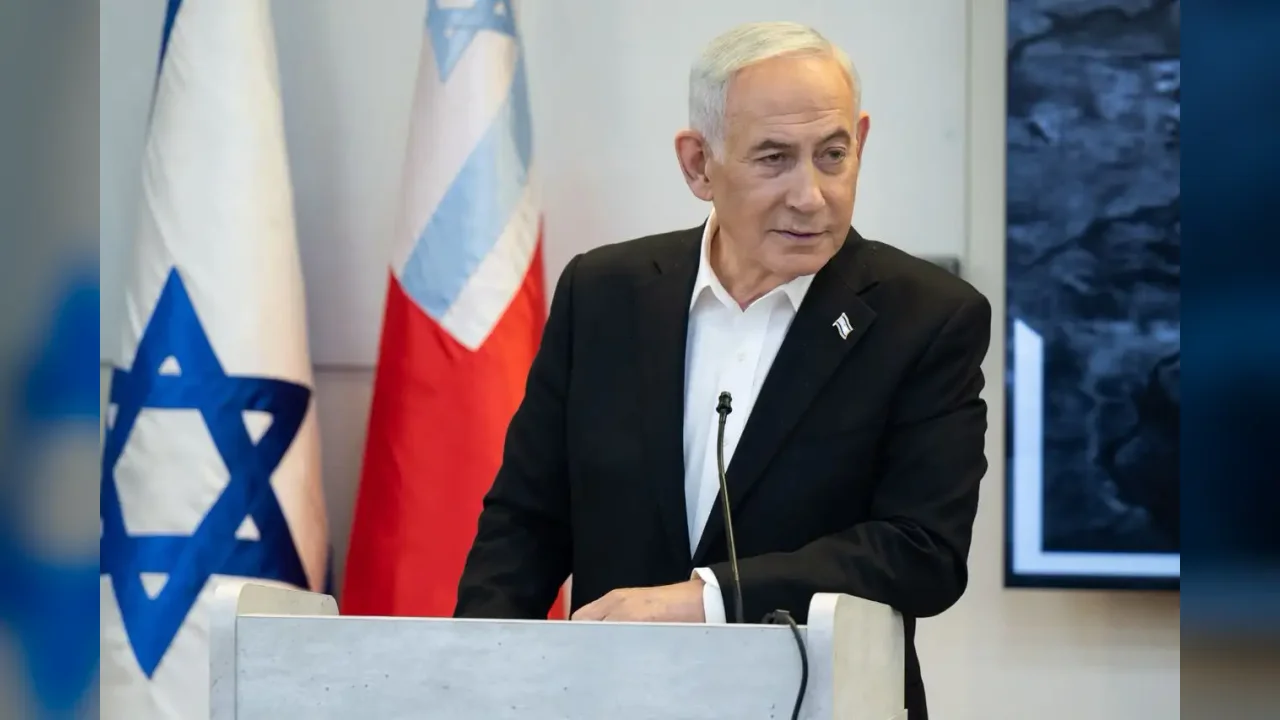
Two years later, in May 2011, an event occurred that marked the inception of the financial mechanism. Netanyahu arrived at the Élysée Palace in Paris for what was ostensibly an official meeting with French President Nicolas Sarkozy. However, in a side room away from public view, the Israeli Prime Minister held his first-ever meeting with the Qatari Prime Minister, Hamad bin Jassim Al Thani. Qatar, which was already funneling vast sums to Ismail Haniyeh and ideologically supporting Hamas, offered a proposition: mediation for the release of captured Israeli soldier Gilad Shalit. Al Thani later revealed that Netanyahu immediately recognized the potential of this relationship.
Al Thani disclosed that the meeting not only initiated talks over Shalit's release but also forged a new quid pro quo: goods for quiet, which inadvertently launched Hamas's tunnel-building project. During the talks, Israeli officials discussed allowing construction materials into Gaza. The Qatari leadership explained their desire to rebuild Gaza while noting ongoing hurdles regarding the entry of building supplies such as cement, iron, and other materials.
Suitcases of Cash and the Qatari Envoy
Following Operation Protective Edge, Qatari involvement became institutionalized as Doha pledged one billion dollars for Gaza's reconstruction. At this point, the central figures of the project emerged: Qatari envoy Mohammed Al-Emadi and the coordinator of government activities in the territories, Major General Yoav Mordechai. The two developed a close working relationship, and upon finishing his 36-year military service, Mordechai began working with the Qatari government.
During those years, suitcases filled with millions of dollars began crossing into the Gaza Strip in total secrecy. Al-Emadi entered Gaza carrying suitcases containing varying amounts of cash without regulatory oversight. Former Shin Bet officials revealed that intelligence was gathered on these cash shipments in 2017, with service personnel initially believing them to be illicit terror financing operations and preparing operational plans to halt the deliveries. However, upon discovering this, Mordechai approached Defense Minister Avigdor Lieberman and instructed the Shin Bet to stand down, confirming the transfers were officially authorized by the leadership.
The 2018 Turning Point and Cabinet Friction
March 2018 marked a boiling point as the Palestinian Authority halted salary payments to civil servants in Gaza, prompting Hamas to launch violent border riots. The security cabinet weighed two options: launching a sweeping decapitation strike against Hamas leadership or regularizing the cash suitcases to secure calm. In June 2018, Al-Emadi met with Defense Minister Lieberman in Larnaca, Cyprus. Lieberman strongly opposed the Qatari funding model, but Netanyahu overruled him, deciding to formalize the cash transfers. This fundamental disagreement ultimately led to Lieberman's resignation in November 2018.
Senior officials recounted fierce debates within the defense establishment. Generals Gadi Eisenkot, Nadav Padan, and Kamil Abu Rokon urged that funds be channeled strictly through the Palestinian Authority in Israeli shekels rather than US dollars to prevent misuse by Hamas. Netanyahu rejected these warnings, insisting on direct cash deliveries. Intelligence reports quickly piled up, indicating that a substantial portion of Qatari funds was being diverted directly to Hamas's military wing and regional militant proxies.
The Collapse of the Conception
As years progressed, intelligence chiefs including former Shin Bet head Nadav Argaman repeatedly warned that up to 40 percent of Qatari funds were reaching Hamas military operatives. Despite these warnings, and even attempts by Netanyahu to find alternative regional financiers through secret diplomatic missions in the Persian Gulf, the cash transfers and fuel shipments continued.
The 15-year policy of maintaining calm through foreign funds and economic incentives shattered violently on the morning of October 7, 2023. The devastating assault left Israel grappling with profound questions regarding the long-term consequences of financing its most bitter adversaries.