Entrepreneur Selling Apartments for 9M Shekels: "Tel Aviv Remains the Strongest Brand"
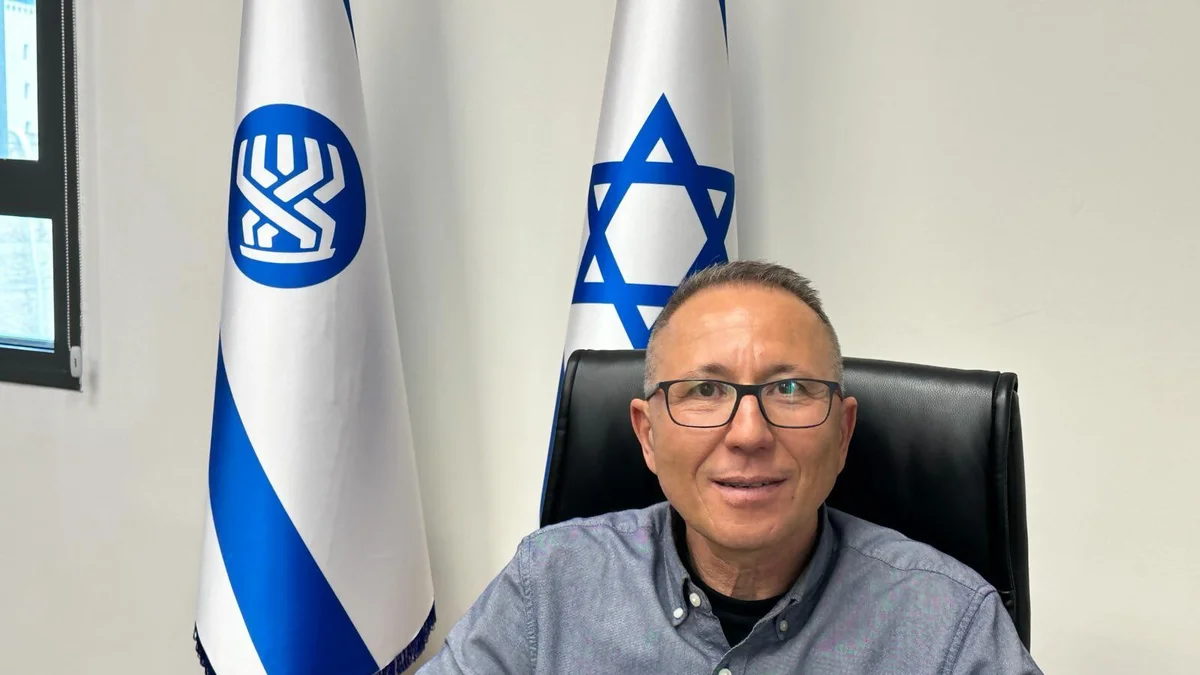
Despite a slowdown in the Tel Aviv real estate market, the luxury segment remains resilient. Entrepreneur Raz Goldwasser, who is developing a boutique project in the Ravivim neighborhood, notes that unique locations allow for sustained pricing even during challenging times.
The decline in prices in Tel Aviv is clearly felt in most areas of the city. This trend is trickling down to neighborhoods in the heart of the city and affecting apartments without a protected space (MAMAD). However, the Tel Aviv luxury market is keeping the sector afloat. Transactions exceeding 6 million shekels, some reaching eight digits, are supporting prices and limiting the decline to single digits.
Nevertheless, there are areas where luxury apartment sales are reminiscent of periods when prices exceeded 100,000 shekels per square meter. A prime example is Israel Canada, which is selling apartments for over 150,000 shekels per square meter in its SHE project on Herzl Street. Tidhar is also achieving high prices in the area.
High prices are also found in northern Tel Aviv. Data reaching ice shows that the Goldwasser-Mintzer real estate group, owned by entrepreneur Raz Goldwasser and Gur Mintzer (founder of the Care clinic chain), has sold several apartments in its boutique project on Yaakov Hazan Street in the Ravivim neighborhood at premium prices for the area. The project consists of only 8 apartments.
The garden apartment was sold at a high price for the area: an 86-square-meter unit with a 78-square-meter basement and a 36-square-meter yard fetched 7.5 million shekels. While the price per square meter of living space is around 45,000 shekels, the total reflects the premium nature of the property. A 164-square-meter, 6-room apartment was sold for 8.950 million shekels. Data from the Tax Authority also shows a 74-square-meter apartment sold for 4.6 million shekels and a 160-square-meter unit for 9 million shekels.
"The Ravivim neighborhood is almost a secret; those who don't come from northern Tel Aviv or Ramat HaSharon are sometimes unaware of its existence," says 36-year-old Raz Goldwasser, a Herzliya resident who will soon move into the project himself.
"When the plot was first offered to me, I didn't even know where it was. It is a rural neighborhood with plenty of quiet and green spaces, built mostly of detached houses. Walking through it, it's hard to believe you are in Tel Aviv. The nature of the construction effectively prevents 'pinui-binui' (evacuation-construction) processes, so the neighborhood is spared from construction loads, infrastructure density, and traffic jams — a significant advantage that will persist in the coming years."
Regarding pricing, Goldwasser adds:
"The sales prices in our project are not cheap; they are similar to prices in the heart of the city compared to 'pinui-binui' projects in surrounding neighborhoods. The return is corresponding."
Commenting on the market slowdown, he notes:
"Our strategy is to choose project locations with surgical precision. We never followed the herd, operating instead in unique areas: the Ravivim neighborhood, the heart of Quarter 5, the Levinsky pedestrian street, and others. We feel the current climate, and sales are more challenging, but the uniqueness of the locations and high standards allow us to sell even in a complex period."
As for the future of housing prices in Tel Aviv, Goldwasser remains optimistic:
"Tel Aviv will be the first to feel the change. Some areas will take a few years to deal with excess supply and massive construction, but the city as a whole is the strongest brand in Israel. And we believe in it very much."