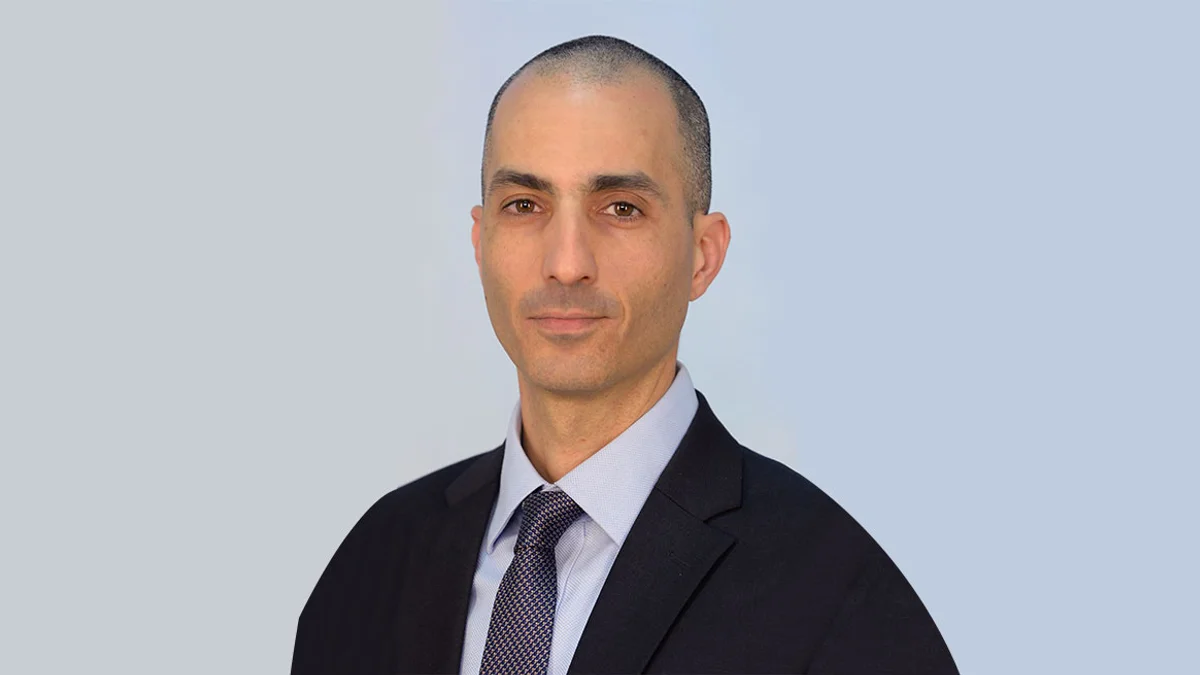
The intended buyer of Arkia has 'no money' to pay a $500,000 fine in the US
In Ezra Unger's entanglement with New York authorities, the mess in a Williamsburg real estate project was revealed, including millions in advances taken from buyers, ownership disputes, and loss of control over the building. Alongside an affidavit in which he claims he cannot pay the fine, it is alleged that in the Arkia deal, too, he is 'merely a broker who brings no money from home'.
The Haredi entrepreneur Ezra Unger, who is conducting negotiations to acquire control of Arkia in a deal estimated at about 150 million shekels, claimed to the authorities in New York that he has no money to pay a fine of 500,000 dollars. In an affidavit he signed under oath, he said that he does not hold real estate and that he does not have enough assets, cash, or the ability to obtain credit to meet the payment.
His role in the Arkia deal, it was reported, is also different from what has been presented so far. A source familiar with the details told the American real estate site The Real Deal that Unger does not bring his own money to the deal, but serves as a broker for other investors from the Haredi community. In other words, the man presented as the future buyer of the airline is, according to that source, mainly the conduit through which the money of others is supposed to pass.
Unger's statement was revealed following a new settlement he signed with the New York Attorney General, Letitia James. Her office's investigation found that Unger sold apartments in a project in Williamsburg before receiving the necessary permits, and collected advances from buyers of 17 apartments in a total amount of about 6.7 million dollars. Instead of depositing the money in an escrow account, as required by law, Unger used the advances to finance construction and other expenses. The buyers remained for years without the apartments and without their money.
As part of the settlement, they will be able to receive the advances back with interest from the new developer Avraham Brach, or use them to purchase the apartments from him. Brach's company, himself a Haredi Jew, is defined in the settlement as the party joining specifically to provide the financing needed for all financial obligations, including compensation to the buyers. "When New York residents hand over their savings as a down payment on a home, that money is not a private piggy bank that developers can raid," James said.
In a statement released by her office, it was reported that Unger will pay fines totaling 824,000 dollars. However, the settlement document reveals that almost the entire amount was frozen after Unger claimed he was unable to pay it. In practice, he is now required to pay only 50,000 dollars. If it turns out that he provided false information about his financial situation, the authorities will be able to demand the full fine from him and open additional proceedings against him. Furthermore, he is prohibited from marketing apartments and securities in New York for six years.
Unger did not declare personal bankruptcy. The bankruptcy proceeding mentioned in the affair was opened against the company that owned the project. However, the affidavit regarding his financial situation was signed by him personally. The project itself was entangled for years in ownership disputes, debts, and foreclosure proceedings, and eventually, Unger lost control of the building. The new details are particularly striking against the background of reports in which the 36-year-old Unger was presented as a successful real estate developer who "rolls millions every month".
Unger was born and raised in Monsey, New York, moved to Jerusalem after his marriage, and lived in Israel for several years. He returned to the USA about eight years ago and currently resides in Boro Park. He began his business path by selling pastries to yeshiva students while he was studying in a kollel in Jerusalem, moved to brokerage, and raised money from investors who helped him enter the real estate business in New York.
According to reports, he sought to purchase the Nakash brothers' share in Arkia and stop the company's flights on Saturdays and holidays. The intention aroused opposition from the employees, who hold about 22% of the company's shares. According to them, the move will cause the company losses. Arkia operates about 2,500 flights annually on Saturdays and holidays, spread over about 70 days of operation. The workers' committee has already announced that it will fight the sale if the cessation of flights is part of the deal. The Nakash brothers hold 72% of Arkia's shares, and the employees hold most of the remaining shares.
A previous attempt to sell control to the American-Jewish businessman Elliott Zemel, for about 140 to 146 million shekels, exploded earlier this year. Zemel claimed that a binding agreement had already been signed with him and demanded 20 million shekels in compensation from the brothers. The Nakash brothers rejected his claims and continued to look for buyers. The amount of Unger's offer was not officially published, and so far no binding agreement has been signed. Unger and his lawyer did not respond to requests for comment in the USA. The Attorney General's office stated that his lawyer promised that his statements regarding his financial situation are still correct.