Tel Aviv Stock Exchange Unveils Major Overhaul to Expand Flagship Indices
The Tel Aviv Stock Exchange announced a major restructuring of its flagship benchmarks, expanding the TA-35 into the TA-50, the TA-90 into the TA-100, and the TA-125 into the TA-150 to reflect market growth.
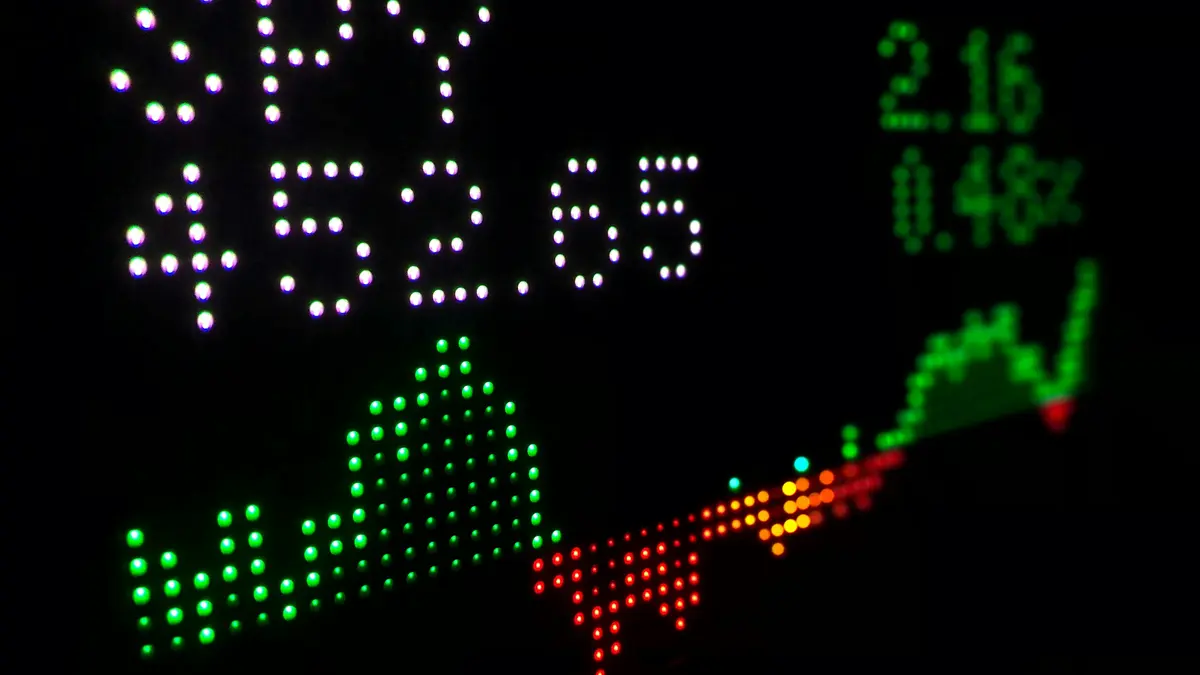
The Tel Aviv Stock Exchange announced a sweeping overhaul of its flagship indices, expanding their scope to include a broader range of publicly traded companies. Under the planned restructuring, the benchmark Tel Aviv 35 Index will grow into the Tel Aviv 50 Index, the Tel Aviv 90 Index will become the Tel Aviv 100 Index, and the Tel Aviv 125 Index will scale up to the Tel Aviv 150 Index.
The structural shift is expected to provide a major boost to prominent firms that have recently fluctuated around the threshold of the top-tier indices, including real estate developer Y.H. Dimri and major supermarket chain Shufersal, both of which recently slipped out of the benchmark TA-35.
Modernizing Capital Markets
Exchange officials emphasized that the reorganization is designed to align domestic market benchmarks with the substantial growth and maturation of Israel's capital market over the past decade. The reform aims to enhance portfolio diversification, curb market concentration, lower investor risk, and provide a more comprehensive reflection of the diverse sectors driving economic activity.
Simulations conducted by the exchange based on market data from October 15 show that the aggregate market capitalization of equities slated for inclusion in the expanded Tel Aviv 150 Index reaches approximately 2.7 trillion shekels. By comparison, the aggregate value of the Tel Aviv 125 Index stood at roughly 710 billion shekels in 2017.
Even following the expansion, the smallest constituent within the upcoming Tel Aviv 50 Index is projected to command a market capitalization of approximately 6.2 billion shekels, outstripping the smallest constituent valuation of 3.5 billion shekels recorded under the older TA-35 framework in 2017. Average daily trading volumes in equities designated for the new TA-50 have hovered around 2.9 billion shekels over the past six months, compared with roughly 670 million shekels for TA-35 shares in 2017.
Global Precedents and Strategic Goals
Exchange executives pointed out that benchmark expansions reflect a wider international trend aimed at deepening market liquidity and accommodating surging institutional investments. Germany's DAX index expanded from 30 to 40 companies in 2021, while Hong Kong's Hang Seng index has steadily grown from 52 equities to 95, with a stated target of 100.
Yaniv Pagot, Head of Trading at the exchange, highlighted the strategic importance of the transition:
"The Israeli capital market has grown significantly over the past decade, and the time has now come to adapt our flagship indices to local market developments and standards prevailing in leading global markets. Expanding the indices will refine the capital market, increase diversification, and deepen public access."
The upcoming adjustments build upon previous liquidity reforms introduced in 2023 alongside dedicated market-making models launched in 2025, ensuring that index-tracking financial products can continue operating efficiently.