New Apartment Water Leaks: Legal Rights and Contractor Responsibilities
Discovering moisture leaks in a new apartment requires immediate documentation, professional engineering inspections, and strict adherence to the four-year statutory inspection periods under the Sale Apartments Law.
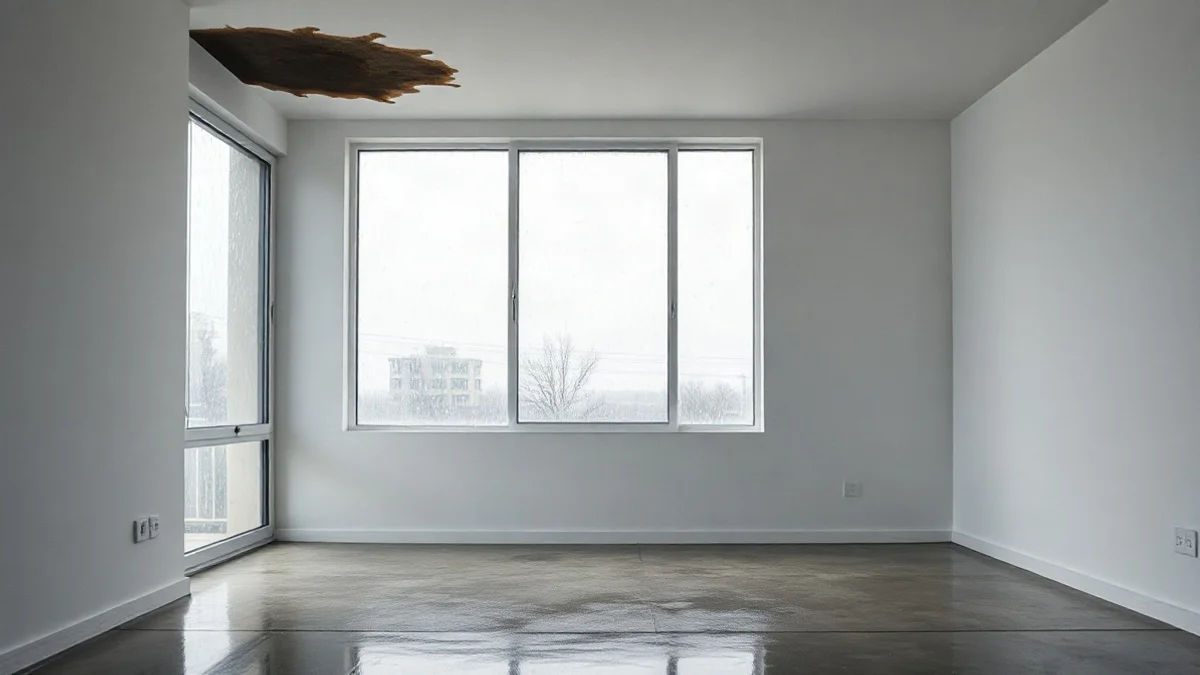
Discovering a moisture stain on the ceiling during the first winter in a new apartment is a common yet frustrating ordeal for property owners. Contractors often address the issue superficially by waiting for the roof to dry, applying a patch in the spring, and leaving owners vulnerable when heavy rains return months later. To protect your investment, homeowners should immediately document the damage with photographs, record the appearance dates, and check whether neighboring units face similar issues.
Professional Inspection and Legal Timelines
Booking a targeted inspection with a structural engineer or a waterproofing specialist helps identify whether the root cause stems from the roof, a window frame, or exterior wall joints. Under the Sale (Apartments) Law, structural waterproofing defects carry a four-year inspection period beginning when the apartment is handed over to the buyer. If a defect manifests during this window, the seller bears legal responsibility unless they prove the damage resulted from the buyer's actions. Following this inspection phase, a subsequent three-year warranty period requires the buyer to actively prove that the defect originated from faulty planning, construction, or materials.
Handling Contractor Disputes and Written Notice
Homeowners must submit formal written notification to the selling company upon discovering water penetration, referencing terms in the purchase contract, building specifications, and delivery protocols. If the issue involves shared building elements like the roof or exterior walls, consulting the building management committee ensures coordinated access and proper assessment of adjacent apartments. When contractors repeatedly delay repairs or when leaks resurface after a botched fix, owners gain the right to hire alternative professionals and demand reimbursement under Section 4B of the law.
"When a defect recurs within two years of the initial notice or when urgent repairs are neglected by the seller within a reasonable timeframe, homeowners are legally empowered to engage outside specialists and seek cost recovery."
If disputes persist, consulting a real estate attorney to review contract timelines, engineering opinions, and formal demand letters becomes essential. Legal counsel can evaluate potential claims covering repair costs, structural damage, flooring, and personal property, while ensuring that statutory limitation periods for filing a lawsuit are carefully maintained during seasonal delays.