Israeli Municipal Property Tax Rises 3.05% as Local Authorities Face Strain
Israeli local authorities face a 3.05% municipal property tax hike in January alongside systemic bureaucratic bottlenecks, delayed construction permits, and ongoing administrative challenges.

Local authorities and municipalities across Israel face mounting financial and administrative pressures, compounded by automatic municipal property tax (arnona) hikes and systemic bottlenecks in bureaucratic procedures. The upcoming year brings a mandatory 3.05 percent increase in the arnona tax rate, driven by a state-mandated automatic updating formula tied to the Consumer Price Index and public sector wage agreements. Alongside this blanket increase, numerous local authorities have requested approval for exceptional hikes and zoning reclassifications, raising concerns about the disparate impact on financially constrained peripheral municipalities compared to economically robust cities.
Municipal Challenges and Local Governance
While local municipalities have increasingly shouldered operational burdens during national emergencies, their statutory authority remains strictly circumscribed by central government ministries. From transportation planning and infrastructure development overseen by the Ministry of Transportation to strict educational and welfare guidelines set nationally, city halls often lack the direct jurisdiction required to service residents efficiently. Furthermore, systemic delays plague the approval of municipal bylaws, where local councils wait months or even years for ministerial sign-offs. Financial oversight has also faced scrutiny, with police investigations touching roughly twenty municipal authorities and corporate entities over the past three years amidst calls for strengthened auditing resources.
Construction Permits and Bureaucratic Red Tape
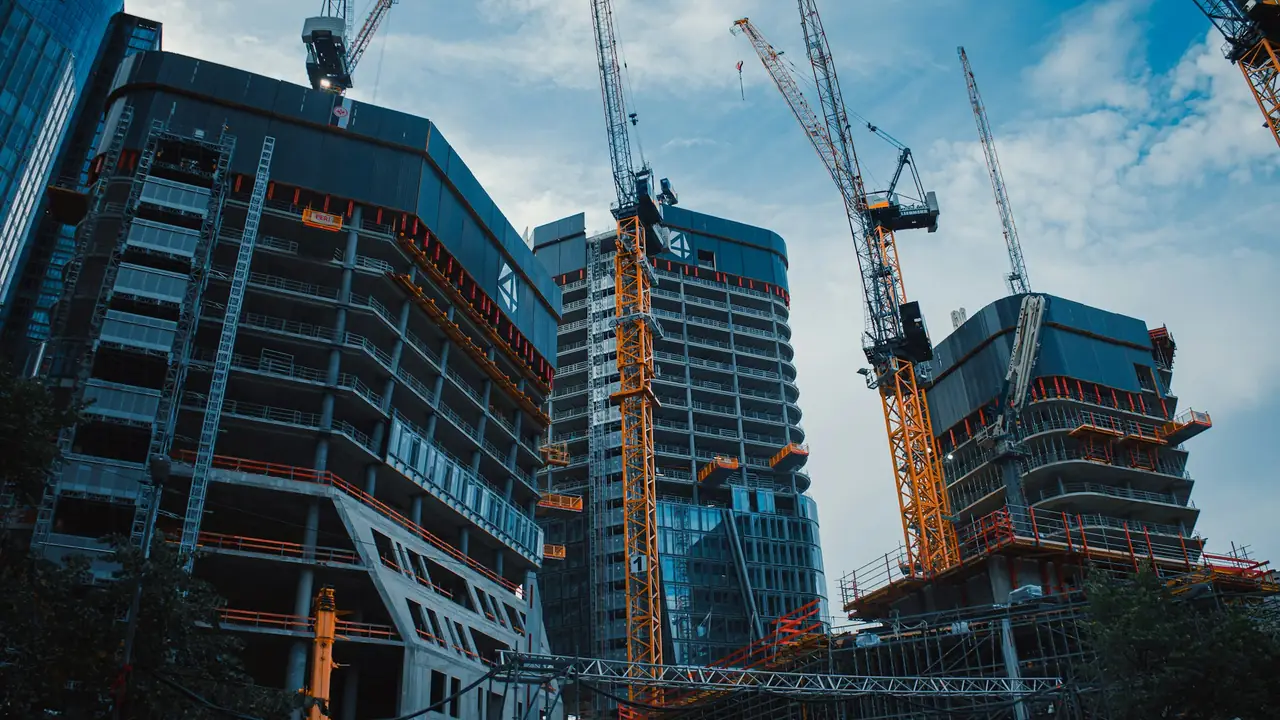
Data from the Planning Administration indicates a record high in housing construction, with approximately 84,500 building permits issued in 2025, marking an 11.5 percent increase over the previous year. However, everyday bureaucratic procedures remain sluggish. Property owners seeking routine permits for minor renovations face protracted waiting periods lasting many months, while complex urban renewal initiatives stretch across years. Municipal engineering departments frequently report severe shortages of licensed professionals, struggling to compete with private sector compensation packages that offer significantly higher salaries.
Digital Passports and Population Management
Operations at the Population and Immigration Authority have undergone notable shifts following severe backlogs in passport renewals and identity card issuances in recent years. The expansion of automated digital kiosks for citizens aged 18 and older holding biometric credentials has streamlined processing times considerably. Beyond domestic administration, state authorities continue to grapple with foreign labor shortages across construction, infrastructure, and agriculture, alongside policy decisions regarding tens of thousands of undocumented foreign workers and African infiltrators currently integrated into the local labor market.