Teenager Uses Anthropic's Claude AI to Reverse-Engineer GTA 6 for PC Gamers
A 15-year-old hacker led a Discord group using Anthropic's Claude AI to reverse-engineer GTA 6 for PCs, prompting a massive legal crackdown and sparking a new era of AI game emulation.

The historic launch of Grand Theft Auto VI shattered sales records by crossing the four-billion-dollar threshold on PlayStation and Xbox consoles, yet left millions of personal computer gamers sidelined. With an official PC release scheduled exclusively for early 2027, the prolonged wait triggered an unprecedented pirate initiative known as "Project Leonida". Within days, nearly 180,000 users gathered on a dedicated Discord server with a single objective: forcing the massive blockbuster hit to run on personal computers.
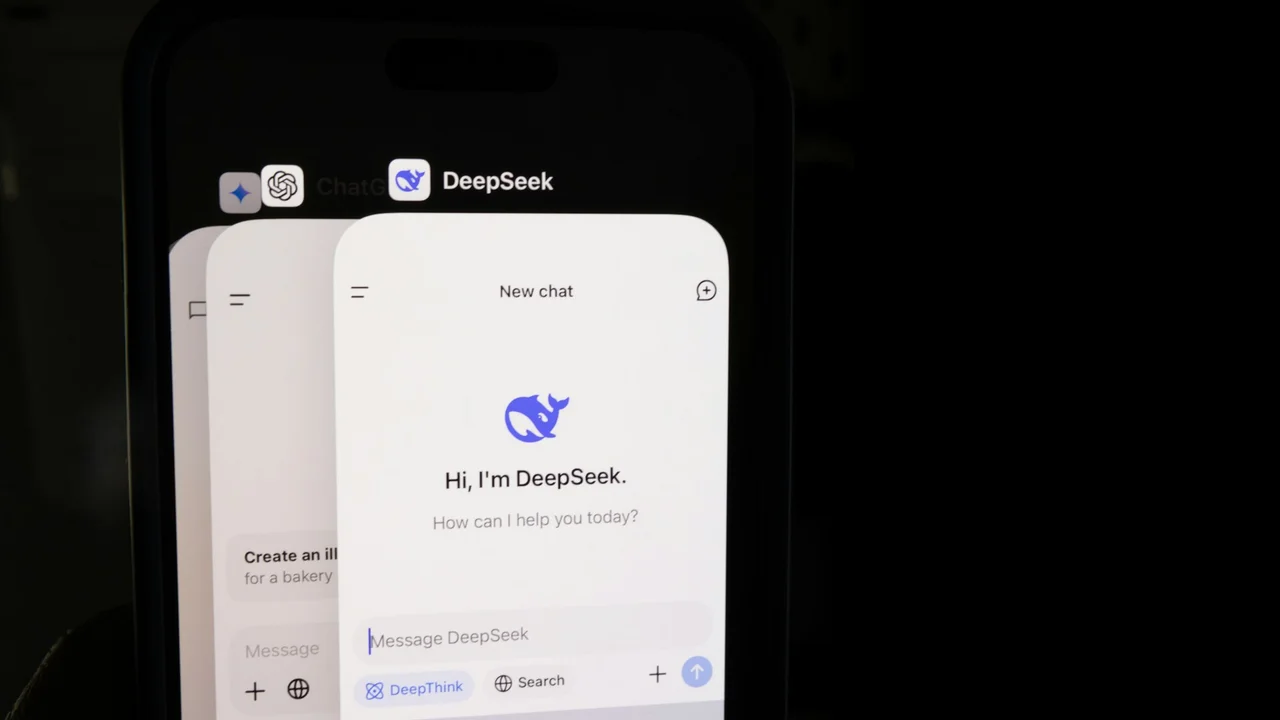
What made this attempt particularly extraordinary was the combination of massive leaks and advanced artificial intelligence tools. After a prominent leaker distributed a full executable Xbox version file online, community members enlisted the Claude model developed by Anthropic to perform rapid reverse engineering. The model translated graphic processing commands, analyzed data structures, and assisted in writing bridging software layers between the console and computer, with certain code updates even recorded on GitHub crediting the AI as a full creative partner.
Crackdown and the 15-Year-Old Mastermind
Technological progress moved at a dizzying pace, and within hours, group members successfully loaded the game onto a computer up to the initial settings screen before freezing on a black display. However, the swift success immediately attracted the attention of game developer Rockstar Games and parent company Take-Two Interactive, who swiftly deployed strict copyright infringement notices, dismantled the Discord server, disabled thousands of code repository copies on GitHub, and delivered a devastating blow to the project.
The surprising twist in the affair emerged when the mastermind behind the entire operation was identified not as an experienced international hacker, but as a 15-year-old minor operating online under the alias NotRexed. After being banned from Discord for two full years until 2028, the teenager published a candid retirement statement explaining that the pressure had become unbearable. "The life of a 15-year-old with school and sports is hard enough without middle-aged men screaming and complaining about you on Discord," he wrote, announcing his permanent departure from the field to focus on his education.
The Expanding Wave of AI-Driven Emulation
Despite the server closure, Project Leonida reflects a broader trend transforming the gaming industry. Advanced language models have simplified complex tasks of code deconstruction and emulation, making them accessible to any enthusiast, much like earlier this year when The Legend of Zelda was ported to Apple platforms using AI deconstruction months before an official announcement. The capacity to run autonomous programming agents for hours eliminates the need for professional engineering teams.
In response to the incident, Anthropic updated the Claude model to refuse direct requests for reconstructing protected game source code, though modding communities argue the measure arrived too late. Parallel groups such as Victory and XCL are continuing emulation efforts across alternative channels using previously distributed materials. Because the foundational code has already been duplicated across thousands of independent versions, copyright holders face severe challenges in completely erasing it from the internet.
For computer gamers globally, these pirate endeavors carry significant disappointments and tangible cybersecurity hazards. Beyond graphical glitches and recurring crashes, files purporting to offer functional computer copies frequently serve as vehicles for malware distribution and credit card theft. While Rockstar successfully silenced a single teenager and shut down one server, the broader gaming industry faces an ongoing challenge in navigating an era where autonomous tools empower individuals to engineer proprietary blockbusters.