EU Plans 50 Billion Euro Tech Fund to Rival US and China in AI and Quantum
The European Union is drafting a 50 billion euro fund to invest in artificial intelligence and quantum computing, aiming to reduce dependence on US and Chinese technology.
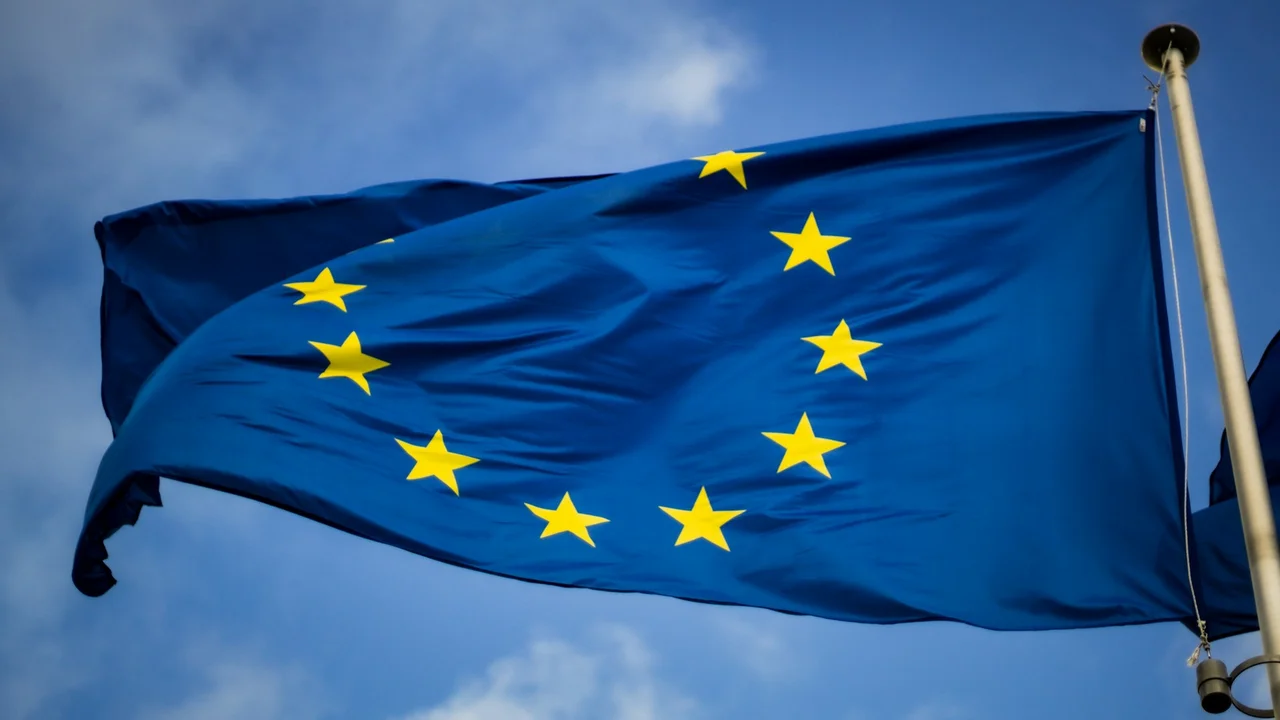
The European Union is drafting a comprehensive plan to establish a new 50 billion euro fund aimed at financing high-risk, long-term investments in European companies specializing in artificial intelligence and quantum computing. According to international media reports, the initiative is designed to reduce the continent's technological dependence on the United States and China. The proposed vehicle, temporarily designated as the Sovereign Tech Equity Fund or Stef, will execute larger, riskier, and longer-duration investments than current EU funding frameworks.
Speaking on condition of anonymity, officials involved in the discussions noted that the fund targets stable, long-term deployment in high-stakes domains. One insider emphasized that this approach represents a deliberate departure from standard EU funding practices to address critical market gaps. Quantum computing relies on quantum mechanics principles to perform calculations that conventional computers struggle to process. As part of this broader push, the European Commission is scheduled to unveil a dedicated quantum strategy to strengthen the bloc's competitive standing in emerging industries.
Boosting Technological Sovereignty and Competitiveness
This strategic initiative forms part of Brussels' wider effort to reinforce technological autonomy amid growing uncertainty surrounding foreign policies and a volatile geopolitical landscape. European leaders aim to stimulate investment in frontier technologies where regional enterprises have historically struggled to compete with dominant American and Chinese corporate giants. Officials anticipate that capital deployment by the fund will serve as a catalyst, crowding in substantial private sector co-investors.
European underperformance in financing and scaling innovative technology firms has repeatedly been identified as a primary driver behind the continent's lag, a concern echoed in recent competitiveness recommendations authored by Mario Draghi. European Commission President Ursula von der Leyen promised an ambitious proposal to fortify the bloc's technological sovereignty following a high-level summit on artificial intelligence held earlier this month. The Commission plans to release operational details regarding the fund in February during a special leadership retreat on competitiveness in the Belgian town of Alden Biesen.
Financial Structure and Management
Exact capitalization mechanisms remain under active discussion within the Commission, which intends to leverage public EU capital to attract significant private investment. Officials indicated that the structural target is to mobilize up to six euros of external capital for every single euro contributed by the Union. Technology Commissioner Henna Virkkunen discussed the proposed framework with the European Investment Bank, which may offer specialized financial expertise without assuming direct investment risks.
At a recent conference, Commissioner Virkkunen stated that the fund should target a 50 billion euro capitalization, which Commission estimates represent roughly one-tenth of the total capital required to achieve full technological sovereignty. Similar to the existing Scaleup Europe fund, the new vehicle will operate under independent fund management to shield investment decisions from political interference. While the Scaleup fund is managed by Swedish investment firm EQT with a target of five billion euros, the new sovereign fund aims for a tenfold increase in scale.