New Scamwise Report Warns a Fake Shopping Site Launches Every Three Minutes
A Scamwise report reveals that a fake e-commerce store launches every three minutes ahead of Black Friday. Cybercriminals use artificial intelligence to build deceptive sites, while experts warn of broader payment fraud risks.
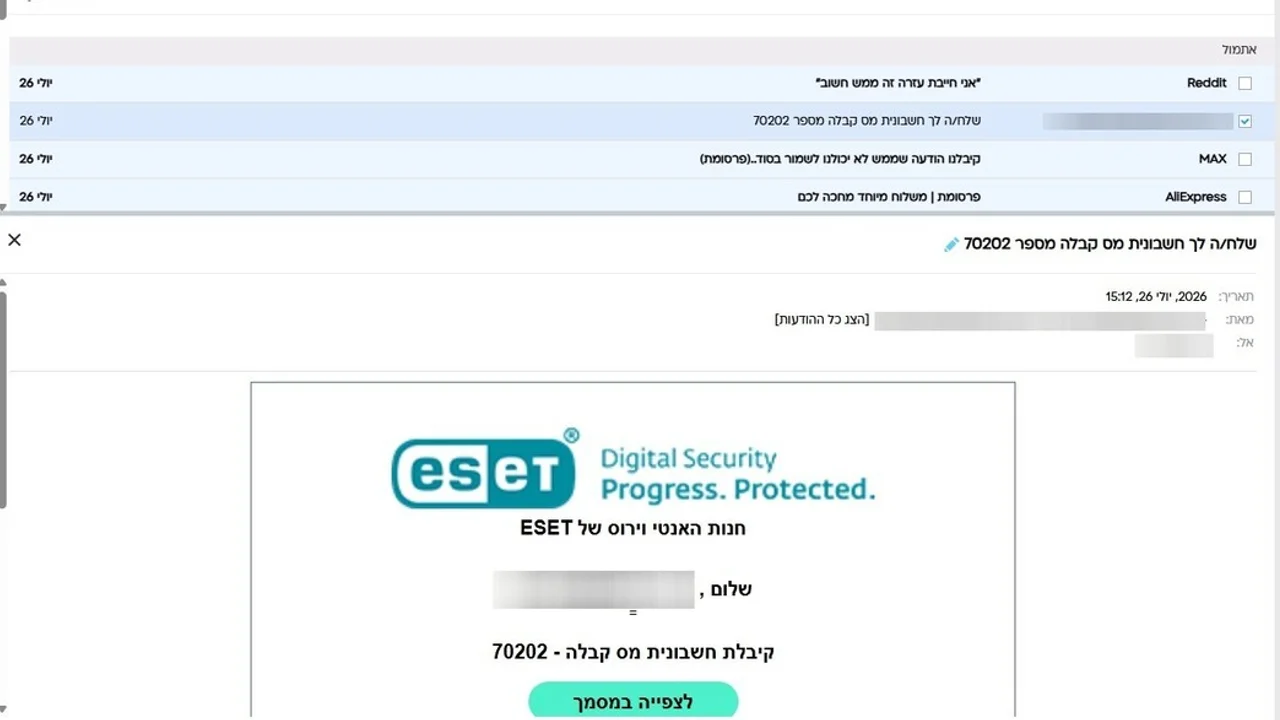
As millions of consumers rush to secure Black Friday deals, the online fraud industry is experiencing a massive surge. According to a new report by the fraud detection service Scamwise, a brand-new fake shopping store goes live on the internet every three minutes, translating to approximately 500 fraudulent storefronts per day.
Over the past two months alone, the volume of holiday-themed fake online shops has multiplied fivefold. While deceptive sites were once easily identifiable by poor spelling, amateur design, or blurred images, cybercriminals now leverage artificial intelligence to deploy polished e-commerce platforms within minutes. These AI-generated stores feature impressive product catalogs, fabricated customer reviews, and targeted social media advertising campaigns, making them exceptionally difficult for everyday shoppers to spot.
Beyond Fake Storefronts and Automated Threats
Security experts warn that the shopping holiday serves as a prime window of opportunity for broader cyber attacks. Ron Leibovitz, public sector manager at AudioCodes, explains that threat actors deploy automated bots and artificial intelligence tools to orchestrate payment fraud, attempt account takeovers, and disrupt retail transaction processes.
Even consumers who strictly patronize large and well-known retailers are not entirely safe from vulnerabilities. Benny Porat, CEO of Twine Security, notes that during peak retail seasons, companies frequently hire temporary workers and hastily grant permissions to sensitive internal systems, inadvertently exposing customer data.
"An access account hastily opened for a temporary worker in November becomes the backdoor through which hackers steal information in January."
Essential Safety Measures for Holiday Shoppers
Security professionals urge caution before completing online transactions. Dvir Dabush, cloud security expert at Sela, advises consumers to avoid entering e-commerce sites via links received through promotional messages or advertisements, recommending instead to navigate directly to official web addresses. Shoppers encountering unfamiliar merchants should search the brand name alongside terms like fraud, check the website registration date, and look for independent reviews. Red flags include the absence of a physical address, a working customer service telephone number, or a clear return policy.
Payment method selection also plays a critical role in mitigation. Utilizing digital wallets such as Apple Pay and Google Pay significantly minimizes the direct exposure of credit card details to merchants. Consumers should avoid direct bank transfers to unknown sellers and enable two-factor authentication wherever possible.
Individuals who suspect they have fallen victim to cyber fraud should contact their credit card provider immediately to block cards and dispute transactions, modify compromised passwords, and report the incident to law enforcement authorities.