USA: Israel is trying to scare Trump with an Iranian assassination plot
World press headlines: The CIA casts doubt on Israeli intelligence regarding the assassination attempt on Trump, the Houthis are risking everything for Iran and risking a ground war with Saudi Arabia, and the Iranians learned from Ukraine how to take down fighter jets using a swarm of drones. Globes presents a daily short review of interesting news from the world media about Israel.
About world press headlines
Against the backdrop of the constantly evolving security situation, the lens of the world media reveals unique perspectives on what is happening in the country. From analyses by international experts, interpretations from a different angle, and small stories from Israel that disappear from view - every day we will present you with a short daily review of what is written in the world media about Israel, to try and decipher how things from here look from overseas.
The articles we present in the section are taken from major newspapers around the world and do not necessarily reflect the worldview of Globes.
1. In the USA, Israel is accused of trying to "scare" Trump with an Iranian assassination plot
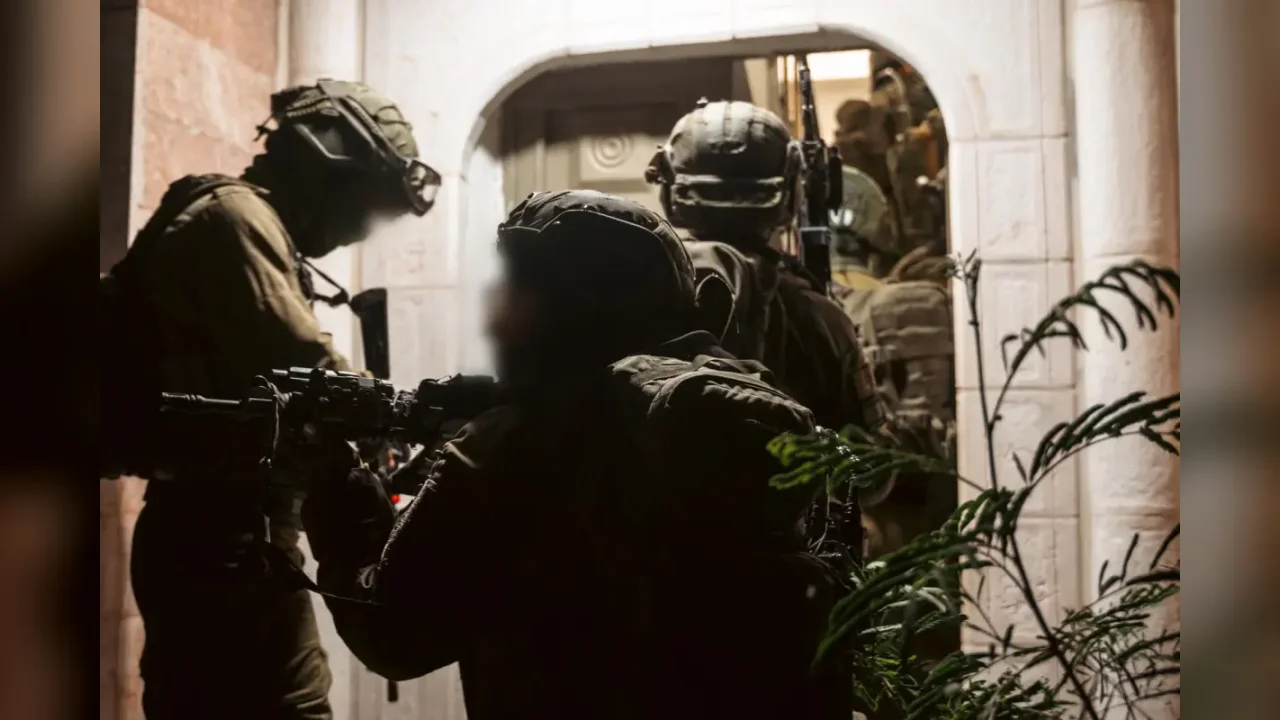
Information that led to the deception exercises surrounding US President Donald Trump's departure from the NATO summit in Ankara last June came from Israel, but the CIA believed in real-time that it was of "low reliability" - this is revealed this morning (Thursday) by the Washington Post.
According to the report, which relies on conversations with senior officials in the American security establishment, the information about the possible Iranian assassination attempt - which led to the president's secret transfer from the plane in a catering truck and the use of another military plane - "came from Israeli, not American sources, and appeared to be of low reliability."
Another source told the newspaper that despite the low reliability, a significant safety margin was taken due to the fear of the possibility of an Iranian assassination attempt. "The Secret Service had three near-misses with this president, so they don't take risks," the official said.
Officials in the American security establishment even told the newspaper, anonymously, that "the sharing of information by Israel regarding threats to Trump's life was intended less to warn him, and more to influence the president's decision-making and US policy in the region." This is a heavy accusation against the Israeli side.
A former senior official in the American intelligence community said there is a "pattern" of Israeli use of intelligence to shape a worldview intended to influence the president's decisions.
As proof of the lack of seriousness of the information about the downing of the plane by Iranian activists (as suspected), the newspaper noted that Secretary of State Marco Rubio - who was briefed on the threat in advance - chose to board the allegedly threatened plane of his own volition.
By Warren Strobel, John Hudson, and Dan Lamothe, from the Washington Post.
2. Is Saudi Arabia on the way to a ground war against the Houthis in Yemen?
The decision of the pro-Iranian Houthis to sharply escalate their attacks on Saudi Arabia and on the Yemeni government recognized by Riyadh may jeopardize their rule in parts of the country, by threatening a new ground war - this is analyzed in an article published yesterday (Wednesday) on the Foreign Policy magazine website.
"Unlike the situation in 2015, when Riyadh managed its first war in Yemen without experience or a unified Yemeni army under it, now there is a Yemeni force under one leadership... and it has signaled that it is much less inclined to surrender to pressure," it was written.
In recent weeks, Houthi rebels have attacked, among other things, Aramco oil production facilities, Saudi airports, and also Yemeni forces loyal to Riyadh. Dozens of people have been killed. "The strategic risk for the Houthis now is existential," it was written, "and they are risking everything for Iran."
The author warns that Saudi Arabia may soon begin a ground operation in Yemen, which will involve the forces loyal to it in the country. Yesterday it was reported that six people were killed on a ship attacked near the coast of Yemen by Iranian-made Houthi rockets.
By Fatima Abu al-Asrar, from Foreign Policy.
3. The Iranians learned from Ukraine: this is how a swarm of drones helped take down an American fighter jet
Iranian drones that flew together in a tight formation helped take down an American F15 fighter jet last April, in a tactic that Tehran learned from the ongoing war between Russia and Ukraine - this was revealed this week by the New York Times.
According to the report, a formation of drones placed in an area where there was fighter jet activity helped provide the Iranians with location data (GPS), speed, and direction, and then take it down with a Chinese-made surface-to-air shoulder missile. "Iran learned from Ukraine and placed a swarm of drones in an area where American fighter jets penetrated," American sources told the newspaper.
In the past, the pilot of the plane, who together with the navigator ejected following the hit and was rescued by American forces, reported that he saw a "jellyfish" of drones in the sky before he was hit that moved in a wavy motion.
The interception incident led US President Donald Trump to announce a pause in attacks at the time, while "the American side needed time to adapt itself to the new Iranian tactics," it was written.
In general, the American side analyzes, Iran has "perfected" its attack and defense, and is also trying to cause the Americans to fire as many Patriot interceptors as possible and also to penetrate the defense in the region by using UAVs, drones, and missiles of various types in a combined manner.
"They have effectively leveraged the Russian tactic to make the defense of our positions in the Gulf more difficult," a senior Pentagon official told the newspaper.
By Eric Schmitt and Helene Cooper, from the New York Times.