Inside the IDF Tazumot Center: Treating the Invisible Wounds of Combat
The IDF's Tazumot center in Tel Aviv provides intensive psychological rehabilitation for combat soldiers battling unseen trauma, combining military structure with specialized therapies.

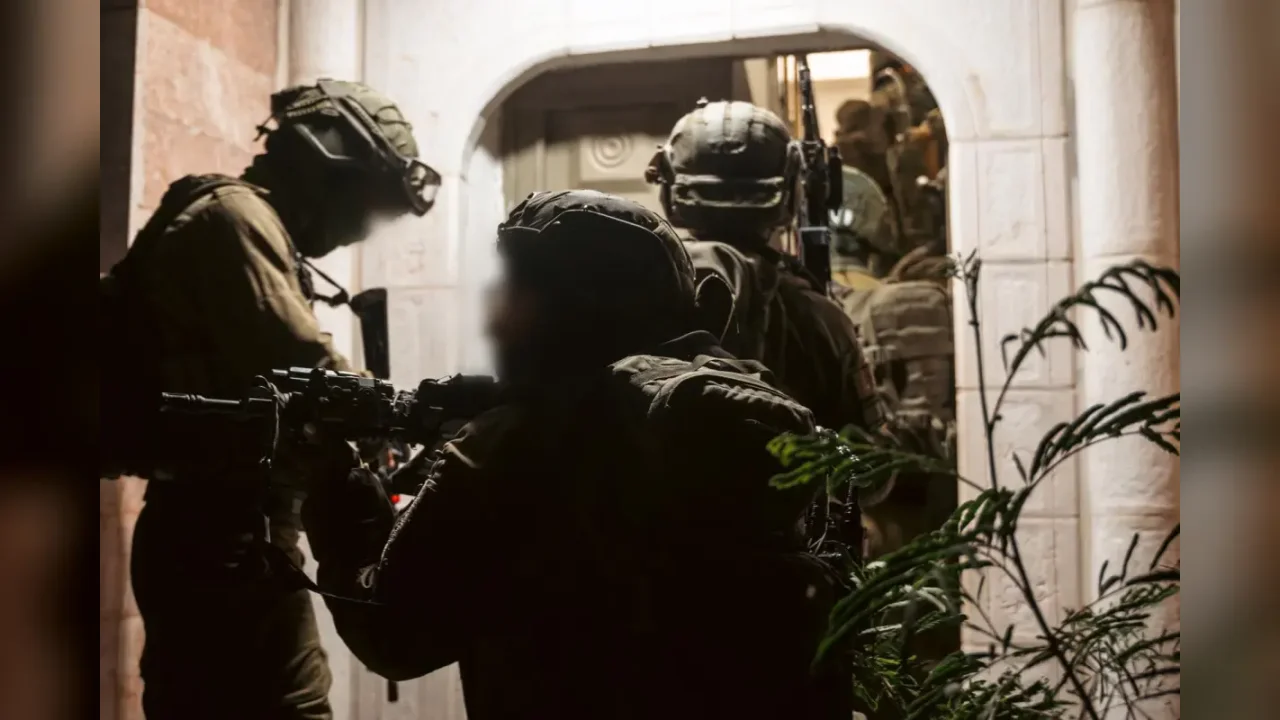
Hidden in an ordinary office building in central Tel Aviv, the IDF's "Tazumot" center offers a vital refuge for soldiers grappling with the invisible psychological wounds of combat. Far from the front lines, the center addresses a quiet crisis: the struggle to function after experiencing trauma, loss, and constant operational stress.
A Structured Path to Healing
Established two and a half years ago, "Tazumot" treats soldiers experiencing significant psychological distress and functional collapse. Lt. Col. Dr. Michal Lifshitz explains that the model combines intensive therapy with a structured military framework. Each Sunday, a new cohort of 10 to 12 participants begins a month-long program led by a commander, often a reserve officer from elite units like the Duvdevan Commando Unit. Unlike traditional civilian programs, the ongoing military presence ensures attendance, fosters a deep sense of belonging, and prevents dropouts.
The daily routine includes emotional regulation workshops, PTSD management, and specialized therapies focusing on sleep hygiene and body-mind activities such as surfing, boxing, and climbing. Participants learn to decompress adrenaline-fueled bodies that remain on constant alert long after leaving the battlefield. Occupational therapists also assist soldiers with basic cognitive and daily functions, helping them rebuild routines disrupted by trauma.
Statistics and Integration
To date, the center has treated over 1,600 soldiers, approximately 95% of whom are combat troops and 90% male. Around 70% remain in military service, typically reassigned to non-combat home-front roles such as shooting instruction, education, or IDF Spokesperson duties, while only about 5% return to combat assignments. Reserve Mental Health Officer Alon Mesharki emphasizes that military service during wartime is abnormal, and psychological symptoms often surface only after soldiers return home and the immediate operational adrenaline fades.
While the center provides essential tools and a supportive community where soldiers do not need to explain their trauma, experts warn that it represents only a fraction of a broader national challenge. As thousands of veterans transition to civilian life, society faces the daunting task of ensuring continuous, accessible mental health support so that no soldier is left to fight their silent battles alone.