An agreement with Lebanon - but what about the Shiites?
This is the true test of the agreement: not only whether Hezbollah will be disarmed, but who will fill the void that will be created. Sovereignty does not boil down to waving a flag, deploying soldiers, or words written on a page. The state must provide a roof for the displaced, compensate the families, and establish a dedicated reconstruction authority that will handle the rebuilding of the villages, the restoration of sources of livelihood, and the return of life to them.
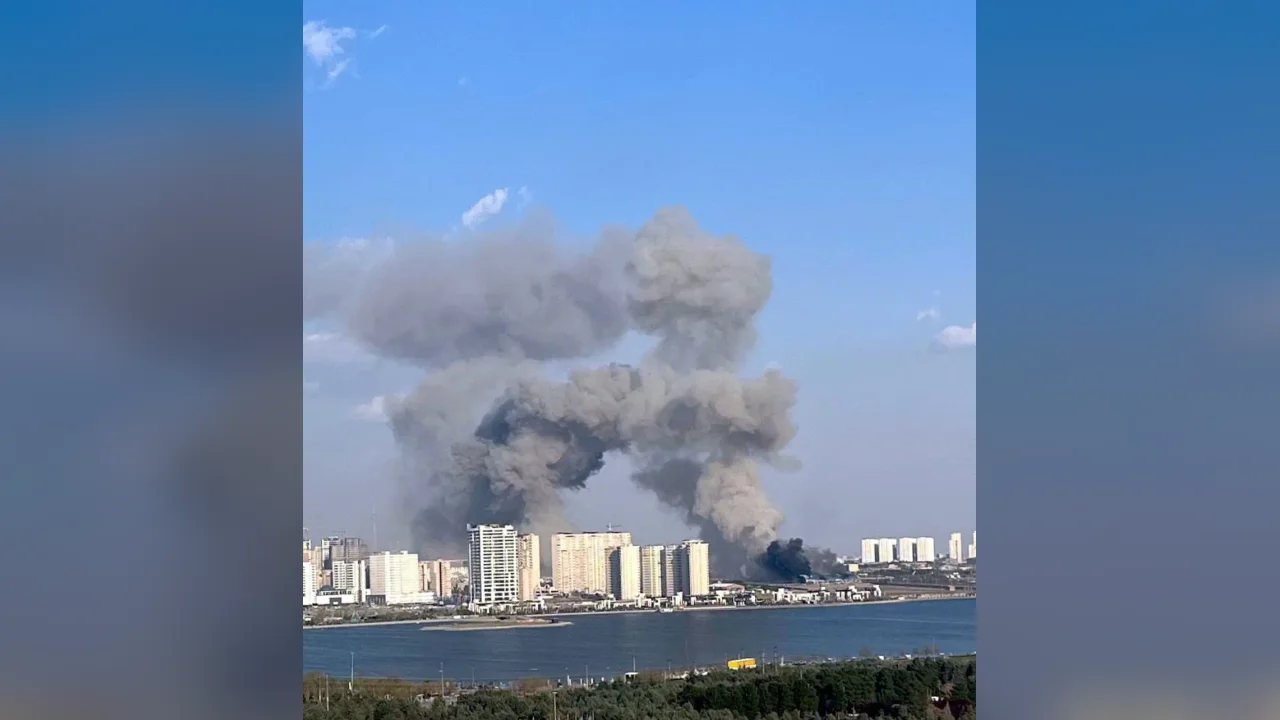
On June 26, 2026, Israel and Lebanon, with American mediation, signed a framework agreement to end the conflict and restore Lebanon's sovereignty over its entire territory. The agreement brings with it hope and a new spirit: a gradual Israeli withdrawal, the disarmament of Hezbollah, and the transfer of security responsibility to the Lebanese Army. However, within the political and security debate, the Shiite community—the one that bore the brunt of the fighting and paid the heaviest price—is almost disappearing. The question is not only whether the agreement will weaken Hezbollah, but whether it will return the Shiites to the Lebanese state or deepen their sense of alienation from it.
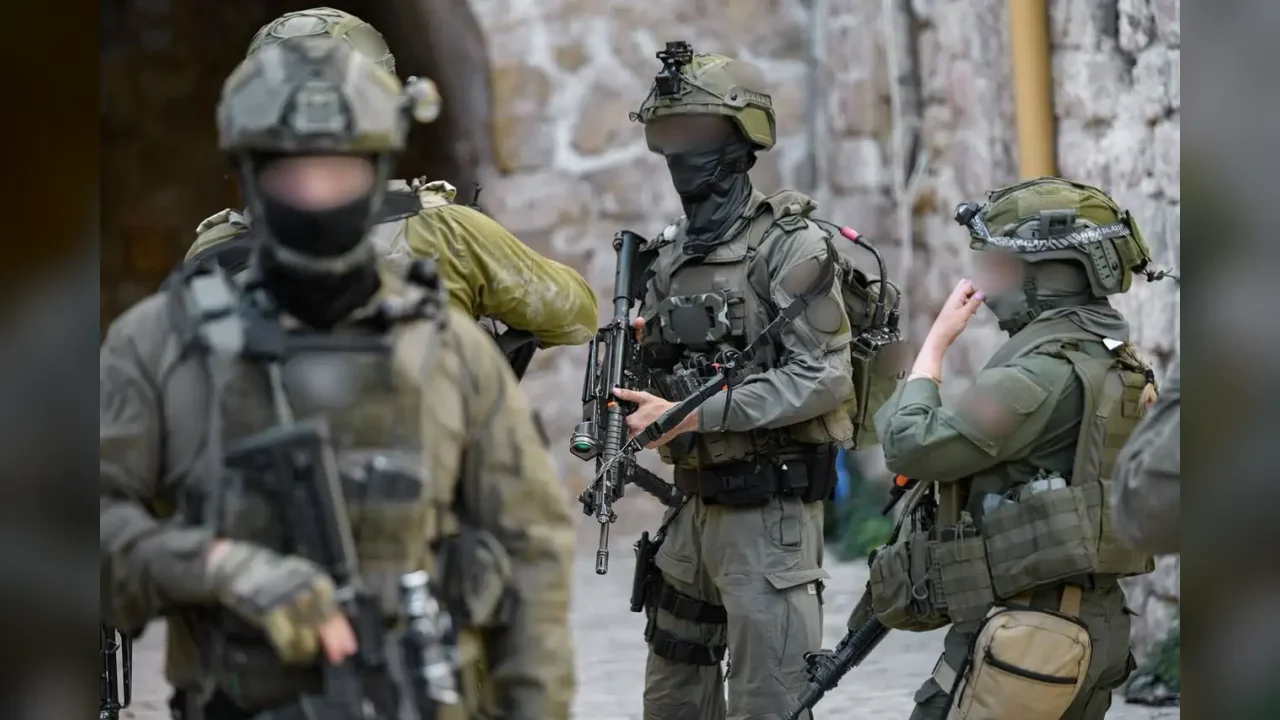
Article 3 of the agreement states that the Lebanese Army will gradually assume security responsibility in "pilot zones" in parallel with the IDF withdrawal. Only after the verification of the disarmament of non-state organizations and the dismantling of their infrastructure will international reconstruction efforts begin: building houses, repairing infrastructure, and restoring civil services. This is the key to the agreement, but also its weakness. Reconstruction is conditional on disarmament and security progress, and in the meantime, Israel continues to hold the territory, villages remain inaccessible, and thousands of Shiites continue to live as displaced persons. The agreement promises them a future, but does not provide a solution to the problem. For secular Shiites and opponents of Hezbollah, the agreement is a historic opportunity. It may restore the state's control over the border and the decision-making on matters of war and peace, and finally sever the link between Shiite identity and dependence on an armed organization subordinate to Iran's regional project.
The big hole in the agreement
Shiite-Lebanese journalist Muhammad Barakat, one of Hezbollah's prominent critics, sees the agreement as a wake-up call for the Shiite community. From his perspective, it may allow it to return to the state, the army, and civil institutions, and at the same time expose the failure of the model offered by Hezbollah: promises of security, victory, and reconstruction, which in practice left behind destruction, displacement, and losses. But here the big hole in the agreement is revealed: even if the state commits to rebuilding, it is unclear who will rebuild the villages, compensate the families, restore sources of livelihood, and take care of those who cannot return as long as Israel remains in the territory.
A promise of reconstruction is not a reconstruction plan, certainly not in a country suffering from economic collapse and deep institutional weakness. Hence the difference between weakening Hezbollah and creating a real alternative to it. It is possible to push the organization away from the border and transfer responsibility to the Lebanese Army, but it is impossible to replace it with declarations and words written on a page. If the state does not provide security, aid, and reconstruction in practice, it will not detach the Shiite public from the organization, but only leave it weaker, more exposed, and convinced that it has been abandoned again. The danger is particularly acute among Hezbollah supporters. In their eyes, they are required to give up the force perceived as the protector of the community, while Israel is still in the territory and the state has not yet proven that it is capable of protecting them.
Thus, the agreement may be perceived not as the restoration of sovereignty, but as an Israeli-American move that the Lebanese government is helping to impose on the Shiites. This is the true test of the agreement: not only whether Hezbollah will be disarmed, but who will fill the void that will be created. Sovereignty does not boil down to waving a flag, deploying soldiers, or words written on a page. The state must provide a roof for the displaced, compensate the families, and establish a dedicated reconstruction authority that will handle the rebuilding of the villages, the restoration of sources of livelihood, and the return of life to them. If the state succeeds in this, the agreement may open a real path for the Shiites back to it. If it fails, it will not only miss a historic opportunity—it will give Hezbollah its strongest argument: the state demands that the Shiites give up their weapons, but again leaves them to cope alone.
Dr. Noa Riven is a research fellow at MECARC at Ariel University, a member of the Dvorah Forum, and a lecturer in the fields of the Middle East and Islam.