Should You Stop Wearing Shoes Indoors? The Hidden Bacteria on Soles
Walking indoors with outdoor shoes introduces hidden bacteria, including E. coli, onto household floors and carpets. Experts explore the risks and benefits of leaving shoes at the door.
Walking indoors with the same shoes worn throughout the workday and across public spaces introduces far more than simple dust and mud into living areas. Scientific studies examining footwear soles frequently uncover a range of microorganisms, including potentially harmful pathogens that accumulate on surfaces during routine daily transit.
What Lurks on Footwear Soles
Throughout the day, shoes come into continuous contact with diverse environments, gathering dirt, soil, public walkway residues, and biological waste from both animals and humans. Research has specifically identified Escherichia coli, commonly known as E. coli, on footwear soles, a bacterium frequently associated with gastrointestinal infections.
When people walk indoors with street shoes, these microorganisms can easily transfer onto household flooring, carpets, and rugs. From those surfaces, they can be picked up by hands, toys, and other everyday objects. This transfer mechanism poses a particularly relevant consideration in households where infants crawl on the floor, young children play directly on surfaces, or pets roam freely and interact with living areas.
While studies confirm that bacteria readily transfer from shoe soles to indoor flooring, direct epidemiological evidence linking indoor shoe-wearing to a significant spike in illness remains limited. Actual health risks depend heavily on bacterial species, concentration levels, the receiving surface, and individual exposure rates.
Practical Steps for a Cleaner Home
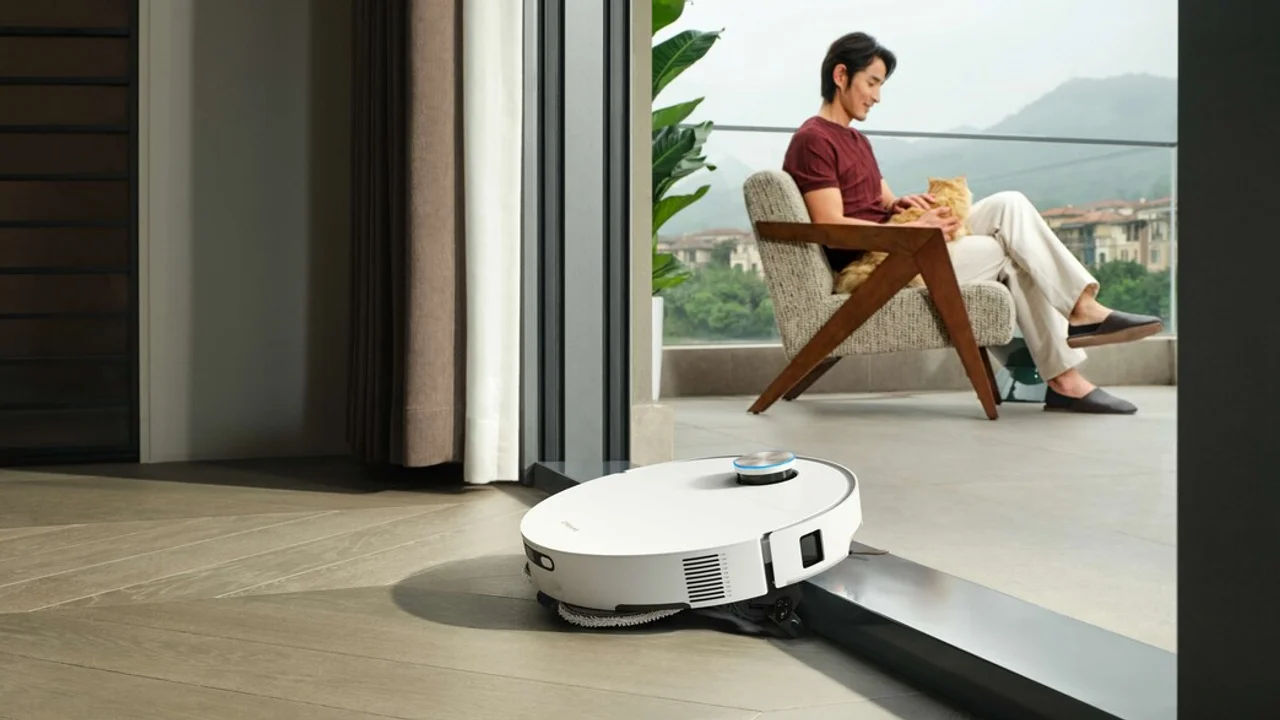
Removing shoes at the entrance provides a straightforward method to minimize the influx of outside dirt and microorganisms. Experts advise leaving outdoor footwear by the door, adopting dedicated indoor slippers, and maintaining a regular floor-cleaning routine, with special attention given to spaces where children play.
There is no need to panic or excessively sanitize shoe soles after every single trip outdoors, nor is every microscopic organism brought inside guaranteed to cause disease. However, leaving outside grime at the doorstep remains a simple, effective habit that helps maintain a cleaner living environment.