Phoebe Bridgers Phone Ban Sparks Creative Sketch Trend Among Concertgoers
Phoebe Bridgers banned smartphones on her latest tour, inspiring fans to sketch concert highlights in sketchpads and spark a viral creative movement on social media.
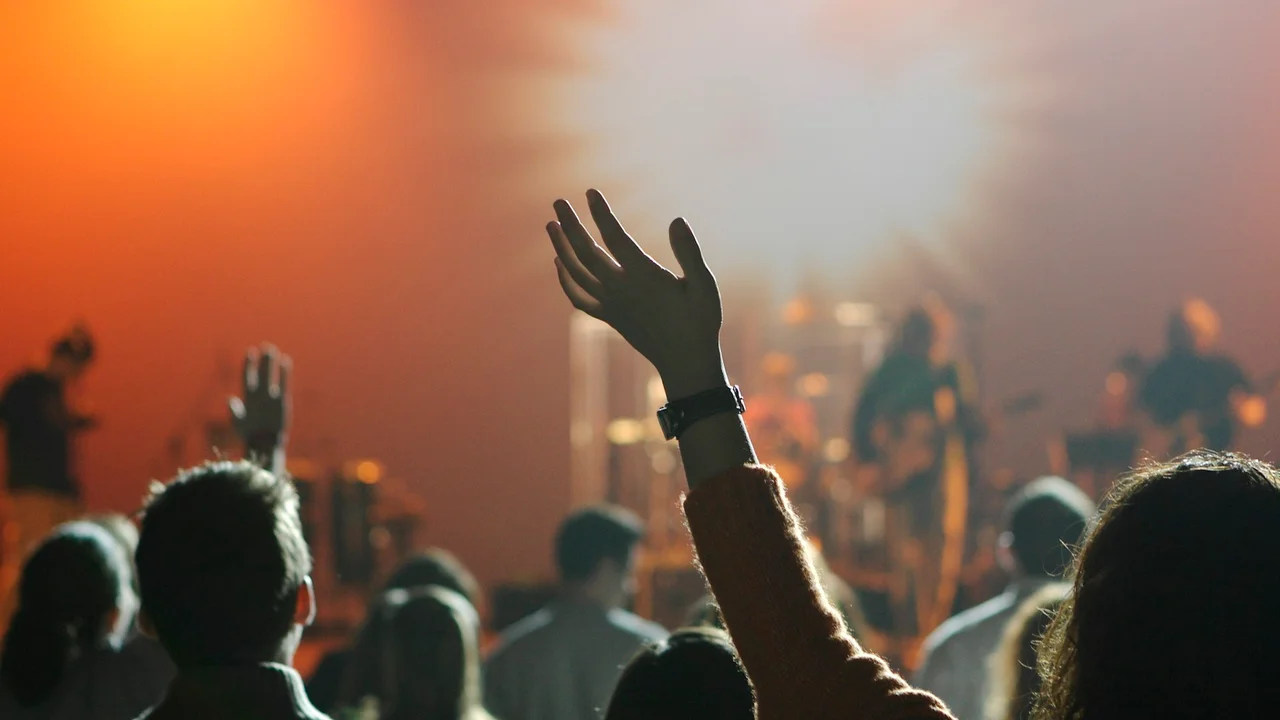
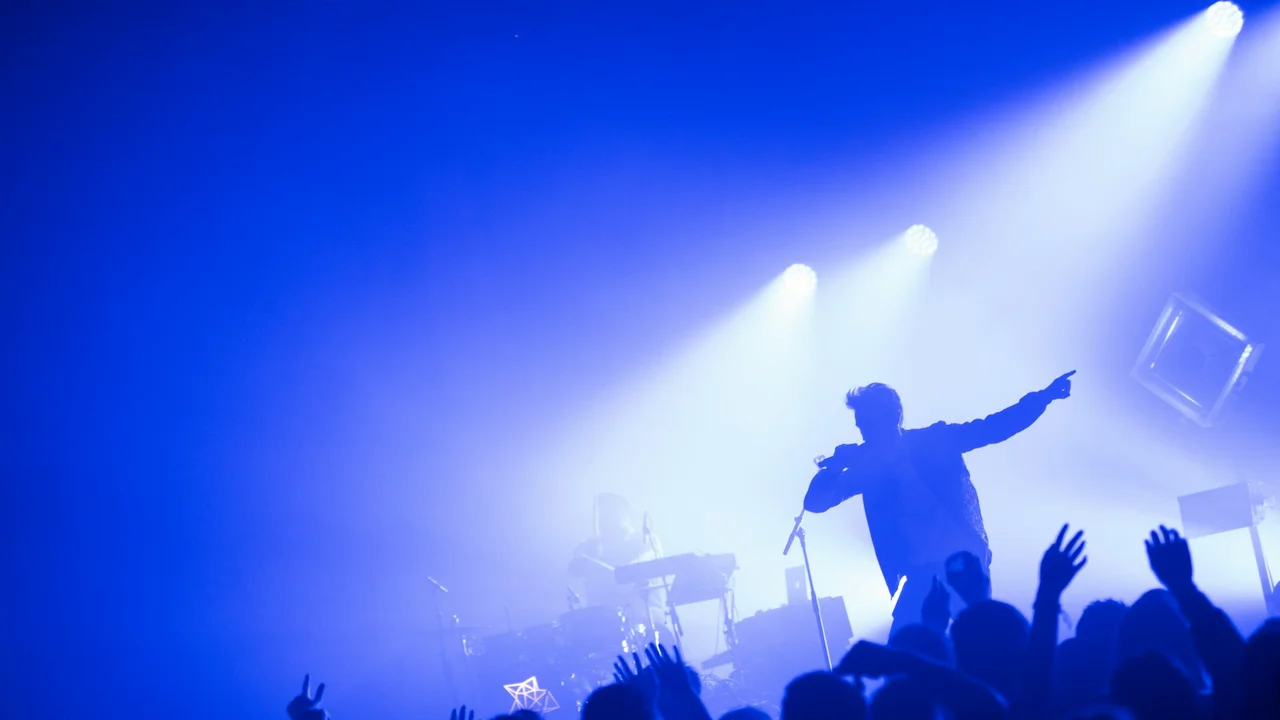
In an era where packed concert venues are typically transformed into glowing seas of smartphone screens blocking the stage, fans of American singer Phoebe Bridgers have embraced a surprisingly creative alternative. Following in the footsteps of artists like Bob Dylan and Jack White, the 32-year-old singer-songwriter instituted a strict no-phone policy for her latest tour, requiring audience members to secure their devices in specialized, locked pouches upon entering the venue.
Bridgers launched the tour behind her highly anticipated third studio album, Lost Weekend, released last summer after a six-year hiatus. The critically acclaimed record, which explores themes of love, heartbreak, and grief, earned a prestigious Grammy Award nomination. However, it is her unconventional concert policy that has unexpectedly sparked a massive cultural trend. Devices remain with their owners but are rendered inaccessible except in designated lobby zones, eliminating all filming, live streaming, and instant uploads to platforms like ByteDance (TikTok).
A Renaissance of Hand-Drawn Concert Memories
While the restriction initially caught concertgoers off guard, attendees quickly discovered that the phone-free environment fostered a deeper, more immersive connection to the music. Olivia McDonald, a 28-year-old artist from Massachusetts who attended a show in Boston, noted that the absence of screens meant the crowd was fully present, dancing, singing, and conversing together. Armed with a sketchbook, McDonald began capturing memorable visual highlights of the performance, including Bridgers' signature blue eye makeup and a guitar formerly owned by the late musician Elliott Smith.
"When you capture a photo or a video, you are recording a moment in time. But when you draw, you truly manage to capture a feeling, and people can connect with that feeling," McDonald explained.
Other attendees similarly traded digital cameras for sketchpads. Anna Meyer, a 35-year-old graphic designer from New York, immortalized the moment Bridgers knelt by a piano under a solitary spotlight. Meyer emphasized that the phone ban offered a refreshing pushback against digital saturation, noting that handmade art carries a genuine human touch that computers and artificial intelligence simply cannot replicate.
Viral Success and Community Reaction
Hand-drawn concert art has rapidly evolved into a viral sensation across social media. Lily Collins, a 20-year-old fan from Michigan, shared videos of her watercolor sketches from a Detroit show on TikTok, where her work drew enthusiastic praise and prompted her to seriously consider an artistic career. The movement received official validation when Bridgers' team shared several fan-created illustrations on the tour's official Instagram account, leaving creators thrilled.
Beyond artistic expression, fans highlighted that the policy preserves the element of surprise, preventing setlists and stage designs from being spoiled online beforehand. While some critics initially raised concerns regarding emergency accessibility, Bridgers addressed the Boston crowd directly, explaining that the measure was designed to create an intimate, unfiltered space where she could converse freely with her audience without inhibition. Ultimately, the bold policy has successfully cultivated an engaged, distraction-free musical experience while sparking an unexpected wave of grassroots artistry.