Israel Opera's Peter Grimes Holds a Striking Mirror to Modern Society
The Israel Opera's powerful production of Benjamin Britten's masterpiece Peter Grimes examines mob mentality and isolation, holding a striking mirror up to modern society.
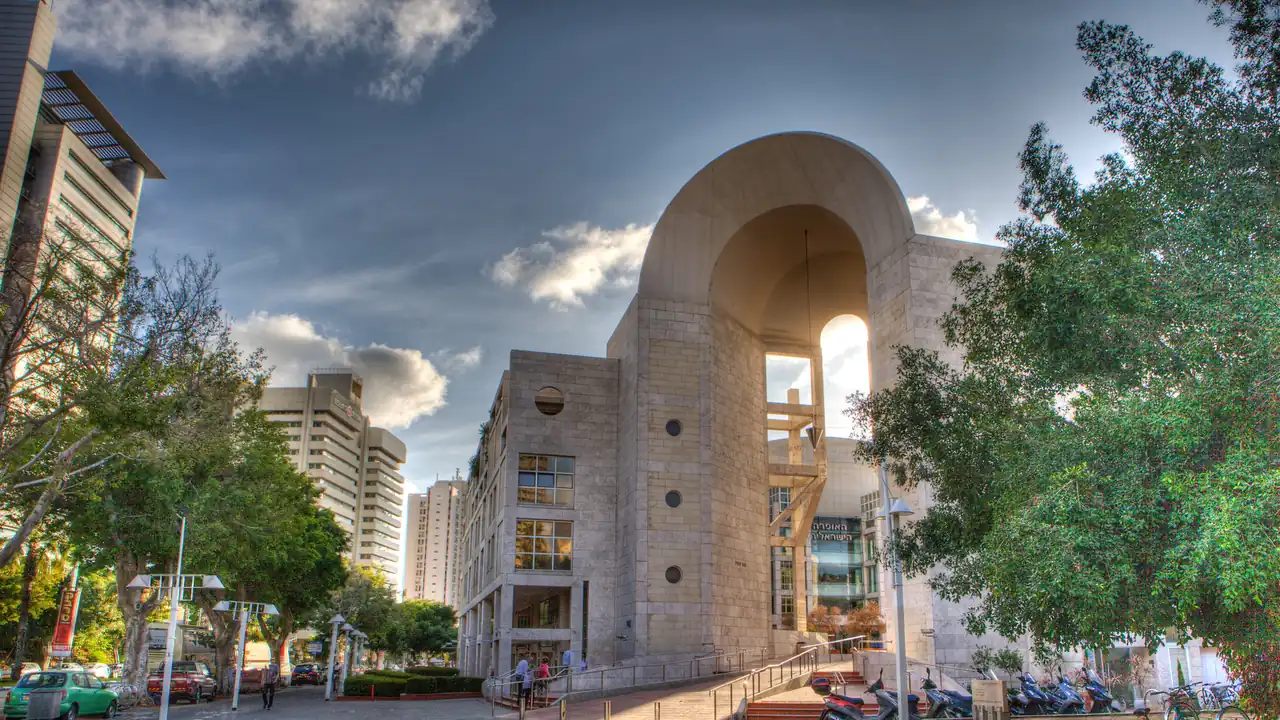
English cultural heritage and the dark currents of human society intersect dramatically in the Israel Opera production of Benjamin Britten's masterwork "Peter Grimes". Directed by Mariusz Treliński and conducted by Alexander Joel, with the Israel Opera Choir under the direction of Itai Berkovich, the production delivers an intense musical and theatrical experience that resonates deeply with contemporary realities.
From Poetry to Opera
The roots of the opera trace back to late 18th- and early 19th-century England, where poet George Crabbe shattered the idyllic illusions surrounding the working class in fishing villages. His 1810 work "The Borough" served as the direct inspiration for Britten's opera. Conceived during World War II while Britten stayed in the USA, the opera premiered at London's Sadler's Wells Theatre in June 1945, marking the triumphant return of cultural life at the end of the conflict.
The Tragedy of the Outsider
Across three tragic acts, the obsessive fisherman Peter Grimes stands accused of the deaths of two young apprentice boys. The narrative exposes the dangerous mechanics of mob mentality, mirroring profound 20th-century psychological insights. Erich Fromm explored this paralyzing surrender to totalitarianism in his 1941 book "Escape from Freedom", while authors like Shirley Jackson, George Orwell, and William Golding examined how groups consume the vulnerable.
Britten captures this dynamic brilliantly, notably in the famous second-act passacaglia. An obstinate bassline represents Grimes's isolation, while evolving variations overhead symbolize the uniform, suffocating pressure of the crowd closing in around him.
The Contemporary Resonance
This powerful exploration of collective hostility holds up a striking mirror to modern society. In an era marked by internal polarization, mob violence, and ideological uniformity, the production urges audiences to reflect on the dangerous paths where unchecked crowd mentality can drive even enlightened societies.