100% Cotton Exhibition at Shenkar Explores Fashion and Science
A new Shenkar exhibition titled "100% Cotton," opening December 2 at the Rosen Design Gallery in Ramat Gan, explores the intersection of fashion, botany, and chemical engineering through a unique two-year research project.
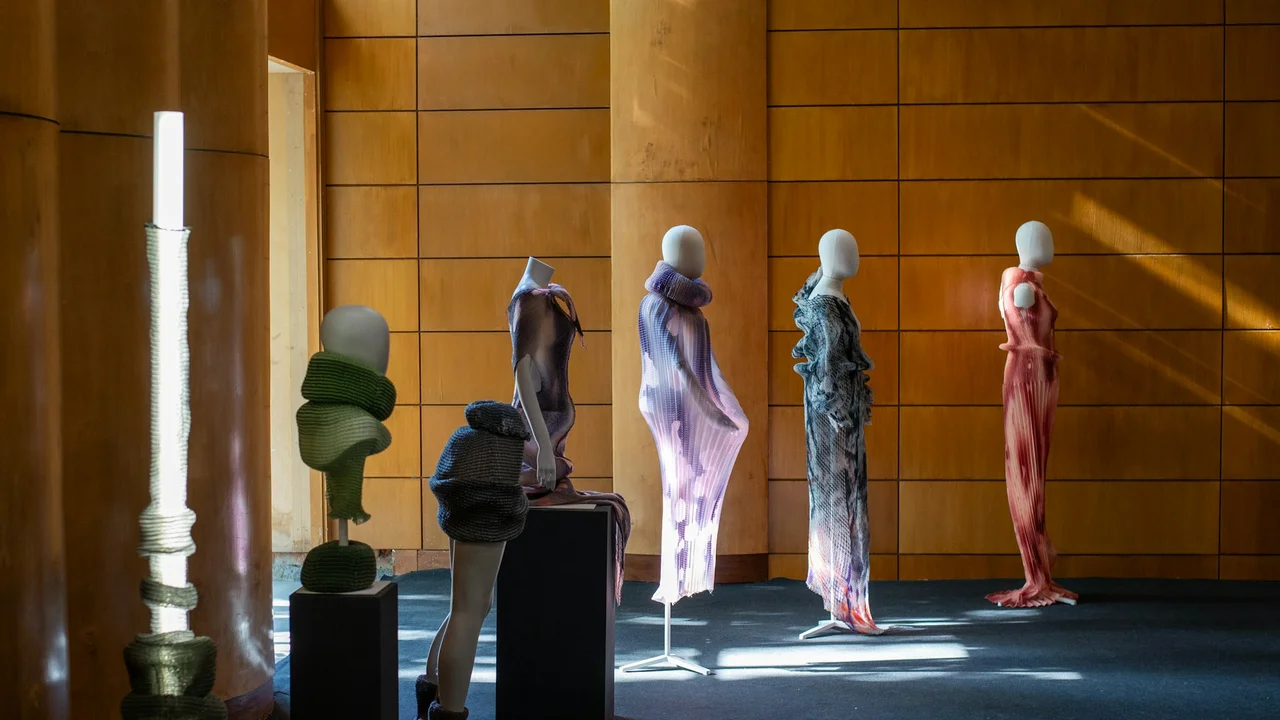
The ubiquitous "100% cotton" label appears on countless items in our wardrobes, instantly associated with everyday comfort, natural quality, and tactile familiarity. Yet, few consumers ever pause to consider the resilient botanical origin of the fiber itself. A new exhibition titled "100% Cotton," which opens on December 2 at the Yacov and Tamar Rosen Design Gallery at Shenkar, seeks to examine this familiar raw material from an unconventional perspective, shedding light on the intricate intersection between fashion, botany, and chemical engineering.
A Two-Year Interdisciplinary Research Journey
The exhibition is the culmination of a two-year interdisciplinary research project, marking a pioneering collaboration at Shenkar between fashion designer and senior faculty member Maya Arzi and Dr. Nir Debouton, a pharmacist, researcher, senior lecturer in the Department of Chemical Engineering, and head of the Pharmaceutical and Cosmetic Research Institute at Mossad. The duo embarked on an extensive empirical journey following the cotton plant from its cultivation fields in the Hefer Valley down into the laboratory and the design studio, examining its innate material properties and uncovering novel applications for its various botanical components.
At the center of the gallery installation stands a striking artificial cotton field constructed entirely from discarded cotton textiles. Arzi gathered old luxury pima cotton bedsheets and, through meticulous pattern development, precision cutting, and intricate handcrafting, transformed the used fabrics into realistic replicas of natural cotton blooms. In this poetic transformation, industrial textile waste symbolically returns to its organic point of origin. To secure and stiffen the delicate petal structures, the creators utilized specialized binding materials developed directly from cotton seeds during the course of the research.
Bridging Fashion Design and Scientific Innovation
Alongside the textile installation, the exhibition showcases botanical specimens gathered throughout the project, including flowers in various stages of bloom, delicate petals, seed capsules, and raw seeds. Visitors can also explore experimental adhesives and bio-plastic compounds synthesized in the laboratory from plant constituents, demonstrating how a material traditionally relegated to the apparel industry holds immense potential for entirely different sectors.
"As I observed the plant more closely, I realized that the mysterious cotton flower itself was what I wanted to share with visitors, and its changing color palette represents the ultimate fashion moment of cotton," Arzi explains. "As a fashion designer, I returned to the fundamental tools I know best: pattern development, fabric cutting, and manual craftsmanship. I created flowers out of luxury pima cotton from used bedsheets, gradually constructing an entirely new field. For me, there is profound meaning in taking a material that already became a textile product and guiding it back to the shape of the flower where everything began."
Dr. Debouton similarly noted how the cross-disciplinary dialogue unlocked fresh creative avenues. "In scientific work, we are naturally accustomed to focusing strictly on material properties, chemical composition, and targeted outcomes," he states. "Collaborating with Maya forced me to observe possibilities I might not have initially sought, contemplating how knowledge and tools developed for specific purposes can acquire new meanings and applications across entirely different fields. I believe there is immense potential in such encounters precisely because each of us approaches the subject with entirely different questions."
Curated by Michal Krasny, the exhibition goes beyond presenting final aesthetic objects by laying bare the exhaustive working methodology behind them. The gallery space seamlessly merges the atmosphere of an agricultural field, a scientific laboratory, and a design studio, featuring raw samples, analytical findings, and biomaterials gathered over two years of investigation supported by the research fund of the Shenkar Research and Creation Authority. "100% Cotton" invites audiences to reevaluate a material we take for granted, proving that even the simplest wardrobe label conceals a complex world of scientific and artistic possibility.