Shas Rejects Non-Likud Government as Ultra-Orthodox Factions Split on Talks
Ultra-Orthodox factions are divided over coalition talks, as United Torah Judaism signals openness to the change bloc while Shas Chairman Aryeh Deri insists on joining only with Likud.
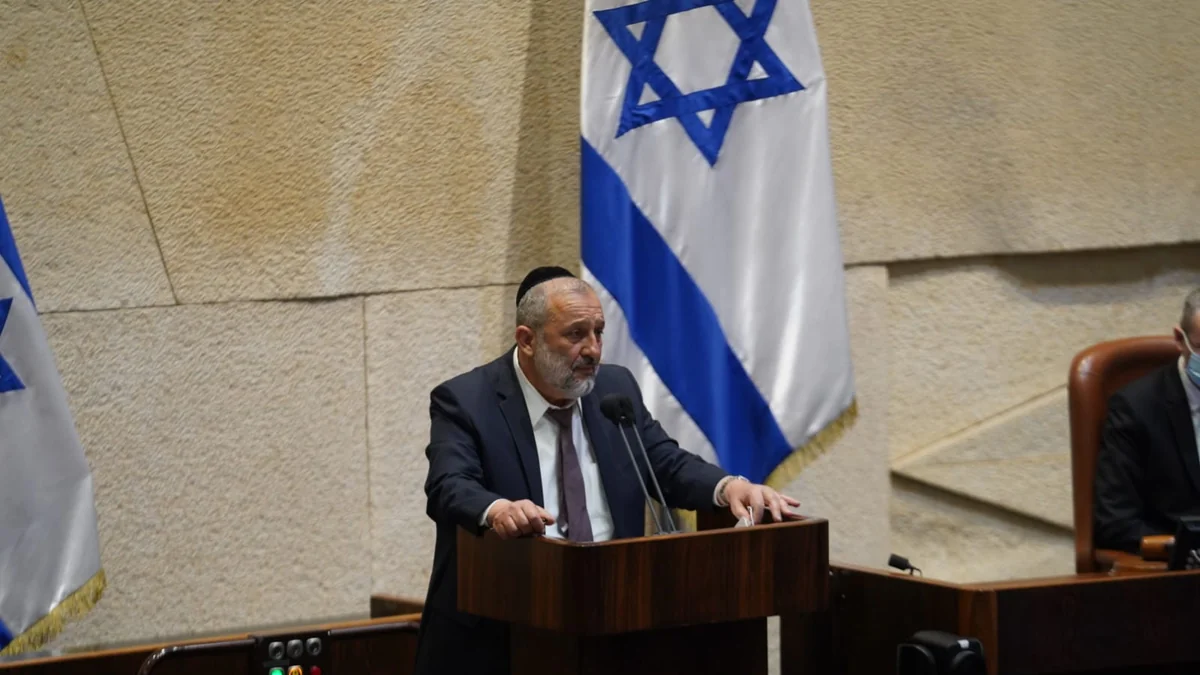
Ultra-Orthodox political sources report a fundamental divergence in strategy between United Torah Judaism and Shas Chairman Aryeh Deri regarding potential coalition negotiations. While United Torah Judaism shows openness to discussions with the change bloc, Shas insists it will not join such a government without Likud.
According to insiders, Aryeh Deri stated in closed-door conversations that he refuses to enter a change government. "The Oslo experience was enough for him," sources noted, adding that Shas is unwilling to sit with the left again and bear the political cost. Deri maintains that if a right-wing government cannot be formed, Shas would only participate in a unity administration alongside Likud.
Mandate Math: The Road to Sixty-One
The gap between the two ultra-Orthodox factions highlights the complex arithmetic following the 26th Knesset elections, which left neither bloc with the requisite 61-seat majority. Benjamin Netanyahu's bloc holds 53 mandates, the change bloc commands 48, and Arab parties hold 19 seats.
The three primary change bloc factions hold a combined 41 mandates. Incorporating United Torah Judaism and its seven seats would bring a prospective coalition to 48 mandates, 13 short of a majority. Including both ultra-Orthodox parties alongside the three change factions yields 54 seats.
Legislative Hurdles and Coalition Options
Alternatively, a minority government backed externally by Arab factions remains a theoretical possibility, though Avigdor Lieberman's opposition to ultra-Orthodox partners and Deri's rejection of a non-Likud coalition complicate matters. Discussions regarding the controversial IDF draft law also remain a central sticking point for any prospective agreements.
While ultra-Orthodox sources express cautious optimism about reaching compromises on enlistment quotas with change bloc leaders, they emphasize that success depends on mutual concessions. Deri's firm stance ultimately narrows the viable pathways for forming a new administration without Likud's inclusion.