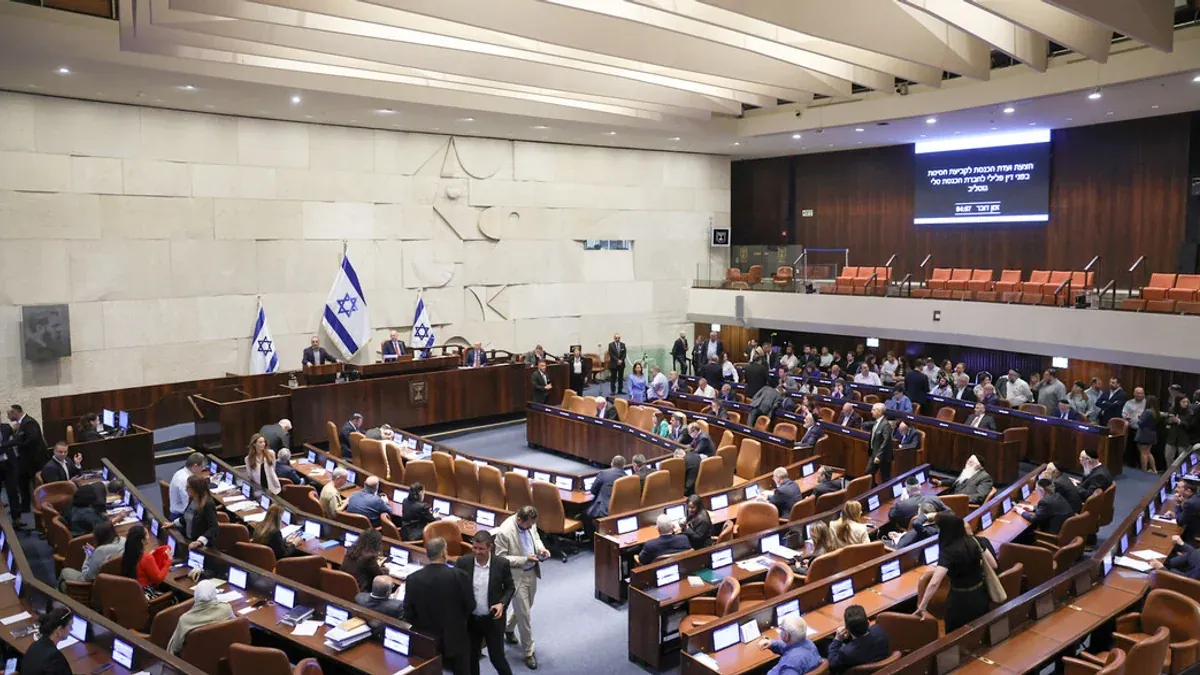
Knesset Deadlock Sparks High-Stakes Battle Over Arranging Committee Control
Knesset election results point to a political deadlock, with the impending battle over the Arranging Committee emerging as a critical power struggle between rival blocs before a government is formed.
Interim results from the 26th Knesset elections indicate a profound political deadlock, with neither bloc holding the majority required to form a government without significant compromises. However, alongside the struggle to build the next administration, a secondary power center is emerging that could become a central arena of conflict between the blocs: control over the Knesset Arranging Committee.
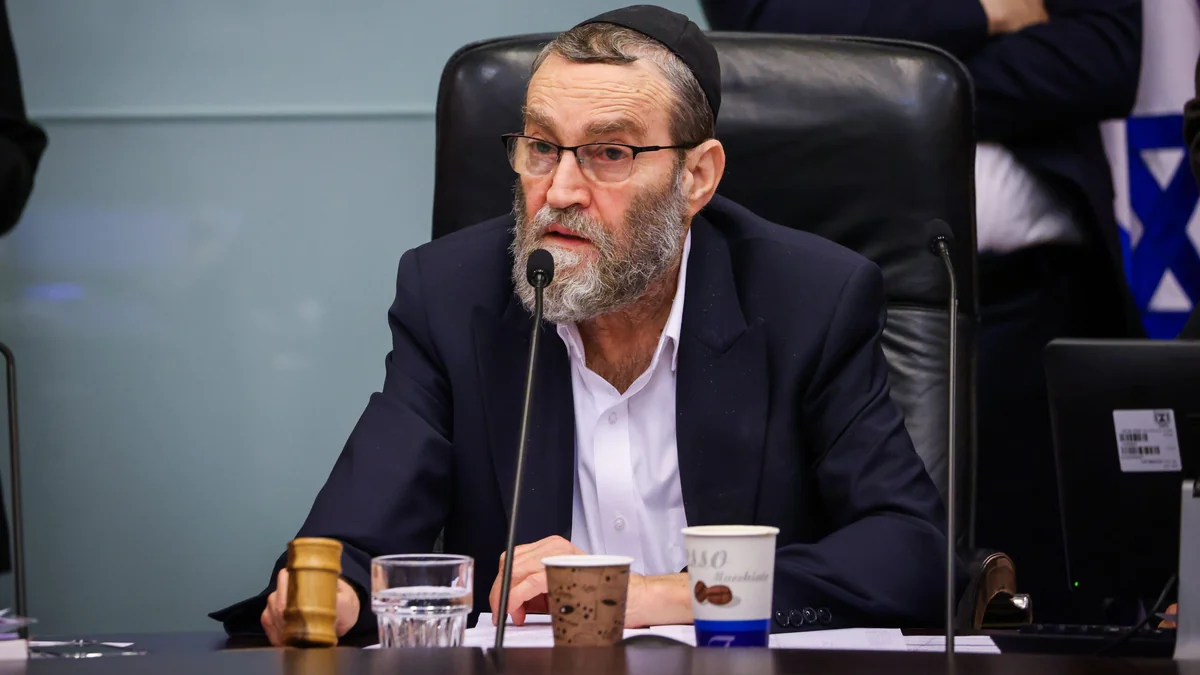
The Arranging Committee holds critical importance during a transition government, which may continue to serve for many months. The committee is responsible for formulating the composition of parliamentary committees and bringing them to the plenum for approval. Until permanent committees are established, it is authorized to set up temporary bodies, including for finance, foreign affairs, and defense. In a scenario of political ties between the blocs, the committee's composition could determine who wields parliamentary power before a new coalition is formed.
The battle over the committee's makeup is expected to center on power distribution among factions relative to their size in the Knesset. Control over this body could grant one bloc substantial influence over other committees, legislative procedures, and the advancement of bills. A suitable parliamentary majority could also enable a move to replace the Knesset Speaker, shifting the balance of power even before a new government is established.
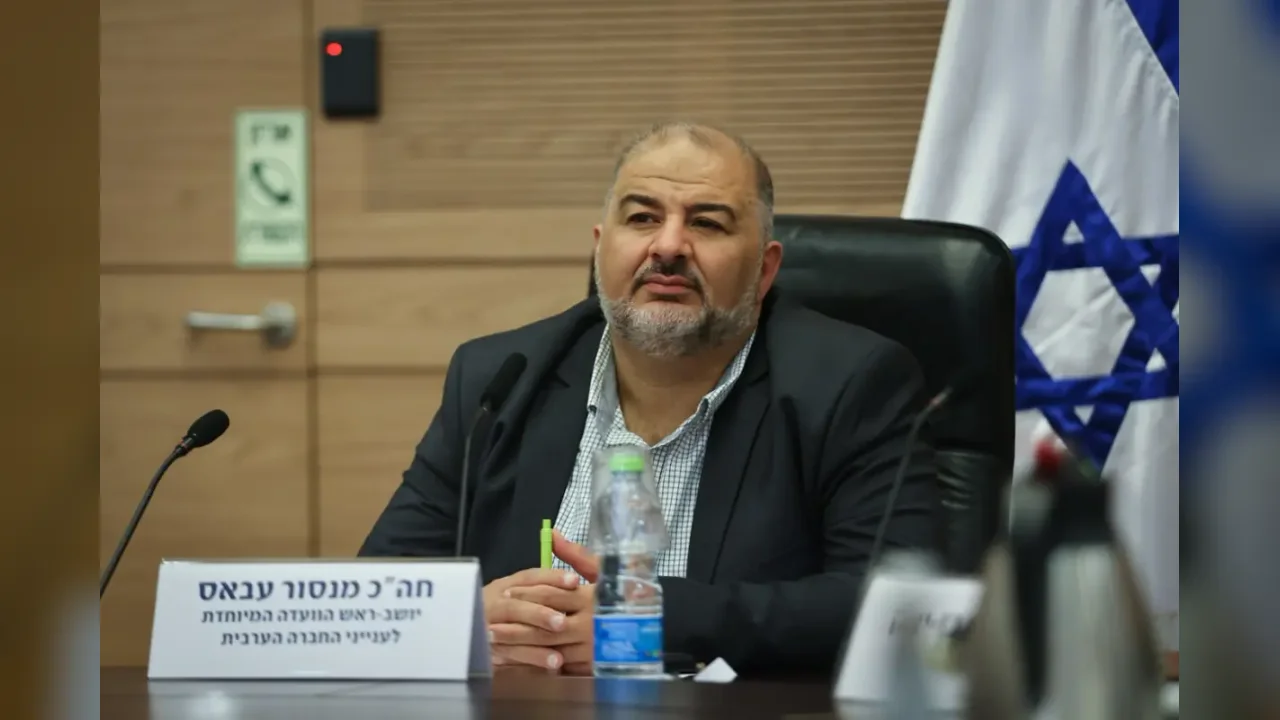
In this context, reports suggest potential quiet understandings between the right wing and Ra'am, led by Mansour Abbas, to influence the parliamentary balance of power. This prospect gained traction following comments made by Abbas to local media after polls closed, revealing that a senior right-wing official had recently approached him regarding cooperation and discussions over the Incumbent Prime Minister Bill.
The struggle for parliamentary control is also tied to the question of who receives the mandate to form a government first. The President's Residence believes the political picture must be examined in full, though options for forming a government remain limited. Even in a deadlock, the president retains tools within his constitutional authorities, guided primarily by the national interest.
Political assessments indicate that President Isaac Herzog might task Gadi Eisenkot with forming a government if he secures a larger number of recommenders. Nonetheless, the number of recommendations is not strictly binding, as the president must assess which lawmaker is best positioned to succeed. This decision carries direct parliamentary implications since, by law, the Arranging Committee is chaired by a member of the faction belonging to the mandate recipient.
Within Benjamin Netanyahu's circles, two distinct approaches are reportedly being discussed. One view holds that it would be advantageous for Netanyahu if Eisenkot receives the mandate first, attempts to form a government, and ultimately fails. Such a failure could reinforce Netanyahu's argument that no viable alternative exists to a government led by him.
Conversely, Netanyahu historically prefers to receive the mandate first to retain political initiative and influence early Knesset maneuvers, including the fight over the Arranging Committee. Under this approach, even if Eisenkot's chances are negligible, Netanyahu would rather avoid granting a political rival the first opportunity to steer parliamentary proceedings.