Israel Election Results Show Deadlocked Blocs as Pressure Mounts for Coalition
Final election results reveal no bloc has a majority to form a government, prompting protests and calls from activists and politicians for a Jewish-Arab coalition.
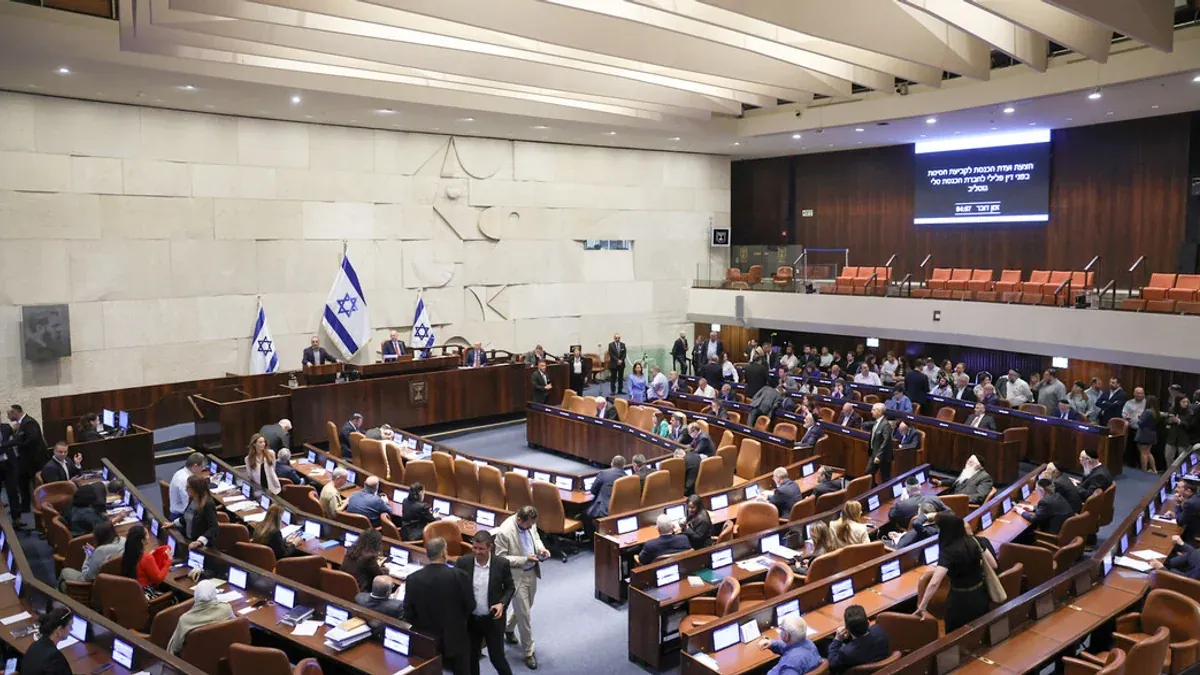
Following the final vote count and the tallying of double-envelope ballots, the true political map has emerged, confirming pre-election polling trends: neither major political bloc holds a majority required to form a government.
Protests and Calls for Jewish-Arab Partnership
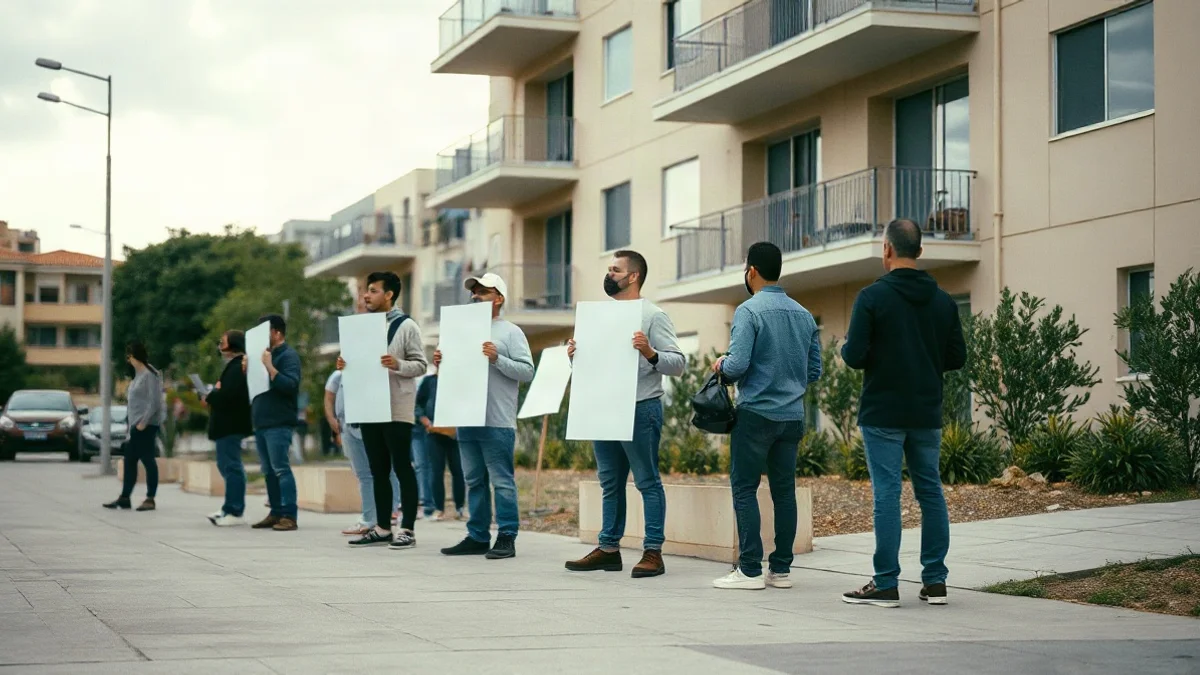
Amid these developments, approximately 200 demonstrators gathered in Herzliya outside the home of Yashar party leader Gadi Eisenkot, demanding the formation of a government based on Jewish-Arab partnership. Protesters chanted slogans such as "The people have decided—Jewish and Arab partnership," with similar rallies taking place in Jerusalem and Haifa.
Calls for including Arab parties in a governing coalition extend beyond grassroots activists. Throughout the campaign, The Democrats leader Yair Golan consistently advocated for a Jewish-Arab alliance. In an interview earlier this month, Golan stated, "My view is that a Jewish-Arab partnership is entirely possible."
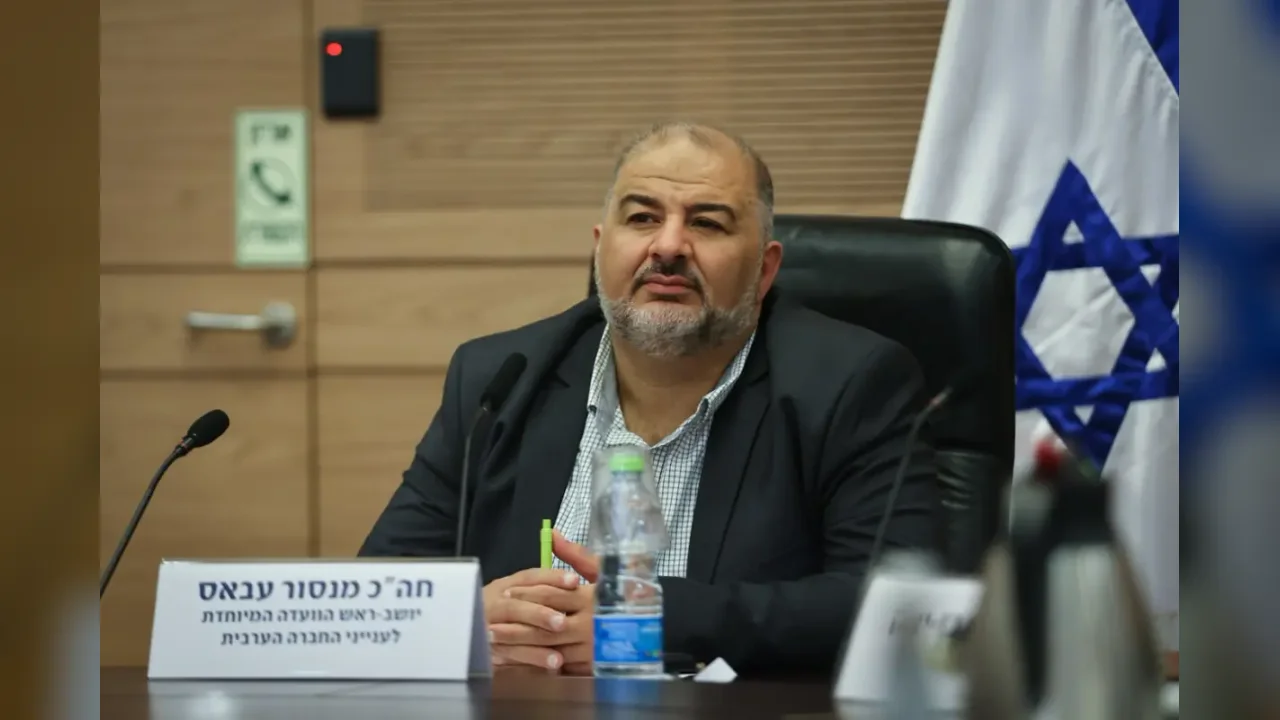
Following the elections, Golan renewed his appeal, arguing that a unique opportunity has arisen to establish an alternative government incorporating Arab Israeli citizens. On Thursday, Golan met with Ra'am leader Mansour Abbas to discuss potential avenues for forming an alternative coalition.
Cultural Figures and Public Pressure
Beyond politicians and activists, hundreds of cultural figures have thrown their weight behind the initiative. According to reports, hundreds of writers, poets, and artists addressed leaders of the change bloc, urging them to cooperate with Arab factions to replace the current administration.
In an open letter, the signatories called on political leaders to set aside past grievances and build a political partnership capable of instigating governmental change. "The Arab parties are extending a hand for repair, and we must not ignore that outstretched hand," the signatories declared.
Eisenkot's Stated Conditions
Despite mounting pressure, Gadi Eisenkot maintained a different stance during the campaign. In media interviews, Eisenkot clarified that he would not rely on Arab parties to support his government, establishing four strict conditions for political partnership:
-
Recognition of Israel as a Jewish, democratic, and liberal state.
-
Commitment to the Declaration of Independence.
-
Mandatory military or national service.
-
Recognition of Hamas as a terrorist organization that must be eradicated.
Eisenkot asserted that no existing Arab party meets all of these criteria.
Meanwhile, although opposition parties hold a combined total of 67 mandates, deep disagreements persist regarding the formation of a joint administration. Without Avigdor Liberman's Yisrael Beytenu party, the seat count for the change bloc and Arab factions drops to 60. As inter-party negotiations begin, public pressure on Eisenkot is expected to intensify.