Settler Arson and Violence Inflict Severe Economic Ruin Across West Bank
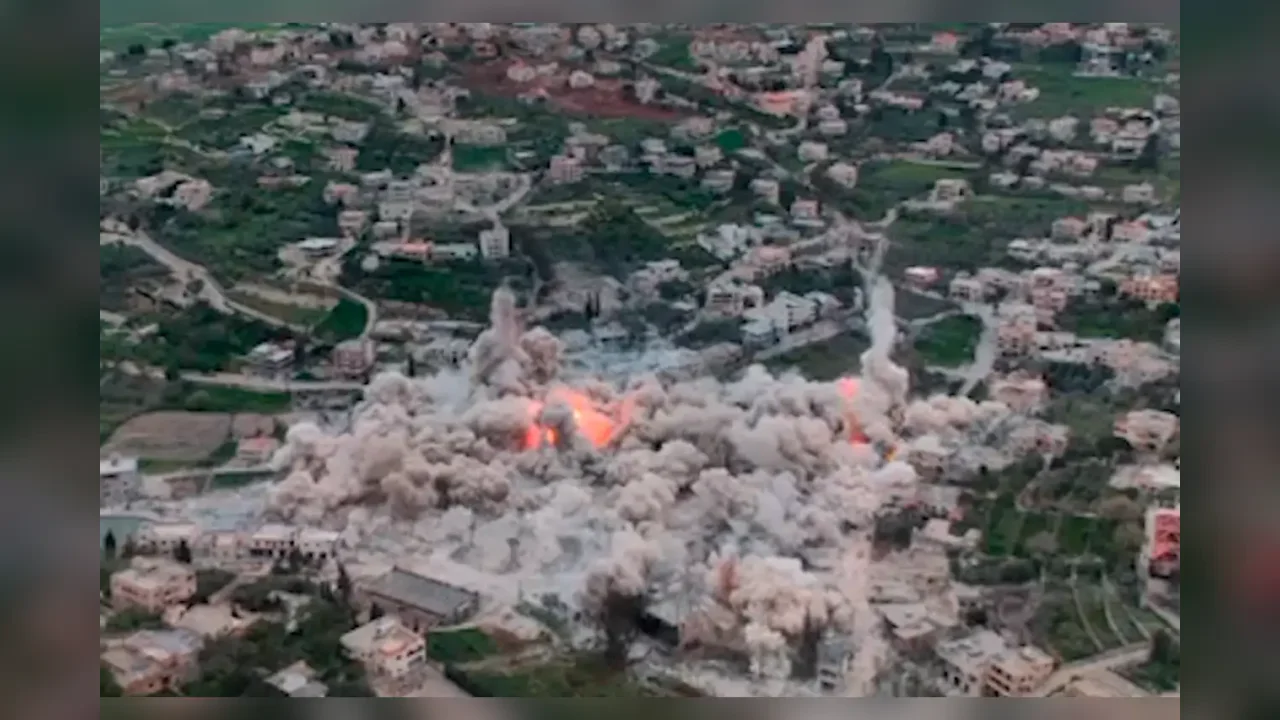
Extremist settler violence and nightly arson attacks across Palestinian villages in Judea and Samaria are causing millions of shekels in economic losses. Victims face total financial ruin without access to property tax compensation or insurance coverage.
A wave of nightly attacks, arson, and property destruction by extremist settlers across Palestinian villages in Judea and Samaria is inflicting catastrophic economic ruin on local households and businesses. Victims find themselves entirely unprotected, lacking access to the Property Tax Compensation Fund available to Israeli citizens, while insurance companies refuse to cover what they classify as "war-like damage."
Nighttime Arson and Devastation
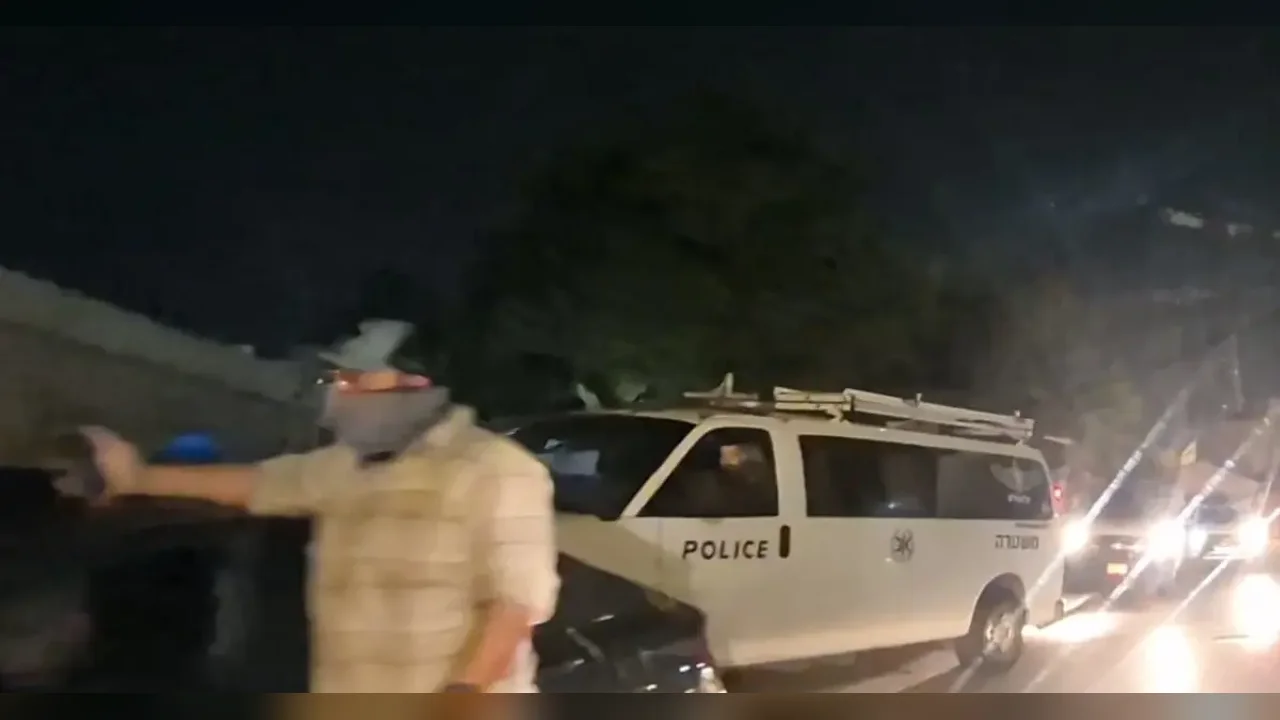
In the early hours of a recent Sunday, Muntaser al-Malhi awoke to the crackling roar of flames on the northern outskirts of the village of Malik. Outside his window, seven private vehicles and a sand-hauling truck were engulfed in fire. His neighbor's daughter, Razan, had spotted four masked individuals igniting the cars and pouring gasoline into the truck cab before shouting warnings to the neighborhood. The truck owner, Omar Hamayel, managed to save a single tire using a fire extinguisher, but the rest of the vehicle and seven other cars were reduced to charred skeletons. "That is a 1,000-shekel tire and I barely work," Hamayel said, noting that local insurance policies reject claims for settler violence. Al-Malhi reported that his income from agriculture and olive harvesting has plummeted by 60 to 70 percent because armed settlers have seized his grazing lands and olive groves.
The economic destruction spans the entire region. According to documentation compiled by activist groups, a single month of settler operations left dozens of vehicles torched, scores of structures burned, and extensive agricultural damage. Furthermore, since October 7, 2023, violent attacks have forced the displacement of more than 5,000 people across dozens of Bedouin herding communities, destroying roughly 1,000 households where families lost everything from solar panels to livestock and utility vehicles.
The Failure of Compensation Mechanisms
While Palestinian property owners have virtually no recourse for state compensation, a specialized Ministry of Defense and Ministry of Finance committee known as the 'Lifanim Meshurat HaDin' (LAMAD) committee was theoretically established to compensate victims of nationalist crimes. However, attorney Itay Mack, who represents Palestinian victims alongside the Tag Meir forum, noted that the committee has been starved of funds. Under the current government led by Finance Minister Bezalel Smotrich, not a single shekel has been allocated to the committee, leaving victims without financial recourse.
Legal avenues through Israeli courts face steep barriers. Attorney Michael Sfard explained that Israeli courts do not recognize state liability for negligence or "standing by" unless law enforcement personnel actively participated in the arson or theft. Despite these hurdles, landmark litigation is advancing. A groundbreaking 18-million-shekel lawsuit filed by the Palestinian real estate firm UCI against the State of Israel, the IDF, the Israel Police, and several settlers alleges that authorities enabled the sabotage of a 94-unit housing project in Area B.
Industrial-Scale Losses
Scale of the destruction is vividly illustrated at the "Brothers Garage" in the village of Luban al-Sharqiya, owned by Majed Samih Arar. On the night of November 10, a group of 50 to 70 masked individuals, some carrying long firearms and clubs, descended upon the multi-acre automotive compound and torched 47 vehicles awaiting repair. "The total damage is seven million shekels, all gone up in smoke," Arar stated, confirming that his insurance agent explicitly rejected coverage because the fire was set by settlers.