Inside Ramat David Air Force Base: Readiness and Operations on the Northern Front
A visit to the Ramat David Air Force Base highlights intensive F-16 and Apache helicopter readiness, rigorous maintenance protocols, and advanced counter-drone defenses amid ongoing regional security challenges.
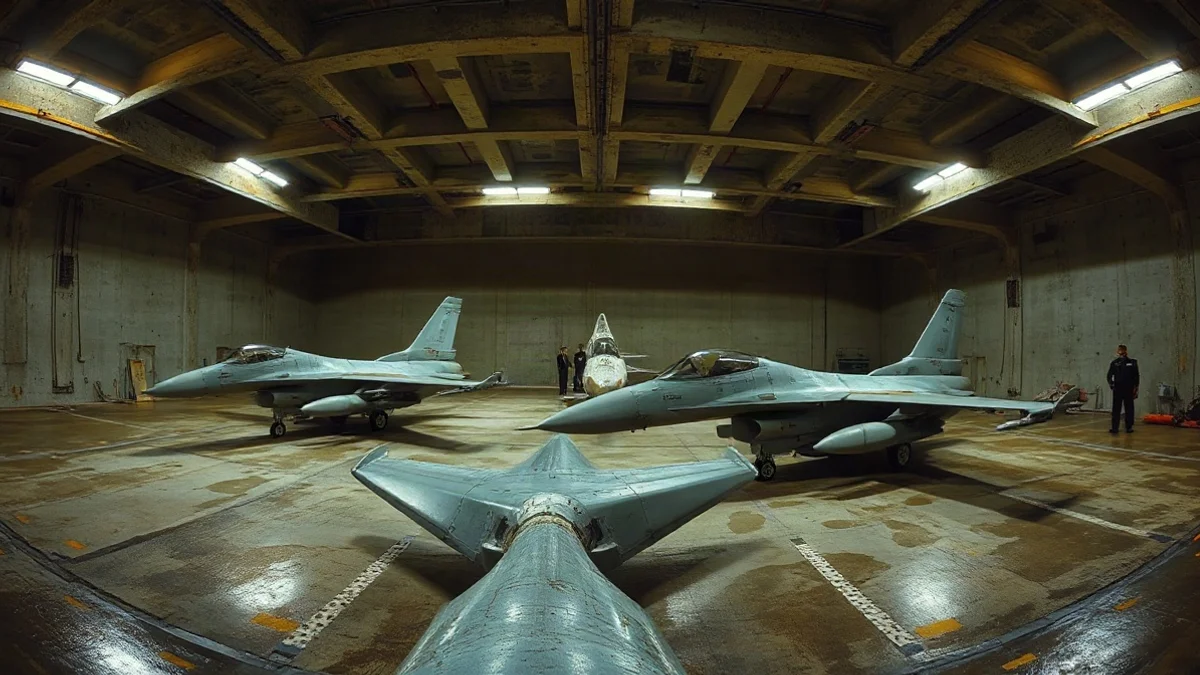
A visit to the Ramat David Air Force Base offers a close-up look at Israel's operational readiness and the relentless pace of air crews and maintenance teams under the command of Brig. Gen. A. Parked in underground protective hangars, F-16 fighter jets stand armed and ready for short-notice strikes, while ground personnel in black overalls move methodically across the tarmac.
Decades-Old Aircraft and Intensive Operations
The base houses three F-16 squadrons, largely operating Barak variants introduced in the 1980s. Despite being between 30 and 40 years old, these aircraft executed grueling missions during previous campaigns, flying five-hour journeys each way to strike targets in Iran. Following each landing, ground crews conducted rapid inspections, patched minor leaks, and re-armed the jets within an hour, enabling pilots to cycle back into the skies. Jets reaching critical flight-hour thresholds underwent rigorous tear-down overhauls on-base, ensuring 100% safe returns despite minor technical anomalies over Tehran and missile salvos targeting the installation.
While Iranian ballistic missile barrages during Operation Roaring Lion caused superficial damage to maintenance sheds and asbestos roofs, aircraft and weapons caches remained untouched. To counter growing airspace hazards, including newly deployed anti-aircraft systems and pro-Iranian militias equipped with shoulder-fired missiles in Iraq and Lebanon, flight planning is strictly vetted. Command directives strictly define three authorized levels of risk for pilots conducting high-priority missions aimed at neutralizing incoming projectile threats to the Israeli home front.
Adapting Defense Postures After October 7
A pivotal post-October 7 shift involved relocating an Apache helicopter squadron, the Peten, from the south to Ramat David to secure northern borders and intercept hostile UAVs launched from Iran, Iraq, and Yemen. Splitting the helicopter array required substantial investments, totaling tens of millions of shekels in infrastructure, personnel relocation incentives, and maintenance adjustments. Concurrently, the installation is rapidly bolstering defenses against fiber-optic guided drones—a threat demonstrated in Ukraine and Lebanon that bypasses electronic jamming and poses risks within a 60-kilometer radius.
Despite political debates in Jerusalem and Tel Aviv regarding regional escalation, personnel at Ramat David maintain operational focus and place absolute trust in the military chain of command. Veteran reservists and young active-duty pilots work shoulder-to-shoulder, maintaining elite readiness levels through grueling schedules and high-stakes missions.