Inside Mount Dov's Ruins: What Hezbollah Really Built on Israel's Border
An exclusive tour of demolished Hezbollah outposts on Mount Dov reveals a heavily fortified permanent installation that far exceeded initial assessments of temporary tents prior to October 7, 2023.
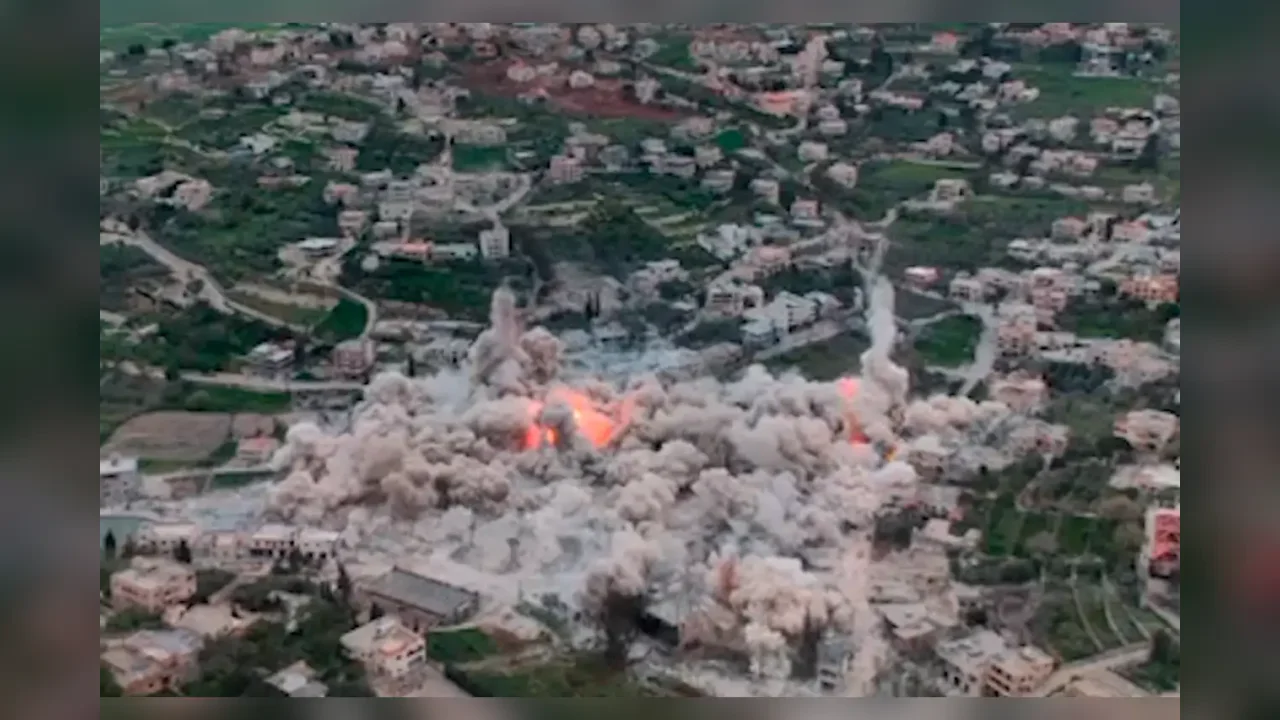
Exclusive field reports from the slopes of Mount Dov reveal that the structures established by Hezbollah prior to October 7, 2023, far exceeded the superficial impression of temporary tents that once dominated Israel's security perception. Following the destruction of the site during the opening days of the conflict, an inspection of the ruins exposes a fortified, permanent military outpost that extended into sovereign Israeli territory.
Remnants of a Fortified Outpost
Amidst the debris, crushed concrete blocks embedded with thick iron rebar, heavy rusted steel beams, and warped corrugated metal sheets indicate a heavily reinforced installation. An independent electrical infrastructure, including heavy lead-acid batteries, voltage converters with cooling fins, and wiring harnesses, demonstrates that the position was designed to remain operational and heated throughout the harsh winter months. Daily items, such as a nearly intact red cooking pot, plastic bowls, and water-storage barrels, further underscore the permanent nature of the encampment.
According to analysis by the Washington Institute, the first tent was erected on April 8, 2023, approximately 30 meters south of the Blue Line, followed by a second tent in late May. While initial assessments by senior political and military officials minimized the site as a minor provocation, the dismantled ruins paint a picture of a permanent forward staging ground. Following the outbreak of war, the site was targeted from the air, and subsequent sweeps by IDF forces uncovered few remaining weapons after much of the arsenal was evacuated.
Operational Shift and UNIFIL Complicity
Operating under the 810th Mountain Brigade of the 210th Bashan Division, reservists from the 221st Battalion of the Carmeli Reserve Brigade have spent their seventh consecutive rotation dismantling terror infrastructure in the sector. In contrast to the pre-war era, when patrols onto Mount Dov required dangerous nocturnal armored convoys, troops now navigate the region with high confidence.
Near the tent site, troops surveyed "The Fortress," an incomplete complex overlooking the Lebanese village of Shebaa. Battalion Commander Lt. Col. Y. noted that this axis served Hezbollah for covertly transferring heavy machinery, construction materials, and weaponry. Furthermore, joint operations with the Yahalom combat engineering unit uncovered a subterranean stay-tunnel approximately 100 meters long, complete with living quarters and a weapons cache.
Inspections of abandoned UNIFIL positions revealed troubling evidence of institutional bias. Troops discovered detailed maps and intelligence regarding IDF tank positions and military layouts affixed to the windows of United Nations posts, indicating that observation towers had been oriented toward Israeli deployments while Hezbollah freely expanded its network over the past 18 years.
Re-establishing the Northern Defense Line
As part of the sweeping changes to the security architecture, the IDF re-occupied and fortified the historical "Vered Hadash" outpost, originally established in the 1980s and abandoned during the 2000 withdrawal. Troops from the Netzah Yehuda Battalion have assumed garrison duties at the strategic hilltop, which overlooks both the Hula Valley and the Lebanese lowlands.
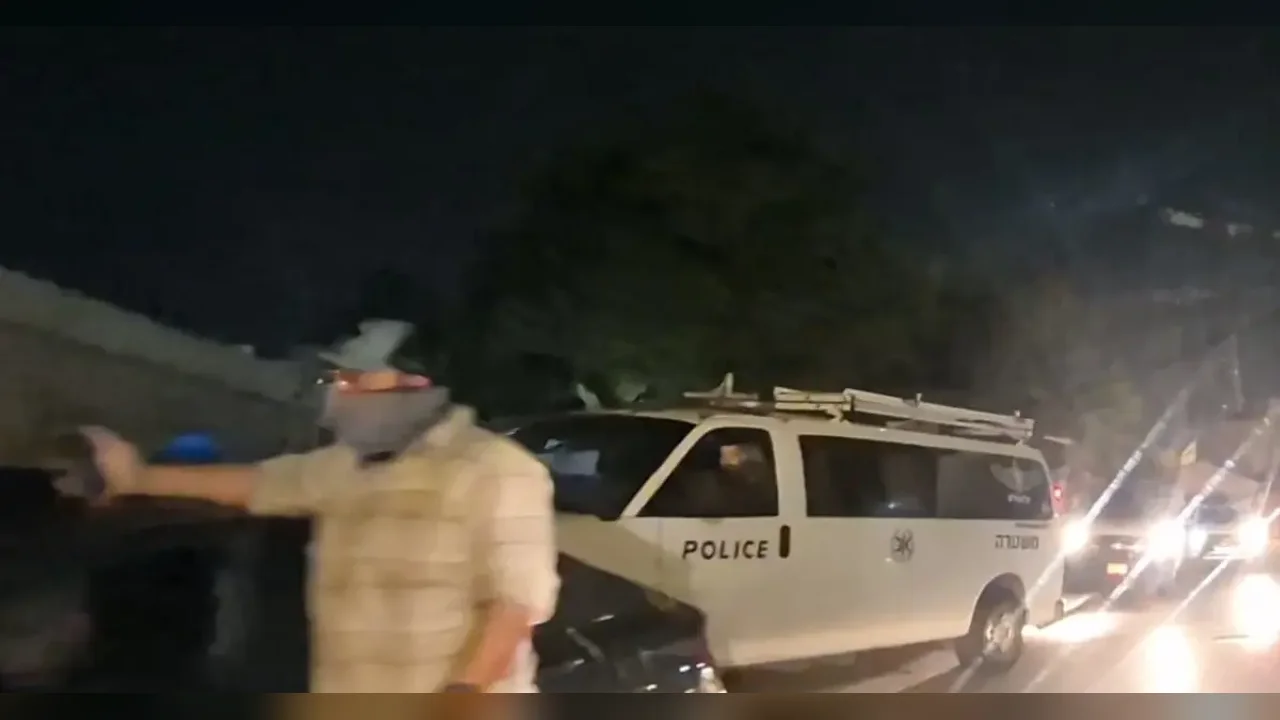
Security operations extend into local population centers such as Shebaa and Kafr Shuba, where Sunni proxy groups known as the Lebanese Brigades operate under Hezbollah direction. On November 16, 2026, battalion forces conducted a pre-dawn raid in Shebaa, arresting two brothers affiliated with the proxy network. Despite the immense personal and professional toll of completing seven operational rotations, the reservists remain steadfast in their mission to secure Israel's northern frontier.