Samsung Galaxy Tab S12 Ultra Review: Premium Power and Big Compromises
Samsung’s Galaxy Tab S12 Ultra combines a massive 14.6-inch display and powerful performance with high pricing, sparking the debate over laptop replacement.
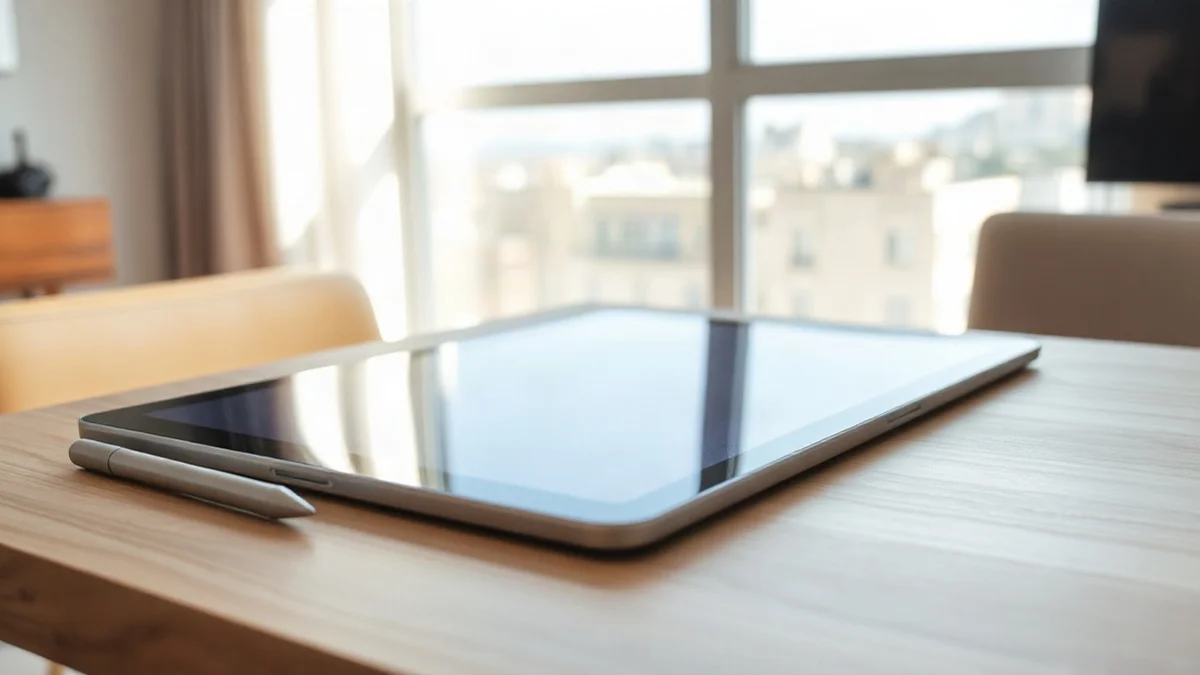
Samsung’s latest flagship tablet, the Galaxy Tab S12 Ultra, enters the market with massive proportions and high expectations. Aiming to bridge the gap between portable devices and traditional laptops, the device offers top-tier hardware accompanied by a hefty price tag.
Under the hood, the Galaxy Tab S12 Ultra is powered by a MediaTek Dimensity 9500 processor, paired with 12GB of RAM and 256GB of internal storage. While performance is smooth and responsive for daily multitasking, the lack of expandable storage options is a notable drawback for professional users handling heavy workloads. The device runs on Samsung’s signature DeX mode, which transforms the interface into a desktop-like environment with taskbars and floating windows, standing out as one of the tablet’s strongest productivity features.
Display, Design and Accessories
The standout feature of the device is its massive 14.6-inch Dynamic AMOLED 2X display, boasting a 120Hz dynamic refresh rate and peak brightness of 1,600 nits. Encased in a sturdy 5.1 mm thin aluminum frame weighing 692 grams, the device delivers a premium feel, though its sheer size makes it heavy for prolonged single-handed use.
Accessories present a mixed experience. The S-Pen stylus remains a welcome, highly functional tool that requires no charging. However, the Book Cover Keyboard Slim requires an additional investment of several hundred shekels and features wide key spacing that demands a lengthy adjustment period for fast typists.
Connectivity, Battery and Pricing
Practicality takes a hit in connectivity, featuring only a single USB-C port without HDMI outputs or card readers, forcing users to rely on external adapters. Meanwhile, the 11,600 mAh battery delivers an impressive full day of intensive use, taking nearly two hours to fully recharge.
Pricing in Israel starts at around 4,200 shekels for the base model, positioning it directly against competitors like Apple’s iPad Pro. While Apple offers its proprietary M5 chip, Samsung counters with a larger screen real estate, leaving consumers to weigh whether such high-end tablets truly justify bypassing a traditional laptop.