Former President Reuven Rivlin Apologizes to Arrested Ra'am Activist
Former Israeli President Reuven Rivlin apologized to a Ra'am activist detained on election morning as major bribery suspicions in the case collapsed.

Former Israeli President Reuven Rivlin reached out by phone to an activist from the Ra'am party who was detained on election morning, offering a personal apology over the controversial arrests. The gesture follows the collapsing core suspicion in an election-day investigation that sparked widespread political uproar.
According to media reports, Rivlin told the activist during their unexpected conversation: "I was deeply offended on behalf of our State of Israel, which is losing its way. I apologize on my own behalf and on behalf of everyone I know in this country for what was done to you." The former president's outreach underscores growing public debate surrounding the high-profile police operation.
Background of the Investigation
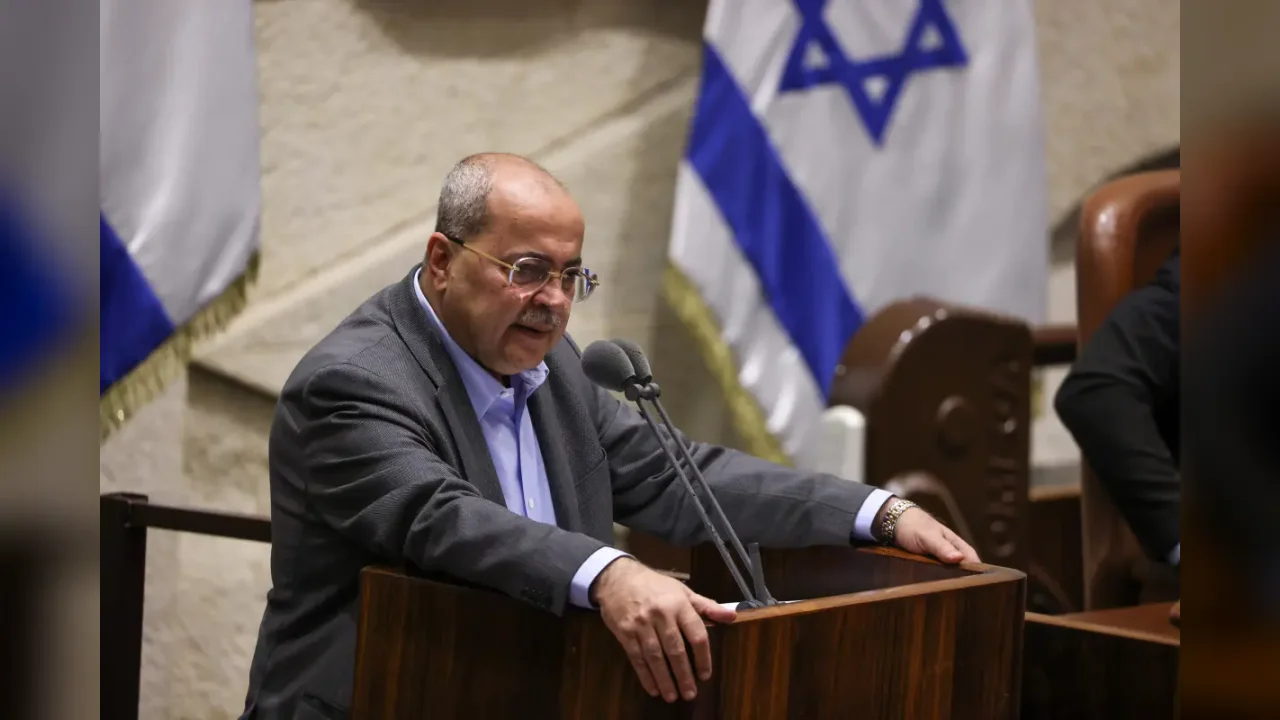
On the morning voting stations opened, police raided the homes of three Ra'am-affiliated activists in the Negev, including a physician and school principals, alleging that envelopes containing cash intended for election bribery had been seized. While Likud politicians immediately framed the arrests as evidence of stolen elections, the detainees have since been released after authorities determined that the evidentiary foundation for election financing or security offenses was lacking.
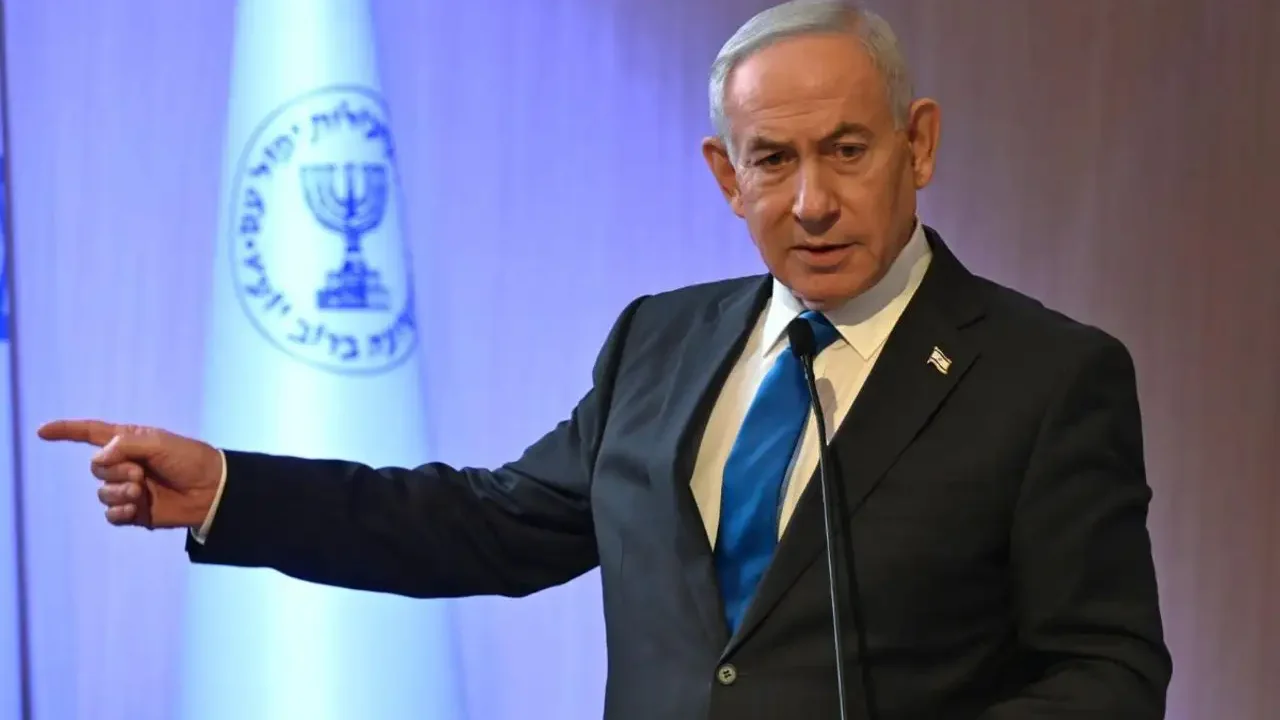
Upon receiving the initial intelligence, Shin Bet / Shabak Director David Zini treated the suspicions with utmost seriousness, ordering a comprehensive investigation to rule out foreign interference or subversive threats against the democratic process. However, following a rigorous review of the evidence, Zini and Central Election Committee Chairman Justice Noam Sohlberg issued a joint assessment stating that at this stage, no evidence indicates voter bribery on a scale capable of swaying election outcomes.
Rivlin's Political Legacy
Reuven Rivlin served as the tenth president of Israel from 2014 to 2021. He began his political career with Likud, entering the 12th Knesset in 1988, and later served as speaker of the Knesset across two separate terms as well as minister of communications. Before entering national politics, he worked as an attorney, served on the Jerusalem city council, and chaired the Beitar Jerusalem football club.